FDA Outlines Key Priorities to Enhance Food Safety and Regulatory Oversight

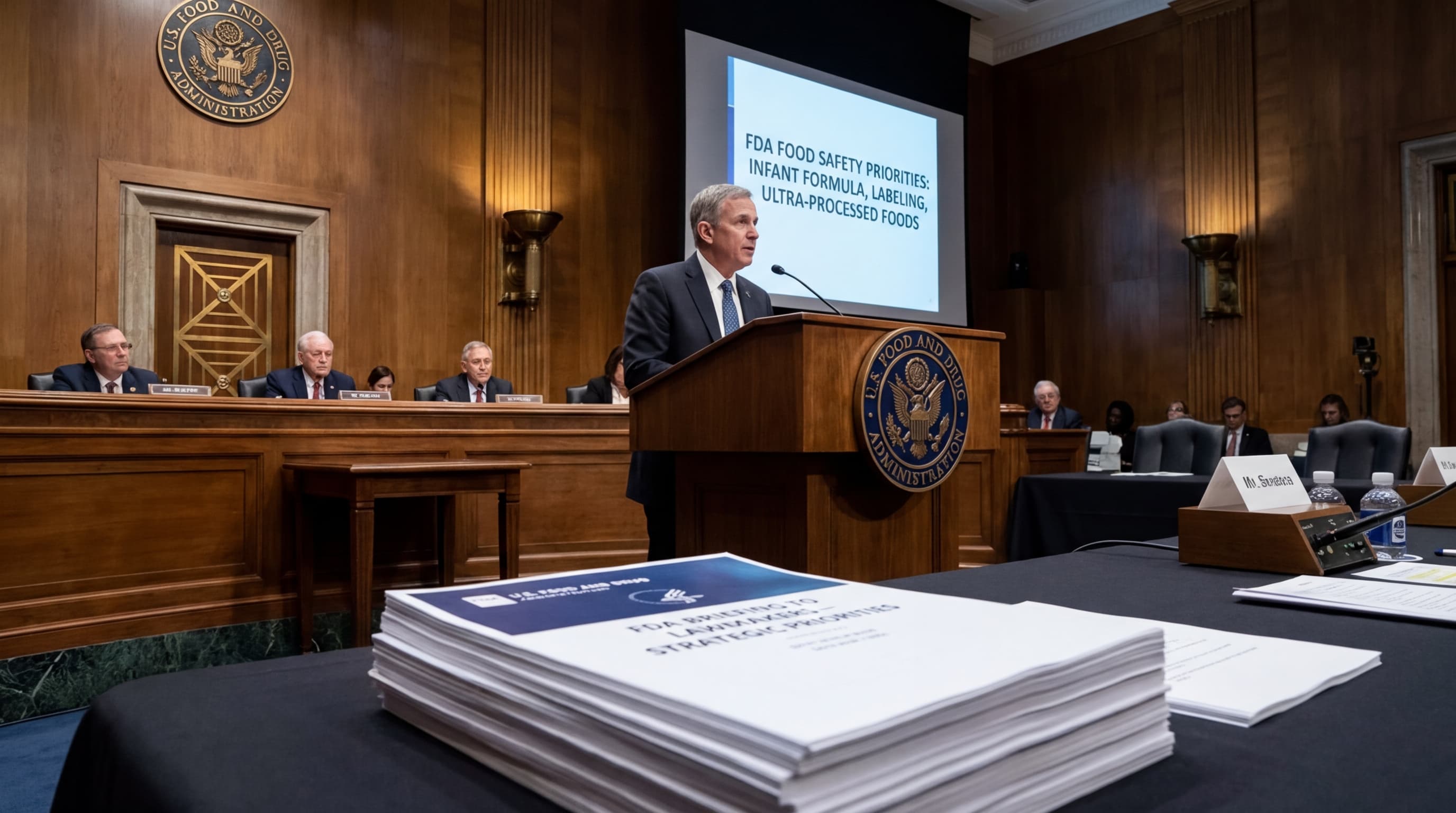
The U.S. Food and Drug Administration has presented its current focal points to legislators, underscoring critical food safety issues and regulatory advances aimed at protecting public health. Key initiatives include enhanced oversight of infant formula, modernized labeling requirements, and stronger measures targeting processed food classifications.
In a comprehensive briefing to lawmakers, leaders of the U.S. Food and Drug Administration (FDA) have articulated a clear set of priorities meant to strengthen food safety across the nation. This briefing comes at a time when consumer concerns about nutrition, food processing methods, and infant safety continue to shape policy discourse. The FDA's focus spans several critical areas, ranging from infant formula safety to updating food labeling standards and defining ultraprocessed food categories with greater precision.
Infant formula safety remains a paramount concern, given its significance to the health and well-being of the youngest and most vulnerable population segment. Ensuring the production and distribution of infant formula is free from contamination and meets strict nutritional standards is vital, especially in the wake of recent supply chain disruptions and safety incidents that have heightened the urgency around infant nutrition oversight.
Alongside infant formula, the FDA is prioritizing efforts to update food labeling requirements. Updated labels aim to provide consumers with clearer, more accessible nutritional information so they can make informed dietary choices. This includes refining the representation of ingredients, nutritional content, and potential allergens in response to evolving scientific evidence and consumer expectations.
Another key area highlighted in the FDA briefing involves the definition and regulatory approach towards ultraprocessed foods. These foods often contain additives and processing methods linked to adverse health outcomes. The FDA aims to establish better frameworks to define these food categories, which will support more effective regulation and public health messaging.
Complementing these efforts is the FDA's plan to expand inspections of food processing plants. Ensuring compliance with safety standards through rigorous inspections is a cornerstone in preventing contamination and ensuring public trust in the food supply. Increasing the frequency and scope of plant inspections will help detect potential risks early and enforce corrective measures.
Collectively, these priorities represent a strategic push by the FDA to adapt to modern food production challenges and safeguard consumer health by emphasizing transparency, safety, and scientific rigor.
This briefing underscores the FDA’s role not only as a regulatory body but as a proactive institution shaping food safety standards in response to emerging public health needs.
Further developments are expected as these initiatives progress through legislative and regulatory channels, potentially influencing food safety policies and industry practices on a broad scale. For more detailed insights, refer directly to the FDA's briefing as reported by Stat News.
Join the BioIntel newsletter
Get curated biotech intelligence across AI, industry, innovation, investment, medtech, and policy delivered to your inbox.