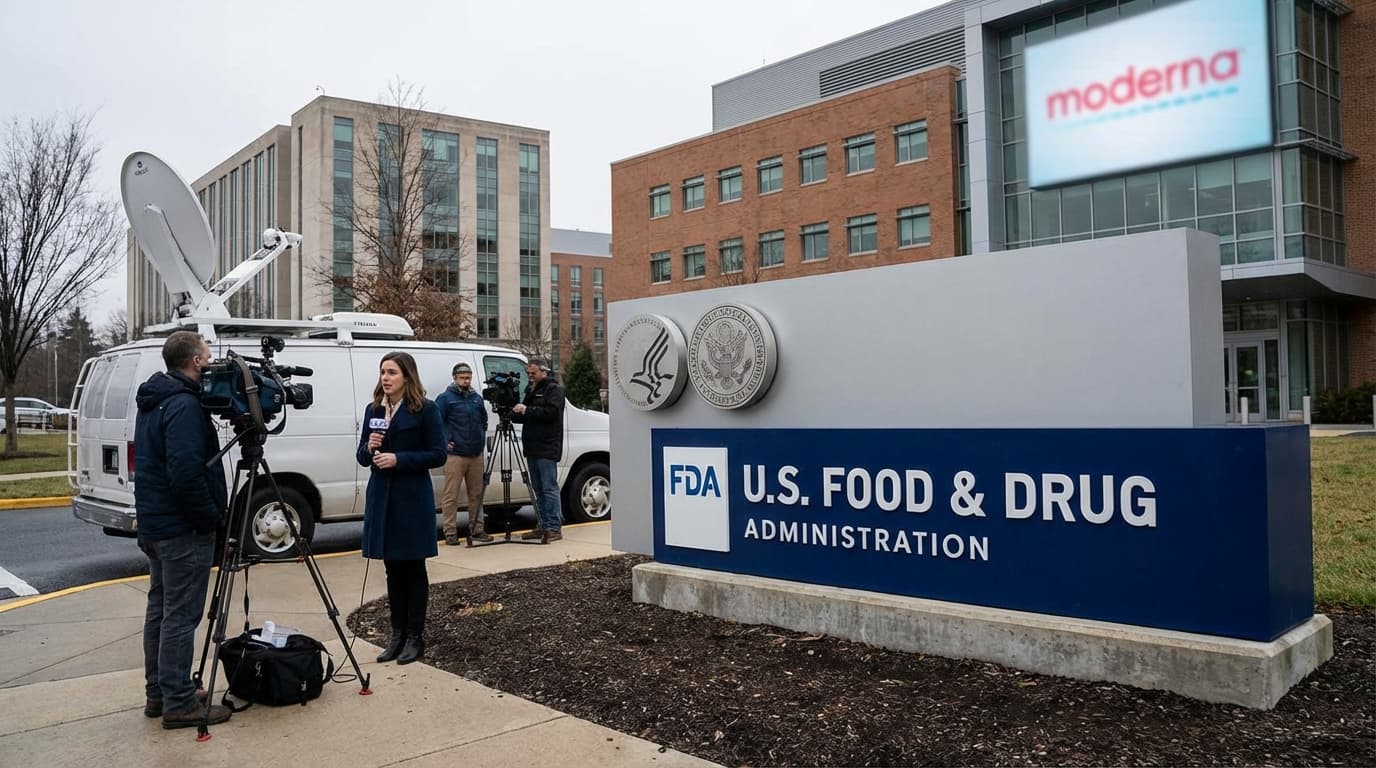
FDA Refuses to Review Moderna’s Influenza Vaccine Application, Raising Industry Concerns

The refusal by the Food and Drug Administration to review Moderna's influenza vaccine application marks a significant regulatory event. This decision has generated discussion among industry stakeholders about the future direction and posture of the FDA toward vaccines and pharmaceutical approvals generally.
Overview of the FDA's Decision on Moderna's Vaccine
In a recent and somewhat unexpected move, the U.S. Food and Drug Administration (FDA) has refused to review the application for Moderna's influenza vaccine. This decision carries considerable implications not just for Moderna but also for the broader pharmaceutical industry, regulatory frameworks, and the ongoing efforts to optimize vaccine development and approval processes.
Context and Background
Moderna has been a prominent player in vaccine innovation, particularly noted for its mRNA technology, which rose to prominence with its COVID-19 vaccine. The development of a flu vaccine utilizing similar mRNA technology represented a promising frontier given the annual burden of influenza worldwide.
However, the FDA's refusal to even review the application introduces uncertainty and prompts analysis about the agency's regulatory priorities at a time when vaccine innovation is critically needed.
Implications of FDA's Stance
Impact on Vaccine Development Pipeline
By declining to review Moderna's application, the FDA is signaling a stringent or potentially cautious approach toward new vaccine candidates. This could slow down the introduction of innovative vaccines to the market, which might affect public health strategies designed to combat seasonal influenza more effectively.
Industry and Market Reactions
Pharmaceutical companies and biotech stakeholders closely watch regulatory decisions. Such refusals may influence investment decisions, research focus areas, and strategic planning within the industry. There could be a ripple effect in terms of investor confidence and competitive positioning.
Broader Regulatory Environment
This episode fits into a pattern of evolving regulatory dynamics where agencies balance expedited approvals with safety and efficacy standards. The FDA's choice raises questions about how balanced this approach is currently and what could be the underlying criteria guiding such a refusal.
What This Means for Moderna
Moderna will need to reassess its regulatory strategy for this influenza vaccine candidate. Alternate approaches might include additional data generation, engagement with regulatory bodies for clarity, or potentially modifying the clinical trial design.
The company’s reaction and path forward will be critical in understanding how biotech firms can navigate such regulatory hurdles in the future.
Conclusion
The FDA’s refusal to review Moderna’s influenza vaccine application is a pivotal moment in the vaccine development and regulatory landscape. It underlines the ongoing challenges between innovation and regulatory oversight. Stakeholders across the board—from developers to policymakers to public health officials—will closely monitor subsequent developments as they seek to balance the urgent need for innovative vaccines with rigorous safety standards.
Source: STAT News
Join the BioIntel newsletter
Get curated biotech intelligence across AI, industry, innovation, investment, medtech, and policy delivered to your inbox.