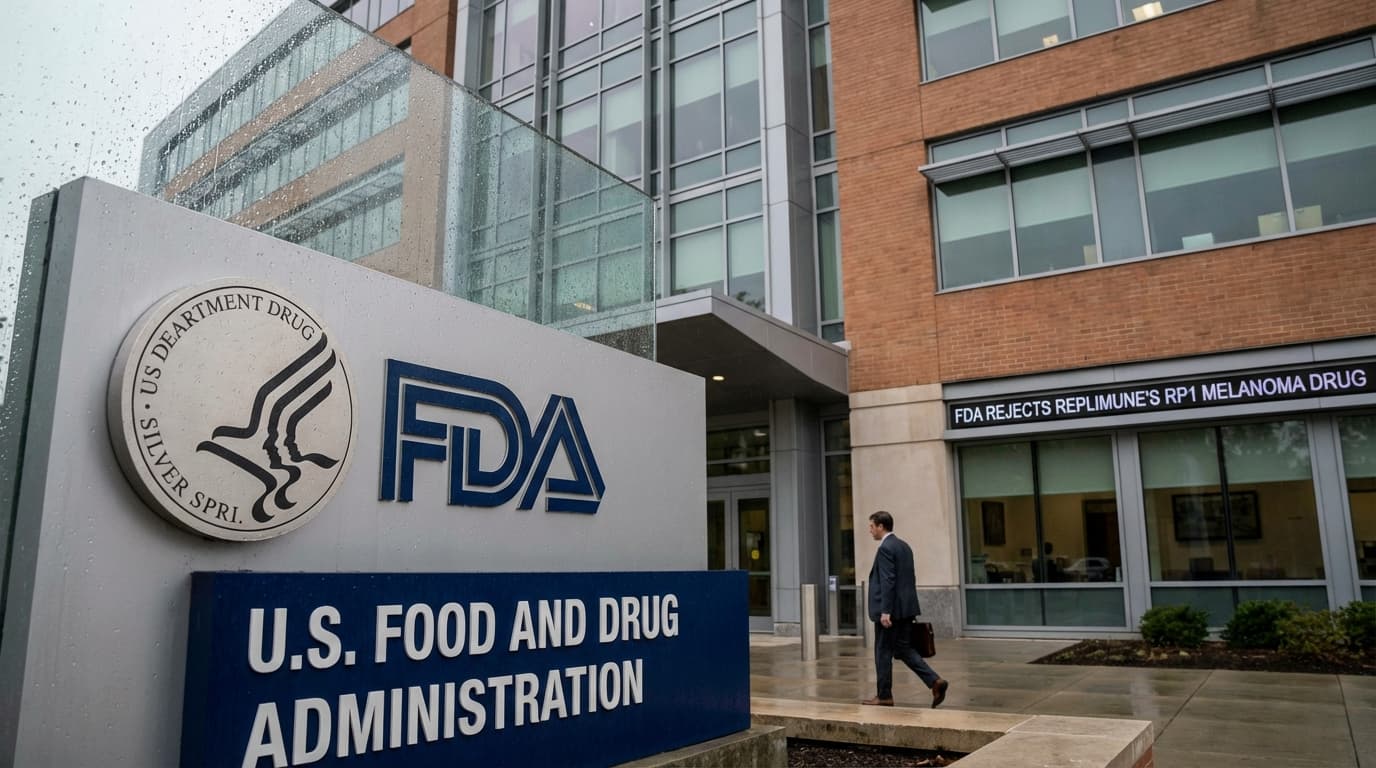
FDA Rejects Replimune’s Advanced Melanoma Drug RP1 for a Second Time, Maintaining Concerns Over Single-Arm Trial Design

Replimune's RP1, an advanced melanoma therapeutic candidate, faces a significant regulatory setback as the FDA reiterates its objection to the clinical trial methodology. This decision highlights ongoing challenges in gaining approval for innovative oncology treatments through non-randomized trials.
Introduction
The pursuit of effective treatments for advanced melanoma continues to confront complex challenges, both scientific and regulatory. One such challenge has surfaced anew with the recent decision by the U.S. Food and Drug Administration (FDA) to reject the application submitted by Replimune for RP1, its novel drug candidate. This marks the second time the FDA has rebuffed this application, emphasizing significant concerns about the evidentiary basis underpinning the approval request.
Background on RP1 and Replimune
Replimune, a biotechnology company specializing in oncolytic immunotherapies, developed RP1 as a candidate treatment for advanced melanoma. The company’s approach has centered on leveraging RP1's ability to selectively infect and lyse tumor cells and stimulate immune responses against cancer. This dual mechanism purportedly offers a robust therapeutic avenue for patients with melanoma, a form of skin cancer known for its aggressiveness and increasing incidence globally.
The FDA’s Concerns: Single-Arm Trial Limitations
The FDA’s decision, communicated through a complete response letter, reiterated its original apprehensions regarding the single-arm trial design employed by Replimune in supporting RP1’s marketing application. Single-arm trials, which lack a comparator or control group, pose particular difficulties in regulatory assessment due to inherent limitations in demonstrating efficacy conclusively. These trials rely heavily on historical control data or surrogate endpoints, which may not adequately capture the drug’s actual clinical benefit or potential risks.
Implications of Trial Design on Regulatory Decisions
The regulatory requirement for randomized controlled trials (RCTs) in oncology drug approvals stems from the necessity to establish a clear causative relationship between the drug and observed therapeutic outcomes. While RCTs are often the gold standard, they require significant time and resources. Conversely, single-arm studies can accelerate development timelines but require cautious interpretation. The FDA's insistence on robust RCT data for RP1 underscores the critical balance regulators maintain between expedited access to promising therapies and the mandate to ensure safety and efficacy.
Replimune’s Position and Future Prospects
Replimune's development strategy for RP1 has been closely watched, particularly as the drug has become a flashpoint in discussions around regulatory flexibility and innovation in clinical trial design. The company faces the challenging decision of whether to conduct additional randomized studies or seek alternative regulatory pathways. Future success may depend on generating more comprehensive clinical data that satisfy the FDA's evidentiary standards.
Broader Impact on Oncology Drug Development
This regulatory episode exemplifies broader dilemmas in oncology drug development where novel therapies often challenge existing frameworks of clinical evaluation. Stakeholders, including drug developers, regulators, clinicians, and patients, continue to debate how best to integrate innovation while safeguarding public health. The RP1 case may influence ongoing discourse about adaptive trial designs, real-world evidence utilization, and risk-benefit assessment standards.
Conclusion
The FDA's second rejection of Replimune’s melanoma drug RP1 due to trial design concerns highlights persistent hurdles in the approval process for novel oncology therapeutics. This decision brings into focus the critical importance of clinical trial rigor in regulatory review and reflects ongoing tensions between innovation-driven drug development and regulatory oversight mandates.
References
This analytical overview aims to provide a balanced and comprehensive understanding of the recent FDA decision impacting Replimune and its RP1 therapeutic within the melanoma treatment landscape.
Join the BioIntel newsletter
Get curated biotech intelligence across AI, industry, innovation, investment, medtech, and policy delivered to your inbox.