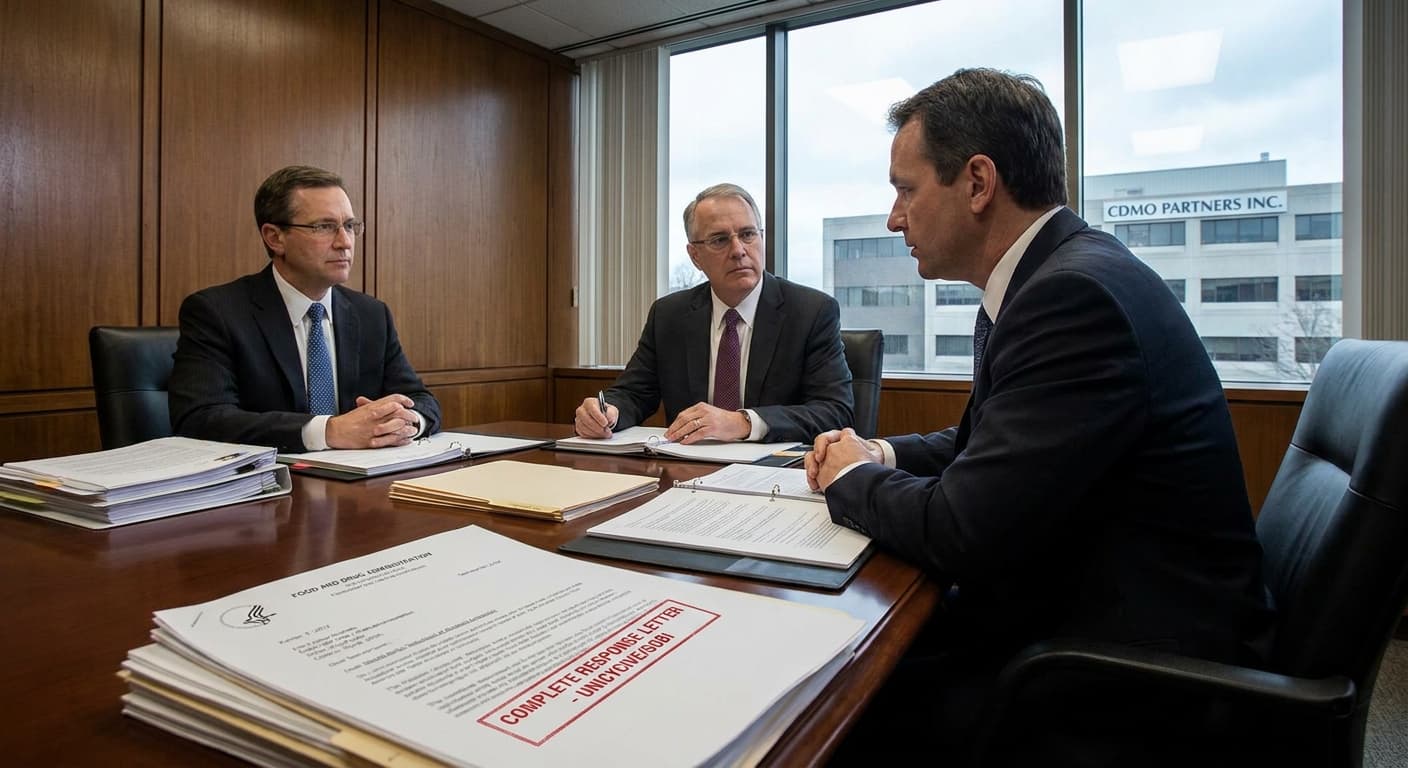
FDA Rejects Unicycive and Sobi Filings Over Contract Manufacturing Deficiencies

In a significant move, the FDA has rejected filings from Unicycive Therapeutics and Sobi due to shortcomings found within their contract manufacturing partners. This decision highlights the ongoing challenges and regulatory scrutiny that biopharma companies face around outsourced production, especially as the demand for novel therapies in chronic disease areas continues to rise.
The U.S. Food and Drug Administration (FDA) issued complete response letters (CRLs) to Unicycive Therapeutics and Sobi, both involved in the development of therapeutics for kidney disease and gout, respectively. The agency cited contract manufacturing deficiencies as the primary reason for these regulatory actions—a development that underscores both the complexities of pharmaceutical production and the high bar for safety and consistency in today’s biopharmaceutical supply chains.
The Decisions: Background and Context
Over the past several years, the FDA has been intensifying its focus on the quality of pharmaceutical manufacturing. Complete response letters are formal notifications sent by the agency indicating that an application cannot be approved in its present form, often pinpointing specific shortcomings that must be resolved before resubmission is possible. In this case, Unicycive and Sobi were flagged for issues attributed to their manufacturing partners rather than product-specific concerns with the drug candidates themselves.
Why Manufacturing Scrutiny Is So High
Pharmaceutical companies increasingly rely on outsourced contract development and manufacturing organizations (CDMOs) to handle much of their production, quality assurance, and scale-up activities. This reliance, while driving efficiency and specialization, introduces additional regulatory and operational challenges. The FDA’s oversight now routinely extends to third-party facilities, regardless of geographic location, as the agency seeks to safeguard product quality and protect patient health.
For both Unicycive Therapeutics, which focuses on kidney disease, and Sobi, known for its work with gout, these setbacks represent more than just regulatory obstacles—they are setbacks for patients who may desperately need innovative treatment options. Yet, such regulatory action is not uncommon: the FDA’s robust inspection regime frequently uncovers gaps in documentation, cleanliness, process control, or even data integrity at manufacturing sites that could compromise the safety or efficacy of a finished drug.
Contract Manufacturing: The Double-Edged Sword
The practice of outsourcing manufacturing has become standard across the pharmaceutical industry. For smaller biopharmaceutical firms, it offers rapid access to established facilities and technical expertise, thereby avoiding the capital-intensive process of building and validating their own plants. However, the price of such flexibility is rigorous oversight, as any lapse in compliance—whether by the primary sponsor or its chosen CDMO—can result in costly delays, lost market opportunities, and harm to reputation.
Case Studies: Manufacturing-Triggered CRLs
Historically, similar regulatory outcomes have occurred across the industry. In dozens of recent cases, the FDA has delayed or rejected filings for new molecular entities, biosimilars, or generics primarily because of manufacturing observations. These may range from relatively correctable issues, such as incomplete batch records or flawed validation protocols, to more serious concerns like microbial contamination or uncorrected process deviations.
For Unicycive and Sobi, the CRLs suggest that the deficiencies noted by FDA investigators are substantial enough to prevent these companies’ drug candidates from reaching the market until credible remediation plans are presented and then verified by further inspection or documentation.
Impact On Patients and Stakeholders
The immediate ramifications extend well beyond these two companies. Patients awaiting new treatments for chronic kidney disease or recurrent gout may now face months—or even years—of delay before these therapies are available, if at all. Investors and strategic partners, for their part, must grapple with heightened risk and the possibility of further regulatory setbacks arising from manufacturing partners they may have limited ability to influence directly.
Regulatory Path Forward: What It Takes to Remediate
Roadmaps for resolving such CRLs typically involve several key steps:
-
Root Cause Analysis: Sponsors and their manufacturing partners must conduct detailed investigations to determine exactly why and how deficiencies occurred. Whether related to process, personnel, infrastructure, or documentation lapses, these root causes must be documented and submitted to the FDA.
-
Implementation of Corrective Actions: Remediation plans often demand retraining staff, updating standard operating procedures, investing in new equipment, or tightening data controls.
-
Follow-Up Inspections: The FDA may request re-inspection, or at times allow for paper-based evidence of corrective actions depending on the severity and nature of the deficiency.
-
Resubmission Timeline: Only after verifiable correction of the flagged issues can the original new drug application (NDA) or biologics license application (BLA) be resubmitted—potentially incurring further delays.
Broader Industry Implications
The Unicycive and Sobi CRLs serve as reminders that regulatory risk is not confined to product development or clinical trials alone. As CDMO relationships proliferate, companies must exercise vigorous due diligence and ongoing monitoring—not only to meet regulatory standards but to anticipate and pre-empt potential quality lapses. Moreover, strategic decisions around site selection, quality agreements, and operational transparency are coming into sharper focus as the FDA steps up international inspections, increases the stringency of enforcement actions, and pushes for more robust supply chain resilience.
Contract Manufacturing in a Post-Pandemic World
The COVID-19 pandemic accelerated the need for reliable, flexible, and geographically diversified contract manufacturing. As the FDA continues to enhance its surveillance—utilizing both remote and in-person inspections—stakeholders are recalibrating risk models, rethinking contracting terms, and investing in technology to ensure traceability and accountability from molecule discovery through finished product delivery.
Looking Ahead: Strategic Priorities for Biopharma Developers
To avoid similar setbacks, biopharma companies must prioritize the following:
- Strengthening Quality Management: Build harmonized quality systems that link sponsor oversight with contract manufacturer compliance.
- Increased Communication: Establish clear, regular communication between the sponsor and CDMO operational teams so that potential compliance gaps are flagged and resolved early.
- Proactive FDA Engagement: Leverage pre-submission meetings and seek agency input before finalizing supply chain strategies for critical or high-risk products.
Conclusion
The FDA’s recent complete response letters to Unicycive Therapeutics and Sobi shine a spotlight on the critical importance of manufacturing quality in the successful commercialization of new therapies. As the agency continues to enforce high standards amid an evolving regulatory landscape, companies of all sizes must recognize that their own regulatory destinies are deeply intertwined with those of their contracted partners. The ultimate cost of lapses may not be measured just in market share or investor confidence, but in the real-world impact on patients who depend on timely access to novel treatments.
Join the BioIntel newsletter
Get curated biotech intelligence across AI, industry, innovation, investment, medtech, and policy delivered to your inbox.