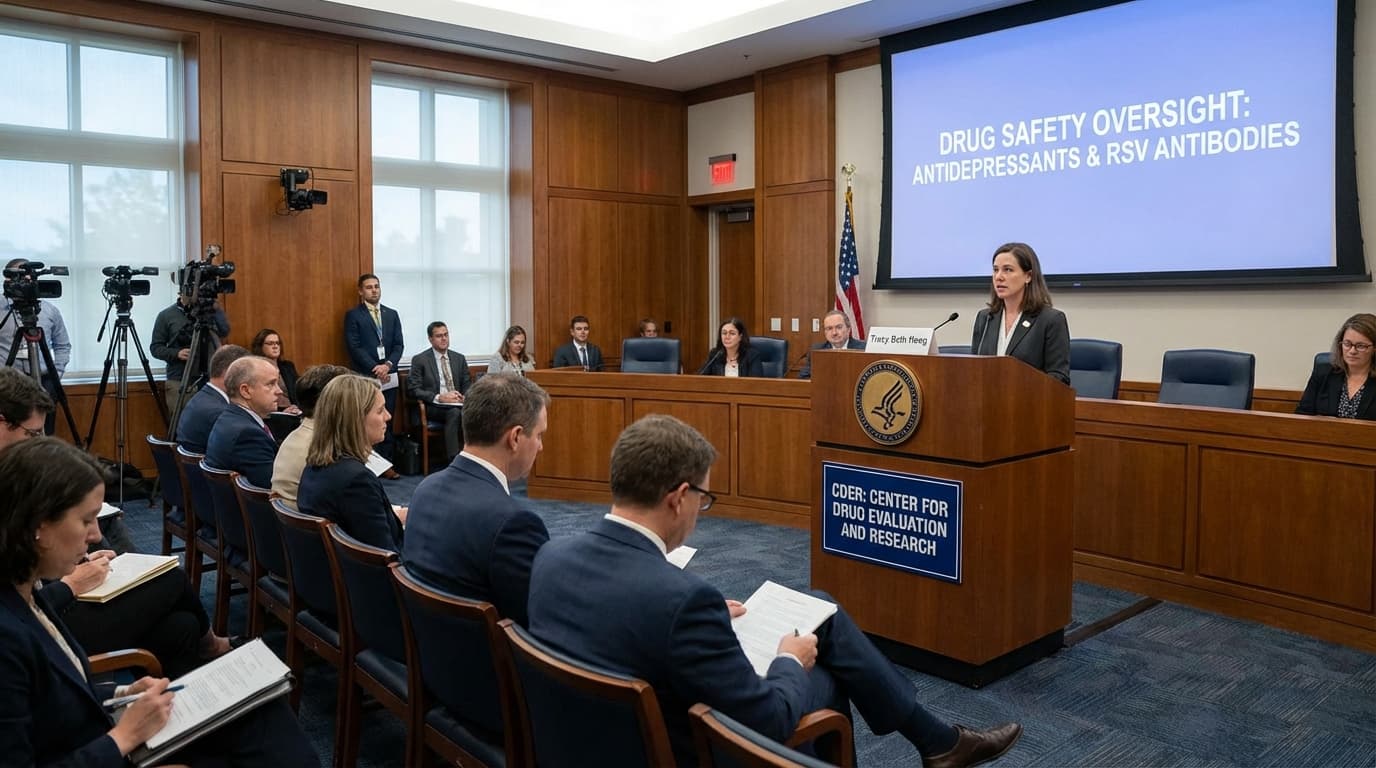
FDA’s New Drug Regulator Tracy Beth Høeg Launches Safety Probes into Antidepressants and RSV Antibodies

The FDA’s Center for Drug Evaluation and Research (CDER) has entered a phase of enhanced scrutiny with Tracy Beth Høeg at its helm. Her inaugural address to FDA staffers outlined forthcoming investigations into the safety profiles of selective serotonin reuptake inhibitors (SSRIs) taken during pregnancy and the use of RSV antibodies in infant populations. This blog unpacks her regulatory approach, the context of these medications, and the broader implications for pharmaceutical oversight.
Introduction
In February 2026, the Food and Drug Administration (FDA) welcomed Tracy Beth Høeg as the new chief of the Center for Drug Evaluation and Research (CDER), marking a significant leadership transition within one of the agency’s most critical divisions.
Her early tenure has been defined by a commitment to intensify safety evaluations on key therapeutic areas of public concern—specifically, the use of antidepressants in pregnancy and RSV monoclonal antibody treatments administered to infants.
This blog provides an in-depth analysis of these new inquiries, their scientific and regulatory background, and what they might mean for drug developers, healthcare practitioners, and patients.
FDA and CDER: Roles and Responsibilities
CDER serves as the division of the FDA responsible for regulating over-the-counter and prescription drugs in the United States. Its work ensures that medications are safe, effective, and accessible. Leadership changes in CDER often signal potential shifts or heightened focus areas in regulatory priorities.
Tracy Beth Høeg’s Entry and Regulatory Agenda
As the fifth CDER chief under the current presidential administration, Høeg's first public address to FDA staff signaled a proactive stance on patient safety:
-
SSRIs in Pregnancy: Høeg announced plans to investigate the safety of selective serotonin reuptake inhibitors—commonly prescribed antidepressants—when used during pregnancy. Despite prior evidence supporting safety, ongoing questions about risks to fetal development and maternal health necessitate fresh scrutiny.
-
RSV Antibody Treatments: Another focus is on monoclonal antibodies targeting respiratory syncytial virus (RSV) infections in infants. These treatments, while documented safe in prior studies, are under renewed examination to ensure no emerging safety concerns.
Scientific Background
SSRIs in Pregnancy
Selective serotonin reuptake inhibitors are widely prescribed to treat depression and anxiety. Their use during pregnancy has been studied extensively, with mixed results pertaining to developmental outcomes. Some studies indicate possible associations with birth complications or neurodevelopmental conditions, necessitating careful balancing of maternal mental health needs against potential risks.
RSV Antibodies
Respiratory Syncytial Virus represents a serious threat to infants and young children, often leading to hospitalization. Monoclonal antibody therapies have been a cornerstone intervention to prevent severe RSV disease. However, as with any biologic, continued surveillance is essential to monitor long-term safety.
Regulatory Implications
The initiation of these inquiries reflects the FDA’s evolving approach to pharmacovigilance. It underscores the importance of revisiting existing safety data in light of new scientific methods or emerging reports.
- For Drug Developers: Heightened scrutiny could impact clinical trial designs and post-market surveillance requirements.
- For Healthcare Providers: Updated safety information may influence prescribing decisions and patient counseling.
- For Patients: Such investigations aim to reinforce confidence in drug safety through transparent regulatory review.
Challenges and Considerations
Pursuing safety investigations on established medications and treatments must be balanced against the risk of generating uncertainty that could deter appropriate use. Effective communication strategies by the FDA are vital to maintain public trust.
Conclusion
The FDA's renewed focus under Tracy Beth Høeg on scrutinizing SSRIs in pregnancy and RSV antibody safety signals a commitment to rigorous, evidence-based drug regulation. This approach reflects broader regulatory trends emphasizing post-market surveillance and adaptive use of scientific data to ensure patient safety.
As these inquiries proceed, stakeholders across the healthcare and pharmaceutical industries will be closely monitoring developments for guidance and implications on practice and innovation.
This review synthesizes information from the original February 2026 news article at BioSpace, capturing key regulatory developments.
Join the BioIntel newsletter
Get curated biotech intelligence across AI, industry, innovation, investment, medtech, and policy delivered to your inbox.