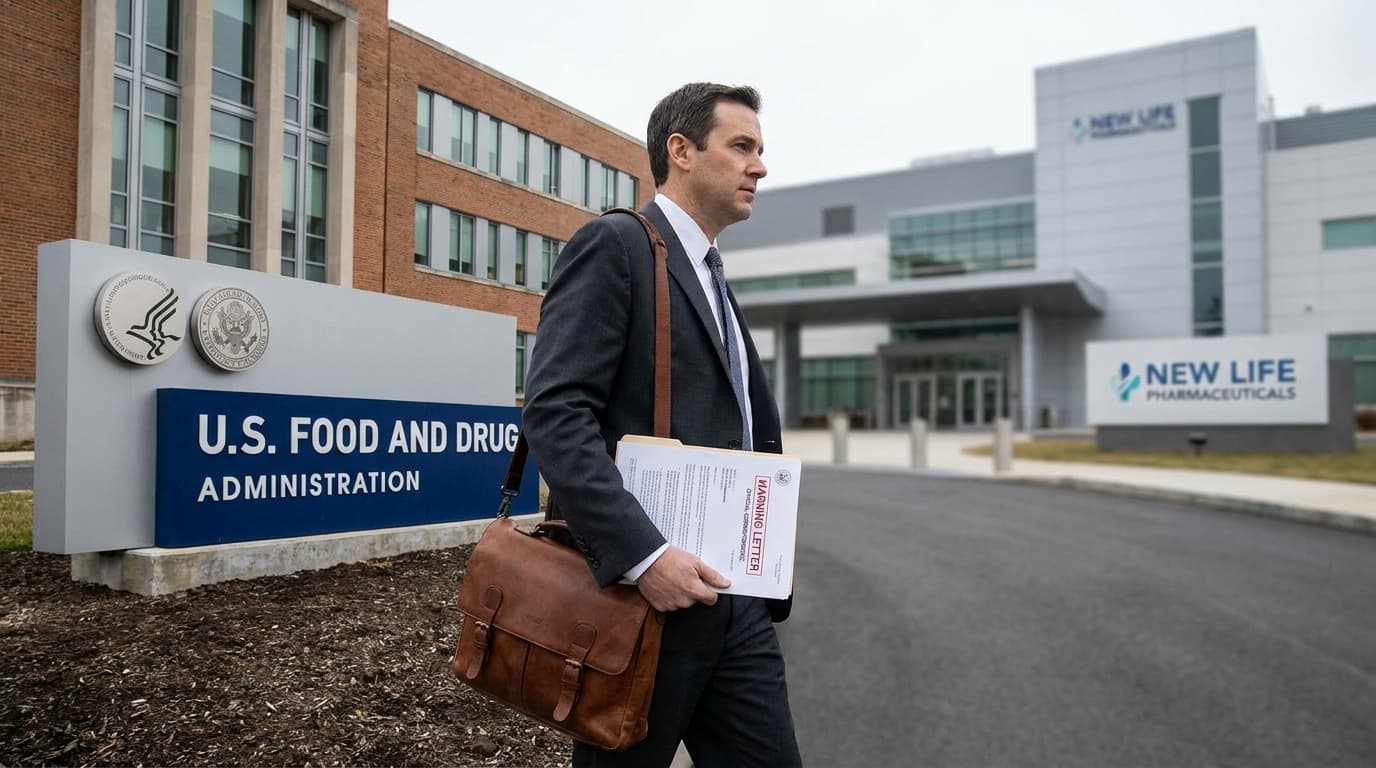
FDA Warning Letter Highlights Regulatory Challenges in GLP-1 Drug Manufacturing

The regulatory landscape for pharmaceutical manufacturing is continually evolving, with the FDA maintaining rigorous standards to ensure drug safety and efficacy. Recent events involving a GLP-1 receptor agonist manufacturer refusing FDA inspection access have cast light on the complexities and challenges regulators face in enforcing compliance. This article explores the implications of such regulatory confrontations, the manufacturer’s stance, and the broader context of FDA oversight.
Background on GLP-1 Drugs and their Manufacturing
Glucagon-like peptide-1 (GLP-1) receptor agonists, such as semaglutide and tirzepatide, have become pivotal treatments for metabolic conditions including type 2 diabetes and obesity. Due to their clinical importance and growing demand, the manufacturing processes of these drugs are under stringent regulatory scrutiny to ensure quality, reproducibility, and safety.
FDA’s Role in Oversight and Inspections
The U.S. Food and Drug Administration (FDA) is charged with protecting public health by ensuring that drugs marketed in the country are safe and effective. As part of this mandate, the FDA conducts routine and for-cause inspections of manufacturing facilities to verify compliance with Good Manufacturing Practices (GMP).
Incident Overview: Warning Letter Issued
According to recent reports, the FDA issued a warning letter to New Life Pharmaceuticals after inspectors were denied access to certain sections of their manufacturing facility where GLP-1 receptor agonists are produced. The company informed investigators that they lacked the authority to enter these areas.
Significance of Denying Access
Denying FDA inspectors access to any part of a regulated facility constitutes a serious compliance issue. Such actions can trigger extensive investigations, lead to enforcement actions, or delay drug approvals and supply chains. It also raises concerns about transparency and adherence to regulatory standards.
Regulatory and Legal Considerations
Manufacturers’ Rights vs. FDA Authority
While companies have rights to protect proprietary information, the FDA’s authority to inspect facilities where regulated products are made is well-established under federal law. Balancing intellectual property and trade secret protections with regulatory oversight demands continuous dialogue and legal clarity.
Impact on Market and Patient Safety
Disruptions or delays in manufacturing inspections can affect drug availability. For GLP-1 drugs, which address significant public health needs, ensuring uninterrupted production and distribution is critical.
Broader Context in Pharmaceutical Regulation
This incident reflects wider challenges in the pharmaceutical industry where regulatory agencies seek to enforce compliance amid increasingly complex manufacturing networks and innovation-driven secrecy. It also highlights the evolving dynamics between regulators and manufacturers in upholding drug quality and public trust.
Possible Outcomes and Industry Implications
FDA’s warning letters serve as formal notifications to companies about violations needing correction. Compliance responses, potential re-inspections, or even penalties may follow. The pharmaceutical sector closely monitors such developments as indicators of regulatory rigor and operational risks.
Conclusion
The FDA’s warning letter to New Life Pharmaceuticals underscores the crucial interface between regulatory oversight and industry practices. Ensuring cooperative inspections and adherence to regulatory frameworks remains essential for maintaining drug safety, efficacy, and public confidence. The ongoing dialogue around inspection authority and manufacturer compliance will shape regulatory policies and industry standards moving forward.
This article is based on recent developments reported by BioSpace.
Source: FDA issues warning letter after GLP-1 manufacturer refuses inspectors access
Join the BioIntel newsletter
Get curated biotech intelligence across AI, industry, innovation, investment, medtech, and policy delivered to your inbox.