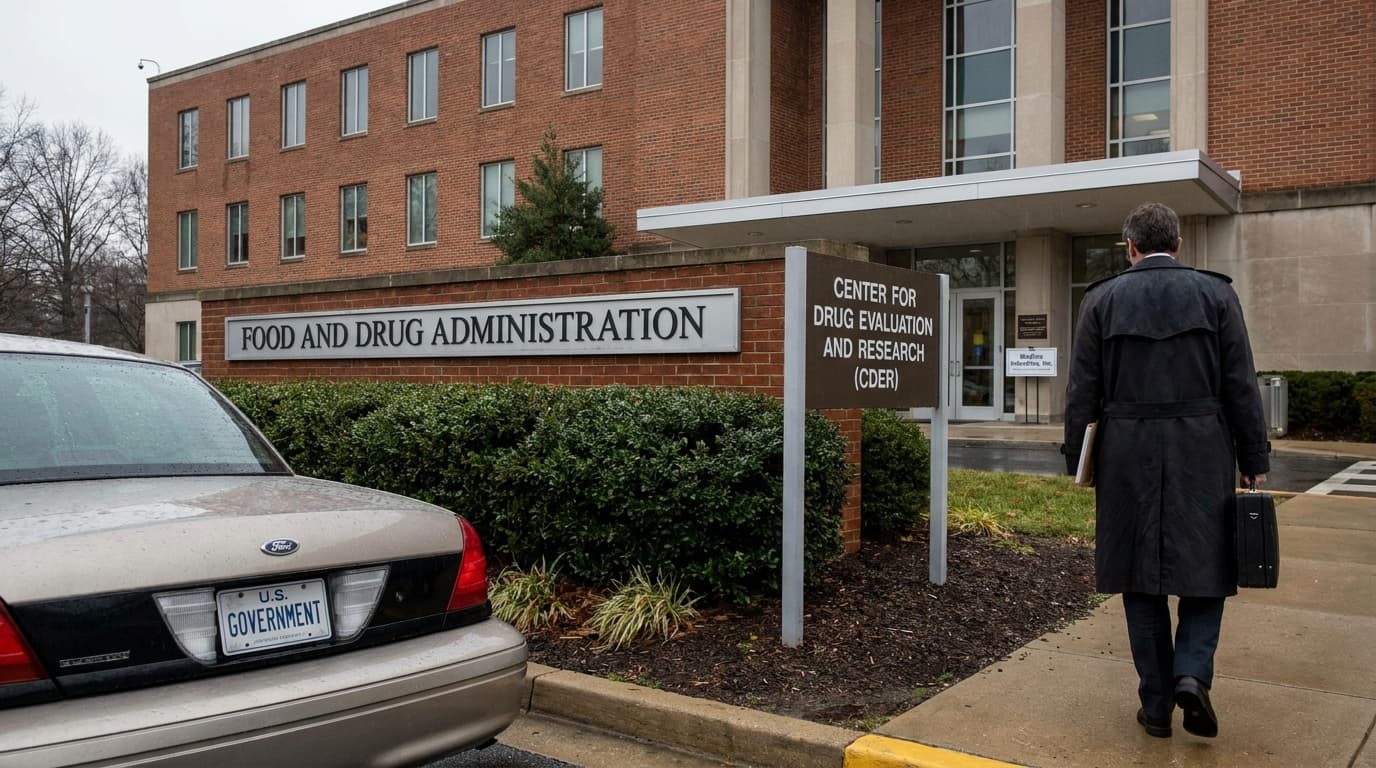
FDA Issues Warning Letter to Medline Over Persistent Contamination Issues

Medline, which recently raised billions in funding, has been found by FDA inspectors to have ongoing bacterial contamination issues in their drug products. This blog examines the inspection findings, contamination risks, and regulatory implications for the biopharma industry.
The U.S. Food and Drug Administration (FDA) has recently issued a warning letter to Medline Industries, Inc., highlighting long-running and repeated failures to prevent bacterial contamination in their finished drug products. This action serves as a stern reminder of the critical importance of maintaining stringent quality and sterility standards in pharmaceutical manufacturing environments.
Background on FDA Warning Letters
FDA warning letters are formal communications that signal observed deviations from regulatory standards. Issued after inspections, these letters identify significant violations that have not been resolved through prior communications or corrective actions. For a leading pharmaceutical manufacturer like Medline, receiving such a letter underscores serious concerns about manufacturing practices and product safety.
The Contamination Problem
According to FDA inspectors, Medline was found to have failed in their efforts to prevent repeat bacterial contamination events. Bacterial contamination in finished drug products poses a significant risk to patient safety, as it can lead to infections and reduced efficacy of medications. The persistence of these issues denotes underlying systemic problems in manufacturing controls or environmental monitoring processes.
Implications for Pharmaceutical Manufacturing
Bacterial contamination incidents are a primary compliance hazard in sterile drug manufacturing. Ensuring aseptic conditions requires comprehensive environmental controls, validated sterilization procedures, and rigorous quality assurance. Failure to adhere to these standards can result in not only regulatory actions but also product recalls and damage to corporate reputation.
The case with Medline underscores the challenges firms face in maintaining continuous compliance, especially when scaling production or developing new products. It also reflects the FDA's ongoing vigilance to safeguard public health by holding manufacturers accountable.
Broader Regulatory Context
In recent years, the FDA has strengthened its inspection regime and updated guidance on contamination prevention. These measures are designed to enhance industry-wide standards and ensure patient safety. The warning letter to Medline aligns with this regulatory environment, sending a clear message to all biopharmaceutical companies about the uncompromising nature of these requirements.
What This Means for Industry Stakeholders
Manufacturers must prioritize investment in state-of-the-art contamination control technologies and operator training. Additionally, companies should adopt robust risk management frameworks to identify potential contamination sources proactively. Effective communication with regulators and swift implementation of corrective actions are crucial in managing compliance risks.
Conclusion
Medline's warning letter reveals the ongoing challenges in preventing contamination in pharmaceutical manufacturing. It serves as both a caution and a call to action for industry players to reinforce quality systems and align closely with evolving regulatory expectations to maintain the safety and integrity of drug products.
Source: FDA hits Medline with warning letter over long-running contamination problem
Join the BioIntel newsletter
Get curated biotech intelligence across AI, industry, innovation, investment, medtech, and policy delivered to your inbox.