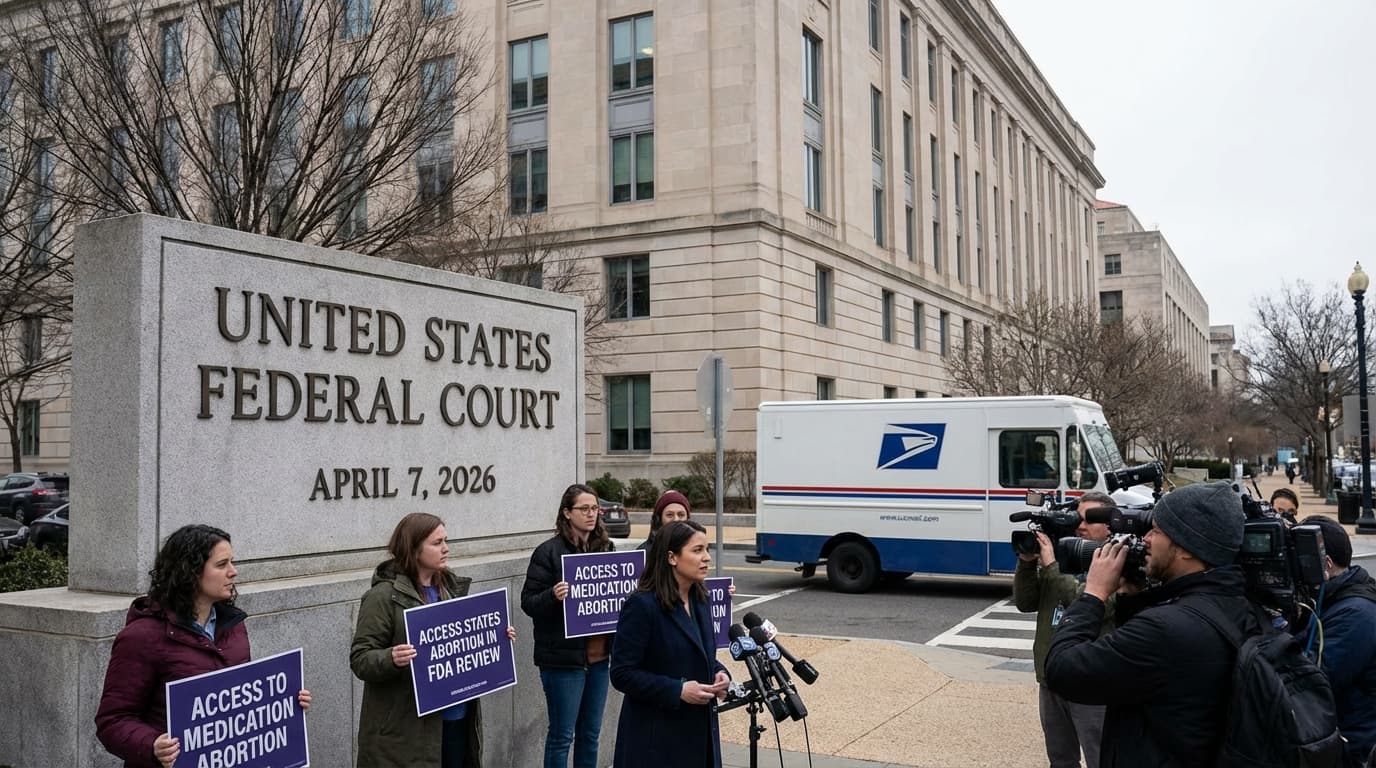
Federal Judge Allows Abortion Pill by Mail While FDA Review Continues

The judge's ruling maintains access to mifepristone through mail-order prescriptions for now, reflecting the complex regulatory landscape surrounding abortion medication. The FDA’s review may influence future policy decisions and availability.
On April 7, 2026, a federal judge issued a ruling that, for the time being, refuses to block the distribution of the abortion pill mifepristone by mail across the United States. This decision allows patients to continue receiving prescriptions for mifepristone via mail order while the U.S. Food and Drug Administration (FDA) completes its regulatory review of the drug.
Mifepristone is a medication commonly used to safely terminate early pregnancies. Access to this drug has been a focal point in ongoing debates about reproductive rights and regulatory oversight. The mailing of mifepristone prescriptions has been seen by advocates as a means to increase accessibility, particularly for patients in areas where in-person access to abortion services is limited.
The judge's decision to refrain from blocking mail distribution indicates a cautious approach pending the FDA’s assessment, recognizing the potential implications for patient safety and public health policy. At the same time, it underscores the judiciary’s role in balancing regulatory processes with patients’ access to care.
The FDA's review process is expected to thoroughly evaluate the safety, efficacy, and regulatory compliance issues related to mail-order distribution of mifepristone. The agency’s final determinations could influence nationwide policy, healthcare provider practices, and patient options regarding medication abortion.
This ruling arrives amidst a broader context where abortion medication remains under intense scrutiny and legal challenges. The ability for patients to receive mifepristone by mail could have substantial impacts on healthcare delivery, especially in rural or underserved communities.
Ensuring safe access to abortion medication while accommodating regulatory oversight forms a central tension in current healthcare policy discussions. Stakeholders, including healthcare providers, patients, advocacy groups, and policymakers, will closely monitor the FDA’s ongoing review and any subsequent legal developments.
In conclusion, the federal judge’s current ruling to allow the mailing of abortion pill prescriptions reflects an interim balance between regulatory review and access. The final outcomes of the FDA’s evaluation will be critical in shaping the future landscape of medication abortion provision across the U.S.
For complete information, refer to the original source: STAT News.
Join the BioIntel newsletter
Get curated biotech intelligence across AI, industry, innovation, investment, medtech, and policy delivered to your inbox.