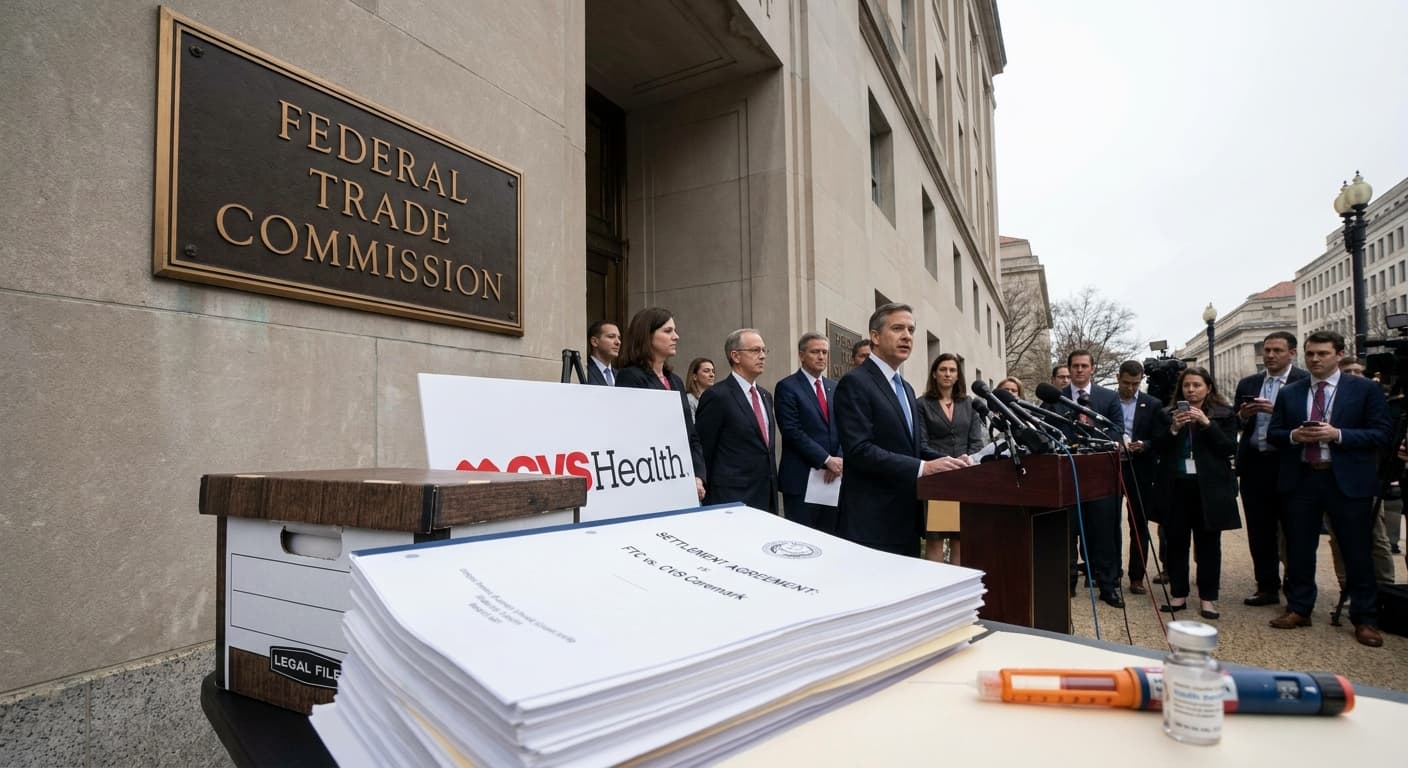
FTC Settlement with CVS Caremark Over Insulin Pricing: Implications for Drug Access and PBM Reform

The FTC's decision to settle its high-profile lawsuit against CVS Caremark brings renewed attention to insulin pricing and the role of pharmacy benefit managers in the U.S. healthcare system. This article examines the alleged practices, settlement implications, and the broader policy debate over drug access and affordability.
Introduction
The Federal Trade Commission (FTC) has recently settled a significant lawsuit brought against CVS Caremark, one of the nation’s most prominent pharmacy benefit managers (PBMs), over charges of artificially inflating the price of insulin and impeding access to vital diabetes treatments. Insulin, an essential medication for millions of Americans living with diabetes, has been at the forefront of ongoing discussions about drug affordability and healthcare access in the United States. The CVS Caremark case now stands as one of the most high-profile examples of policymaker and regulator involvement in the PBM and drug pricing debate.
In this article, we will investigate what led to the FTC lawsuit, detail the settlement terms as far as public information allows, and explore what the case means for the future of PBMs, insulin pricing, and regulatory oversight. This analysis does not purport to give legal advice or industry recommendations; instead, it provides an independent newsroom-style examination of the facts, context, and implications for stakeholders across the healthcare system.
The FTC’s Lawsuit: Allegations and Context
Insulin pricing has sparked national debate for years, as many diabetes patients struggle with affordability among rapidly escalating retail and out-of-pocket costs. PBMs, including CVS Caremark, play a critical intermediary role in this pricing ecosystem, managing formularies, negotiating rebates with manufacturers, and determining patients’ access to therapies under commercial and government health plans.
The FTC’s lawsuit against CVS Caremark alleged that the company engaged in practices that not only manipulated the price of insulin but also limited access for many patients who require diabetes management. According to FTC claims, CVS Caremark’s actions included:
- Artificially inflating the retail and wholesale price of insulin through PBM-managed formularies and contracts.
- Implementing business practices that made it more difficult for some patients to obtain insulin at a reasonable cost or through their preferred pharmacy.
These accusations must be considered within the broader context of PBM practices. PBMs assert their negotiating power allows them to secure lower net prices for large employers and government payers. Critics, however, argue that the complexity and opacity of PBM rebates and drug pricing structures often result in higher costs for patients and inhibit equitable access to life-sustaining medication.
Settlement Details and Immediate Reactions
While the full terms of the FTC’s settlement with CVS Caremark have not been disclosed in all particulars, the resolution marks a significant acknowledgment of the regulatory scrutiny now facing PBMs nationwide. Settlements such as these can carry various components, including prospective remedies, commitments to altered business practices, or, less frequently, financial penalties—though these details have not been confirmed as of this reporting.
The response from advocacy groups, policymakers, and industry observers has been swift and divided. Patient advocates applauded the FTC’s efforts to address insulin pricing manipulation and highlighted the urgent need for increased transparency and accountability in PBM operations. At the same time, industry groups representing PBMs and some health plans have cautioned that interventions must be nuanced to avoid harming the price negotiation leverage that some say is critical for ongoing pharmaceutical innovation and managed care affordability.
What’s at Stake: Insulin Affordability and Patient Access
With millions of Americans dependent on insulin for their daily survival, pricing scandals and access hurdles exact an enormous toll on public health, personal finances, and trust in the healthcare system. The CVS Caremark case crystallizes several core issues:
- Drug Affordability: As insulin list prices have skyrocketed over the past decade, many patients face unmanageable out-of-pocket costs—leading to skipped doses, rationing, or medical emergencies.
- Transparency: The PBM industry’s rebate structures and pricing negotiations are often opaque, making it difficult for payers, regulators, and patients to know how drug costs are set and who profits from various discount or mark-up arrangements.
- Regulatory Oversight: The FTC’s involvement signals a potential policy shift toward greater scrutiny, not only of manufacturers but also of intermediaries like PBMs and health plans.
- Equity: Access disparities deepened by price and payer strategies disproportionately affect lower-income communities, marginalized populations, and uninsured or underinsured individuals.
The Broader Debate Around PBMs and US Drug Pricing
Pharmacy benefit managers wield considerable influence in the US pharmaceutical supply chain. Their supporters argue that PBMs deliver cost savings through formulary management, therapeutic substitution, and high-powered negotiations with drugmakers. Detractors point out that PBMs’ incentive structures can create perverse outcomes, where higher-priced drugs generate larger rebates that PBMs retain, creating conflicting motives.
The settlement with CVS Caremark is not an isolated incident. Rather, it is part of an increasingly muscular regulatory response to perceived abuses or inefficiencies within the PBM industry. Congressional committees, state legislatures, and the Centers for Medicare & Medicaid Services (CMS) have all considered or advanced new legislation and regulatory guidance designed to:
- Eliminate gag clauses that prohibit pharmacies from informing patients about cheaper alternatives.
- Require more robust reporting of PBM rebates, spreads, and administrative fees.
- Restrict the ability of PBMs to exclude certain drugs, like insulin analogs and biosimilars, from preferred formularies for anticompetitive reasons.
- Enhance patient protections in the context of step therapies, prior authorizations, and formulary tiers.
What’s Next for Stakeholders
For Patients and Providers
The settlement may provide some comfort that the federal government is actively investigating and, when appropriate, intervening in cases of restricted drug access or price inflation. However, changes resulting from such actions generally take time to reach the point of care. Patients and providers should remain vigilant for contractual changes in formularies, shifts in cost-sharing, and the introduction of new utilization management controls.
For Insurers and PBMs
PBMs may need to reevaluate their rebate and formulary strategies to avoid future scrutiny or enforcement. Insurers who contract with PBMs will likely increase demands for transparency as they, too, are being subjected to greater regulatory and public attention on how their benefit designs interact with patient costs.
For Policymakers and Regulators
The settlement adds momentum for Congressional proposals aimed at regulating PBMs, increasing transparency, and creating better oversight mechanisms. Continued FTC activity—and possibly the involvement of the Department of Justice—could bring further enforcement or even trigger consent decrees and structural reforms in the industry.
For Pharmaceutical Manufacturers
Drugmakers may find opportunities to work with policymakers on solutions that address both list price inflation and patient access. They may also face added pressure to justify their own pricing strategies given the scrutiny facing the distribution system as a whole.
The Outlook for Insulin Pricing and PBM Reform
Though the immediate legal case may be resolved, the issues underlying the FTC’s settlement with CVS Caremark are likely to persist in the national spotlight for years to come. The highly fragmented nature of US drug pricing—with manufacturers, PBMs, wholesalers, health plans, government payers, and pharmacies all enmeshed in a complex web—means that reform is often slow and contentious.
However, the clear signal sent by the FTC’s settlement is that federal regulators are now willing to take direct action against practices they perceive to harm patients and inflate drug prices, particularly for medicines like insulin with life-or-death consequences. Industry participants will need to weigh the benefits of existing business models against the growing threat of regulatory and reputational repercussions.
Conclusion
The FTC’s settlement with CVS Caremark on insulin pricing manipulation and restricted access allegations stands as a landmark in ongoing US drug pricing policy debates. It marks one more step in a long process of unraveling the health, fiscal, and ethical complexities that surround insulin affordability and PBM operations. While the tangible benefits for patients may not be immediately obvious, regulatory scrutiny of PBMs and greater transparency requirements are likely to remain top issues as both Congress and industry continue to navigate the path toward a more accessible and equitable healthcare system.
For more coverage and details, please refer to the original STAT News report.
Join the BioIntel newsletter
Get curated biotech intelligence across AI, industry, innovation, investment, medtech, and policy delivered to your inbox.