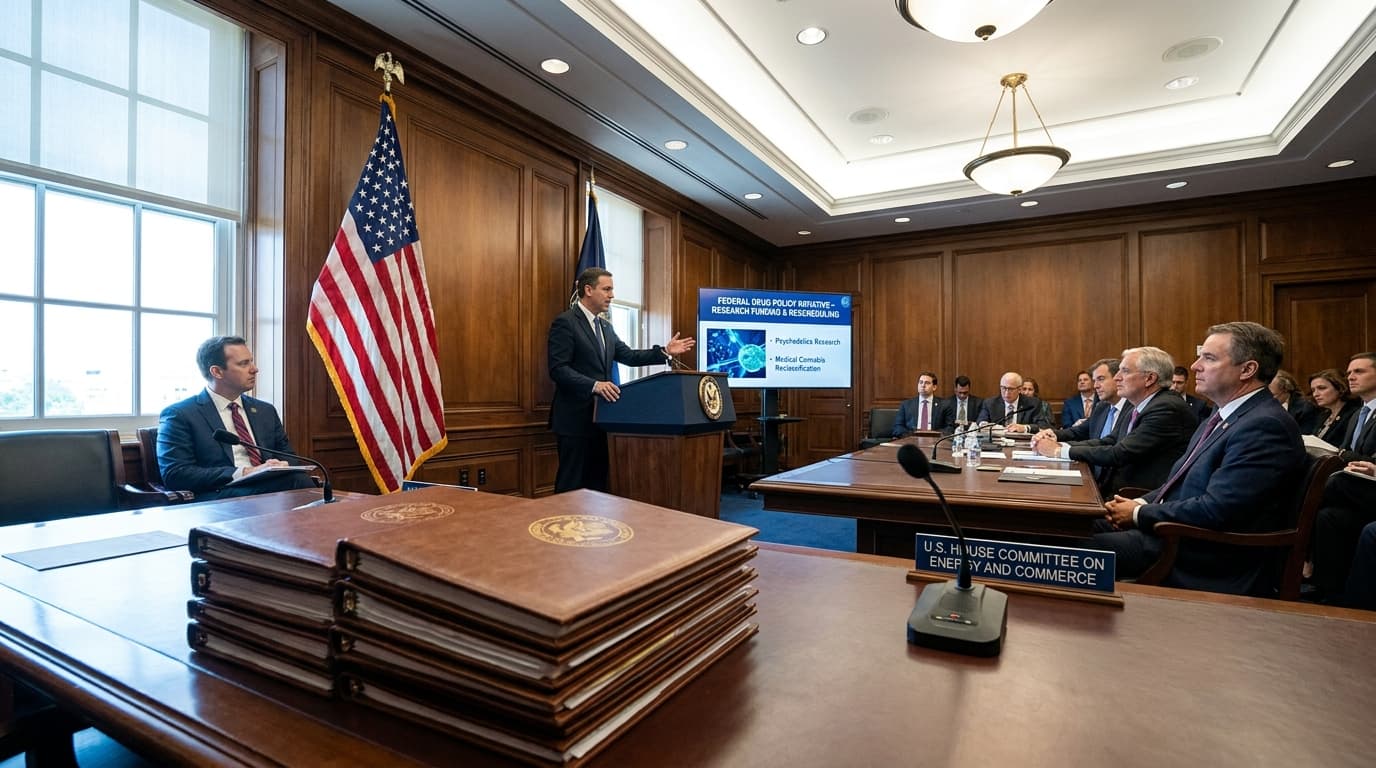
Transformative Shifts in GOP Drug Policy: Trump’s Endorsement of Psychedelics and Cannabis

After decades dominated by the "Just Say No" approach, GOP drug policy is undergoing profound changes. These include federal funding for psychedelics research and reclassification efforts for state-licensed medical marijuana, reflecting evolving attitudes toward drug reform within the party. This shift may have broad implications for healthcare, policy, and societal perspectives on treatment options.
For much of the late 20th and early 21st centuries, conservative drug policy, particularly within the GOP, was characterized by strict prohibition and a hardline stance encapsulated by the "Just Say No" campaign. However, recent developments indicate a significant policy evolution, notably under former President Trump's administration.
The administration's approach includes funding for research into psychedelics, a class of substances long stigmatized due to their association with recreational drug use and counterculture movements. The pivot towards exploring psychedelics' therapeutic potential represents an acknowledgment of emerging scientific evidence supporting their efficacy in treating mental health disorders such as depression, PTSD, and anxiety.
Concurrently, the administration has moved to reschedule marijuana, specifically state-licensed medical cannabis, to a category deemed less dangerous under federal law. This reclassification marks a historic shift, signaling greater federal acceptance and potentially paving the way for wider legal access and reduced legal risks for patients and providers alike.
These actions suggest an evolving GOP perspective recognizing the value of alternative therapies and harm reduction strategies. While these shifts are still nascent and subject to political debates and legislative hurdles, they represent important steps toward modernizing drug policy.
The impact of these changes extends beyond policy into considerations for healthcare providers, patients, and the pharmaceutical industry. Increased research funding may accelerate the development of psychedelic-based therapies, potentially offering new treatment options for difficult-to-manage psychiatric conditions.
Moreover, the reclassification of medical marijuana could influence insurance coverage, prescribing practices, and patient accessibility, aligning federal policy more closely with the realities of state-level legalization efforts.
That said, these developments have also triggered discussions within political and public health circles regarding regulatory oversight, safety concerns, and ethical frameworks necessary to guide the use of psychedelics and cannabis products responsibly.
In summary, the Trump administration's endorsement of psychedelics research and marijuana reclassification marks a watershed moment in GOP drug policy. This new era may catalyze broader acceptance and innovation in therapeutic approaches while reshaping the regulatory and societal landscapes surrounding drug use in America.
Source: STAT News
Join the BioIntel newsletter
Get curated biotech intelligence across AI, industry, innovation, investment, medtech, and policy delivered to your inbox.