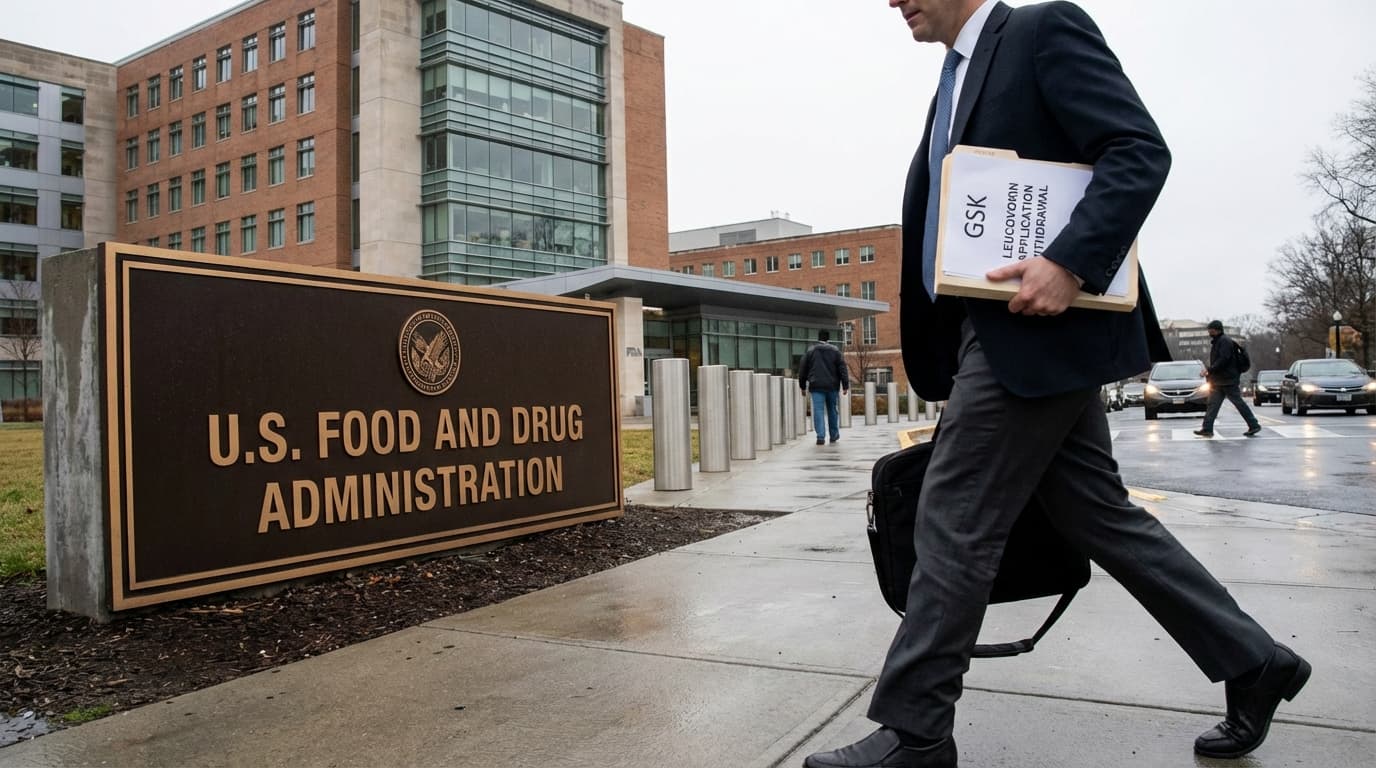
GSK Withdraws Application for Leucovorin as Potential Autism Treatment Amid FDA Regulatory Developments

After discontinuing Wellcovorin in 1999, GSK faced a renewed FDA request late last year to refile an application due to leucovorin’s possible efficacy in managing autistic features linked to cerebral folate deficiency. This post explores the drug’s regulatory journey, scientific rationale, and the broader implications for autism treatment development.
Introduction
In April 2026, pharmaceutical giant GlaxoSmithKline (GSK) again withdrew its application for leucovorin, a folate derivative that has garnered attention due to the U.S. Food and Drug Administration’s (FDA) recent recognition of its potential utility in treating certain autism spectrum disorder (ASD) presentations. This blog offers an analytical review of this development, tracing the history of leucovorin’s clinical use, the FDA’s regulatory stance, and the impact on ongoing research into autism treatments.
Historical Context of Leucovorin
Leucovorin, also known as folinic acid, is a form of folate—a B-vitamin essential for cellular function and neurotransmitter synthesis. GSK formerly marketed leucovorin under the trade name Wellcovorin, prominently as an adjunctive therapy for mitigating methotrexate toxicity in chemotherapy and managing folate deficiency syndromes. However, GSK discontinued Wellcovorin in 1999 for commercial reasons unrelated to efficacy or safety.
Since then, leucovorin has remained an off-label option for various neurological and metabolic conditions, including cerebral folate deficiency (CFD), a rare disorder characterized by insufficient folate transport to the brain. Intriguingly, some patients with CFD present with symptoms on the autism spectrum, inspiring investigations into leucovorin's utility for this subset.
The FDA’s Renewed Interest
In September 2025, the FDA issued a request for GSK to refile an application for leucovorin, highlighting its potential in treating cerebral folate deficiency with autistic features. This move reflects evolving recognition of precision medicine approaches targeting subgroups within ASD characterized by specific metabolic or genetic abnormalities.
The FDA’s interest acknowledges growing scientific evidence supporting leucovorin’s ability to cross the blood-brain barrier and replenish folate levels in affected patients, which may ameliorate some neurodevelopmental symptoms. Clinical studies have suggested improved cognitive and behavioral outcomes in children with CFD receiving leucovorin supplementation, though evidence remains limited and necessitates further validation.
GSK’s Strategic Withdrawal
GSK’s decision to again pull the application after the FDA’s prompt to refile indicates ongoing challenges balancing commercial viability, regulatory alignment, and clinical data sufficiency. Several factors likely influenced this move:
- Data robustness: While preliminary studies are promising, GSK may require more comprehensive randomized controlled trials demonstrating efficacy and safety in the autism subgroup.
- Market considerations: Autism therapies often face significant reimbursement and access hurdles, especially for treatments applicable to relatively small patient subsets.
- Regulatory clarity: Evolving FDA requirements around orphan indications and biomarkers may complicate the approval pathway.
This withdrawal pauses the formal regulatory process, potentially delaying broader accessibility of leucovorin for neurodevelopmental indications, though the drug remains available off-label in clinical practice.
Implications for Autism Treatment Landscape
Autism spectrum disorder is heterogeneous, with multifactorial etiologies encompassing genetic, metabolic, and environmental factors. Current pharmacologic options primarily address comorbid symptoms rather than core features. Targeted therapies addressing underlying biochemical abnormalities represent an urgent unmet need.
Leucovorin's narrative highlights the promise and pitfalls of precision medicine for autism:
- Potential: Identifying treatable metabolic defects like cerebral folate deficiency opens avenues for disease-modifying interventions.
- Challenges: Small patient populations, the complexity of ASD phenotypes, and stringent regulatory standards slow the development and approval of such treatments.
- Research impetus: Continued investigation into folate metabolism and transport mechanisms in neurodevelopment may yield novel biomarkers and therapeutic targets.
Broader Regulatory and Scientific Context
GSK’s experience mirrors broader trends in drug development for neurodevelopmental disorders, where the demand for biomarkers and subtyping is increasing. FDA's adaptive regulatory frameworks aim to balance innovation facilitation with patient safety and treatment efficacy.
Initiatives promoting patient-focused drug development and real-world evidence integration may enhance future approval prospects for therapies like leucovorin. Meanwhile, advocacy for improved diagnostic screening for metabolic ASD subsets could streamline identification of candidates likely to benefit.
Conclusion
The latest withdrawal of leucovorin’s application by GSK despite FDA encouragement reflects the complexities at the intersection of drug development, regulation, and rare disease treatment innovation. While leucovorin remains a promising candidate for addressing cerebral folate deficiency-associated autism symptoms, more rigorous clinical evidence and regulatory strategy alignment are essential to advance its widespread therapeutic use.
This evolving story underscores the importance of sustained multisectoral collaboration among pharmaceutical companies, regulatory agencies, clinicians, and researchers to realize precision medicine’s potential in autism and related neurodevelopmental disorders.
Source: BioSpace
Join the BioIntel newsletter
Get curated biotech intelligence across AI, industry, innovation, investment, medtech, and policy delivered to your inbox.