Understanding the Hantavirus Outbreak on a Cruise Ship: Facts and Public Health Perspectives

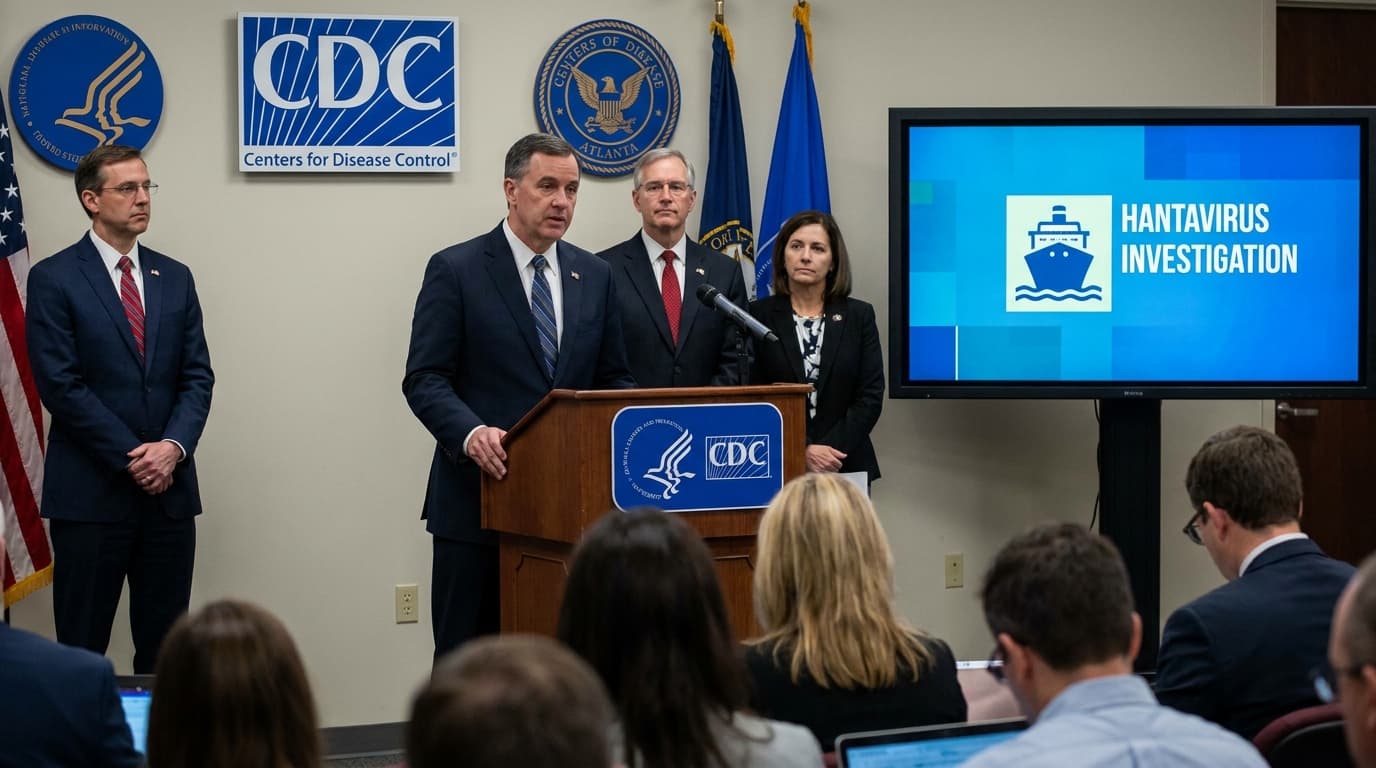
Recently, a cruise ship experienced an outbreak attributed to hantavirus, resulting in fatalities and illnesses. This article explores the biology of hantavirus, symptoms, transmission, and how public health entities manage such outbreaks while maintaining public reassurance.
A recent outbreak of hantavirus on a cruise ship has caught the attention of public health officials, travelers, and the broader community, prompting a closer look at this rodent-borne disease and its management in contemporary settings. While the situation has understandably sparked concern, it is vital to approach the issue with clear, factual information and without unnecessary alarm.
Hantavirus refers to a family of viruses primarily spread through contact with infected rodent urine, droppings, or saliva. Human infection typically occurs via inhalation of aerosolized particles contaminated with the virus, often in enclosed spaces. Hantaviruses can cause severe respiratory disease known as hantavirus pulmonary syndrome (HPS), a condition with significant morbidity and mortality risks if untreated. However, early detection and supportive care have improved outcomes considerably.
The cruise ship outbreak, which has reportedly resulted in three fatalities and several illnesses, stands out due to its unique transmission environment—a closed community with shared living spaces and limited exposure routes. An epidemiological investigation is ongoing to understand the source of contamination, rodent exposure levels, and passenger risks.
Public health messaging around hantavirus emphasizes awareness over fear. It is important to note that hantavirus infections are rare relative to other infectious diseases, and transmission requires specific conditions that are not commonly encountered by the general population. Preventative measures include controlling rodent populations in and around human habitation and promoting good sanitation practices.
The incident on the cruise ship serves as a critical reminder of the importance of maintaining rigorous environmental health standards in shared and travel environments. Cruise lines and other travel-related entities are often mandated to comply with health regulations designed to minimize infectious disease risks, including rodent control programs.
Beyond the immediate response, broader implications include the necessity for effective disease surveillance, prompt reporting, and international cooperation in infectious disease tracking—especially considering the mobility of travelers and global reach of cruises.
Health officials also underscore that while hantavirus is severe, panic is unwarranted and disproportionate. Instead, measured responses grounded in scientific evidence and public health expertise provide the best framework to address such outbreaks.
This event aligns with heightened awareness of infectious disease threats globally and supports calls for sustained investment in public health infrastructure, risk communication strategies, and research into zoonotic diseases.
For those interested in detailed updates and broader context related to this outbreak, the original health news coverage is available from STAT News.
Join the BioIntel newsletter
Get curated biotech intelligence across AI, industry, innovation, investment, medtech, and policy delivered to your inbox.