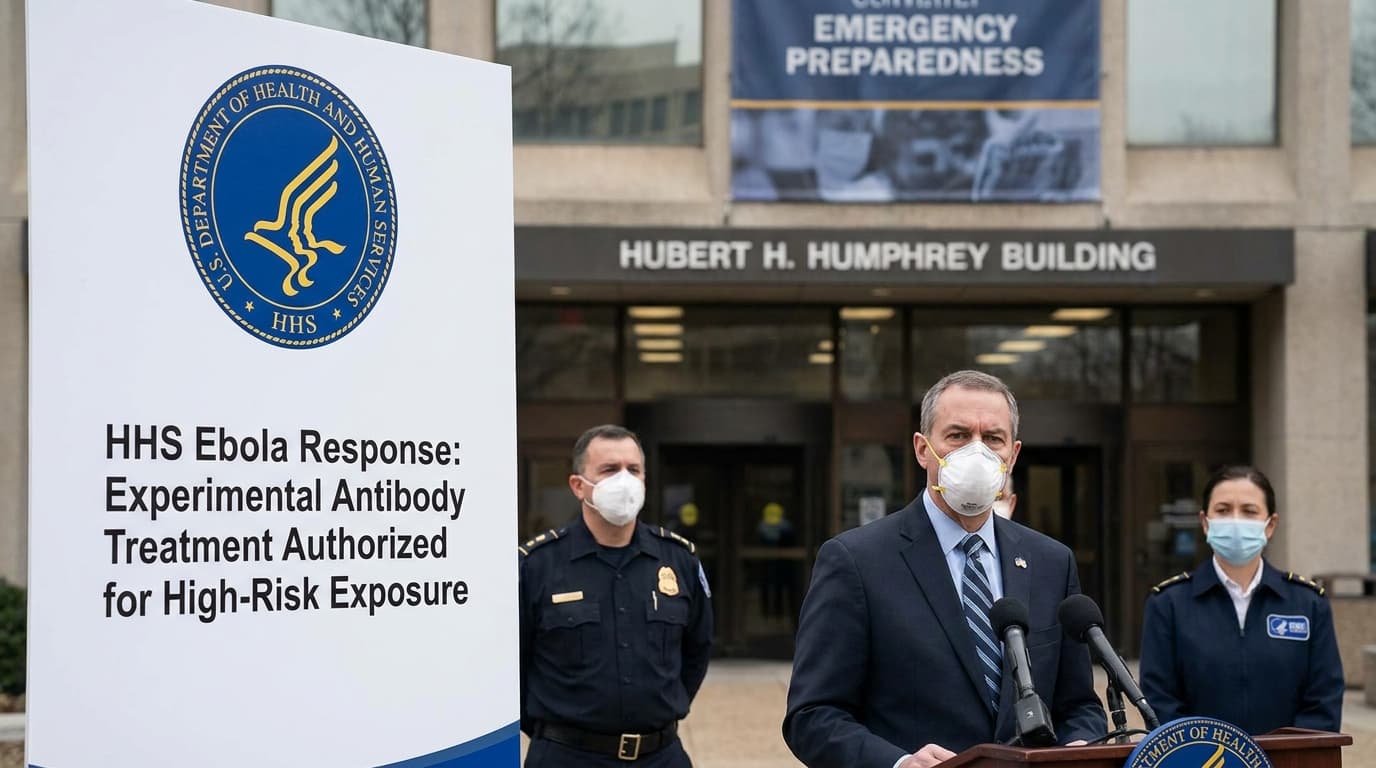
HHS Authorizes Experimental Antibody Treatment for Americans at High Risk of Ebola Exposure

In response to the ongoing Ebola outbreak in Central Africa, HHS ensures that Americans facing high-risk exposures will be able to access an experimental antibody treatment, reinforcing preparedness in managing this serious viral threat. This development marks a significant policy step in expanding available therapeutic options during an outbreak.
The recent announcement by the U.S. Department of Health and Human Services (HHS) confirms that Americans who have encountered high-risk exposures to Ebola virus amid the current outbreak in Central Africa will have access to an experimental antibody treatment. This decision reflects a proactive approach by health authorities to equip healthcare professionals and exposed individuals with advanced therapeutic options to counter this deadly virus.
Ebola virus disease has long been one of the most severe infectious diseases, characterized by high fatality rates and the potential for rapid spread. The current outbreak in Central Africa necessitates coordinated international and domestic responses to contain transmission and offer effective medical interventions. By authorizing this experimental antibody therapy for high-risk exposures, HHS is expanding the therapeutic arsenal beyond supportive care and existing vaccines.
This therapy, which remains under investigation, represents a promising advancement in treating or potentially preventing the clinical progression of Ebola virus disease following exposure. Antibody-based treatments work by targeting key viral proteins to neutralize the virus, thereby helping the immune system control the infection and reduce disease severity.
Ensuring access to such experimental treatments in outbreak settings is critical not only for individual patient outcomes but also for broader public health goals of outbreak containment. The policy underscores the importance of rapid deployment of innovative medical tools during emergent infectious disease threats.
Beyond the direct clinical implications, this policy shift highlights ongoing efforts in regulatory and policy frameworks to support accelerated access pathways for promising experimental therapies during public health emergencies. Provisioning these therapies under expanded access or emergency use authorizations requires careful regulatory review to balance safety, efficacy, and urgent clinical need.
Looking forward, continued advances in therapeutic development for Ebola and other high-threat pathogens will depend on sustained investment in research, robust clinical trials, and strong coordination among global health authorities and governments. The HHS move to provide access to experimental Ebola antibody therapy is a meaningful step in that direction, reflecting evolving strategies to manage infectious disease crises with innovative medical science.
This development emerges at a critical juncture where the global health community remains vigilant against not only Ebola but also other emergent infectious diseases that pose ongoing pandemic risks. Enhanced preparedness, including access to novel therapeutics, is foundational to effective outbreak response.
Given the severe nature of Ebola virus disease, the authorization of this experimental treatment will likely influence clinical practice guidelines and outbreak response policies in the U.S. and internationally, underscoring the pivotal role of governmental health agencies in safeguarding public health.
As this situation evolves, it remains essential to monitor treatment outcomes, safety signals, and overall impact on the outbreak trajectory to inform future policy and therapeutic strategies.
For in-depth information, the full details are available from the original source at STAT News.
Join the BioIntel newsletter
Get curated biotech intelligence across AI, industry, innovation, investment, medtech, and policy delivered to your inbox.