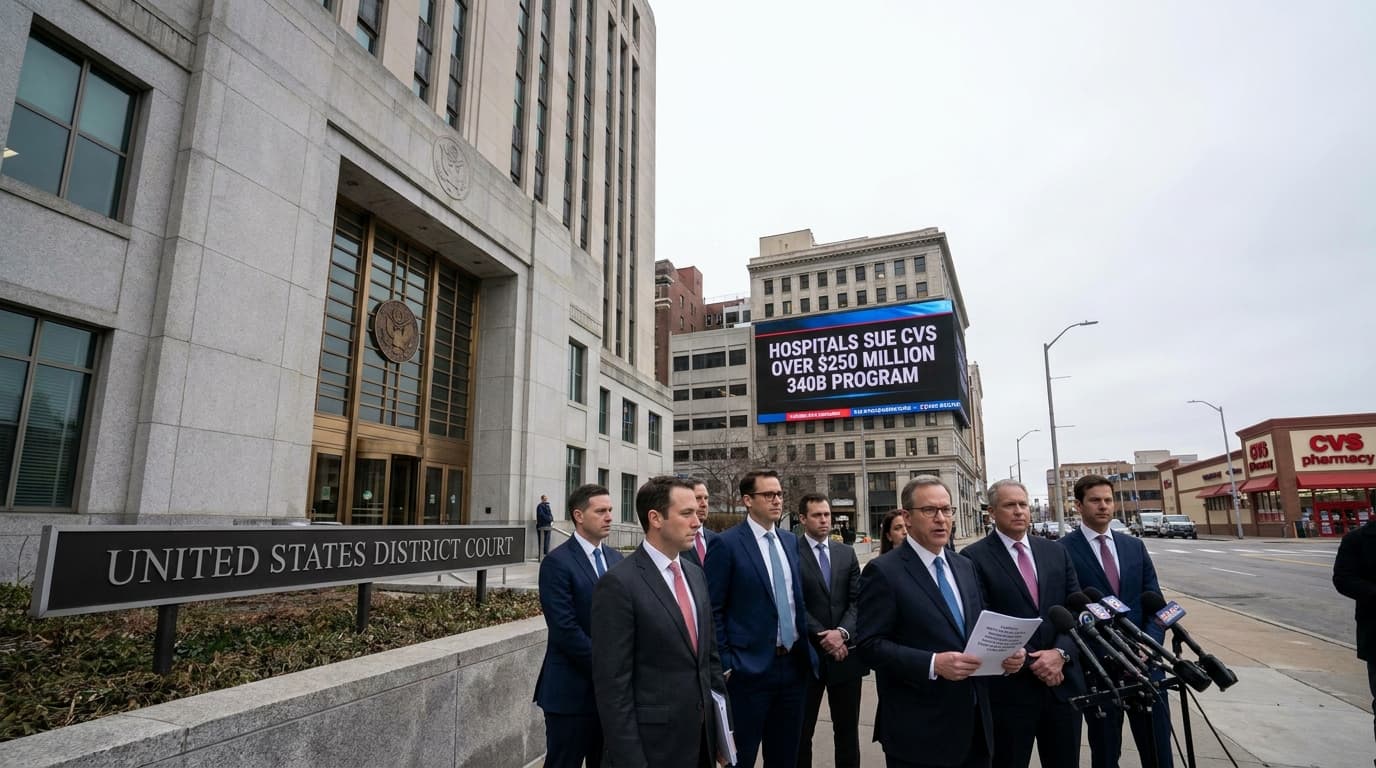
Hospitals Challenge CVS Health in Court Over Alleged $250M 340B Program Scheme

Three major health systems accuse CVS Health of illicit financial practices related to the 340B program, aiming to recover hundreds of millions in alleged lost savings. This legal case spotlights ongoing tensions in hospital-pharmacy relations under the 340B drug discount framework.
The 340B program is a federal initiative designed to enable hospitals and healthcare providers to access outpatient drugs at significantly reduced prices. This program aims to support providers serving vulnerable populations by allowing them to stretch scarce federal resources, thus enhancing care for at-risk and low-income patients. However, recent allegations have emerged implicating CVS Health, one of the largest pharmacy benefit managers (PBMs) in the U.S., in a purported scheme that diverted approximately $250 million in 340B savings from 2020 to 2025.
In a high-profile legal action, three prominent health systems—Mount Sinai Health System, Michigan Medicine, and the University of Kansas Health System—have collectively brought forth this lawsuit against CVS Health. These hospitals claim that CVS engaged in "spread pricing" practices, a controversial PBM tactic wherein the PBM charges health plans more for drugs than they reimburse pharmacies, capturing the difference as profit.
According to the allegations, CVS utilized this spread pricing method to funnel savings meant for health systems under the 340B program away from the intended recipients. The suit asserts that this conduct not only violated agreements but also undermined the financial benefits designed to assist under-resourced hospitals.
Understanding the 340B program's critical role in sustaining safety-net providers frames the significance of these allegations. Hospitals rely on the discounts to fund essential services and offset financial pressures, especially as healthcare expenses continue to rise and insurance reimbursements fluctuate. Unlawful diversion of these savings threatens the stability and capacity of these essential hospitals to deliver care to high-need populations.
This lawsuit places a spotlight on the complex and often opaque relationships between pharmacies, PBMs, and health systems. The 340B program's implementation involves multiple stakeholders with sometimes competing financial interests. PBMs, which manage drug benefits on behalf of insurers and employers, have faced scrutiny for leveraging spread pricing and other practices that may reduce transparency and limit program effectiveness.
CVS Health, a dominant player in the PBM market, has yet to publicly respond in detail to these legal claims. The outcome of this case could have profound implications for the oversight and regulation of the 340B program, potentially prompting legislative or administrative reforms focused on enhancing transparency and safeguarding intended beneficiaries.
Beyond the immediate financial implications, this case raises broader policy questions about the governance of drug pricing programs, the incentives and conduct of PBMs, and the protections necessary for vulnerable populations served by 340B hospitals. As pressures mount for pharmaceutical cost control and equitable access, ongoing scrutiny of PBM roles remains critical.
This lawsuit also signals potential shifts in how health systems may navigate partnerships with PBMs and pharmacies moving forward. Increased attention to contract terms, pricing transparency, and regulatory compliance may drive changes in industry practices. Ultimately, the case exemplifies the growing scrutiny and legal challenges faced by intermediaries in the complex pharmaceutical supply chain.
As the litigation proceeds, healthcare stakeholders, policymakers, and industry observers will closely monitor developments. Both the specifics of the case and its broader ramifications for the 340B program could influence future strategies to ensure that cost-saving mechanisms effectively reach those for whom they were intended.
This ongoing dispute underscores the tensions at the intersection of healthcare financing, drug pricing, and patient access — a nexus that continues to challenge efforts to balance cost containment with quality care delivery.
For more information, visit the original report at MedCity News: Hospitals Take CVS to Court Over Alleged $250M 340B Scheme.
Disclaimer: This article is based solely on information provided in the lawsuit allegations and publicly available sources as of the publication date. Further details and outcomes remain to be seen as legal proceedings evolve.
Join the BioIntel newsletter
Get curated biotech intelligence across AI, industry, innovation, investment, medtech, and policy delivered to your inbox.