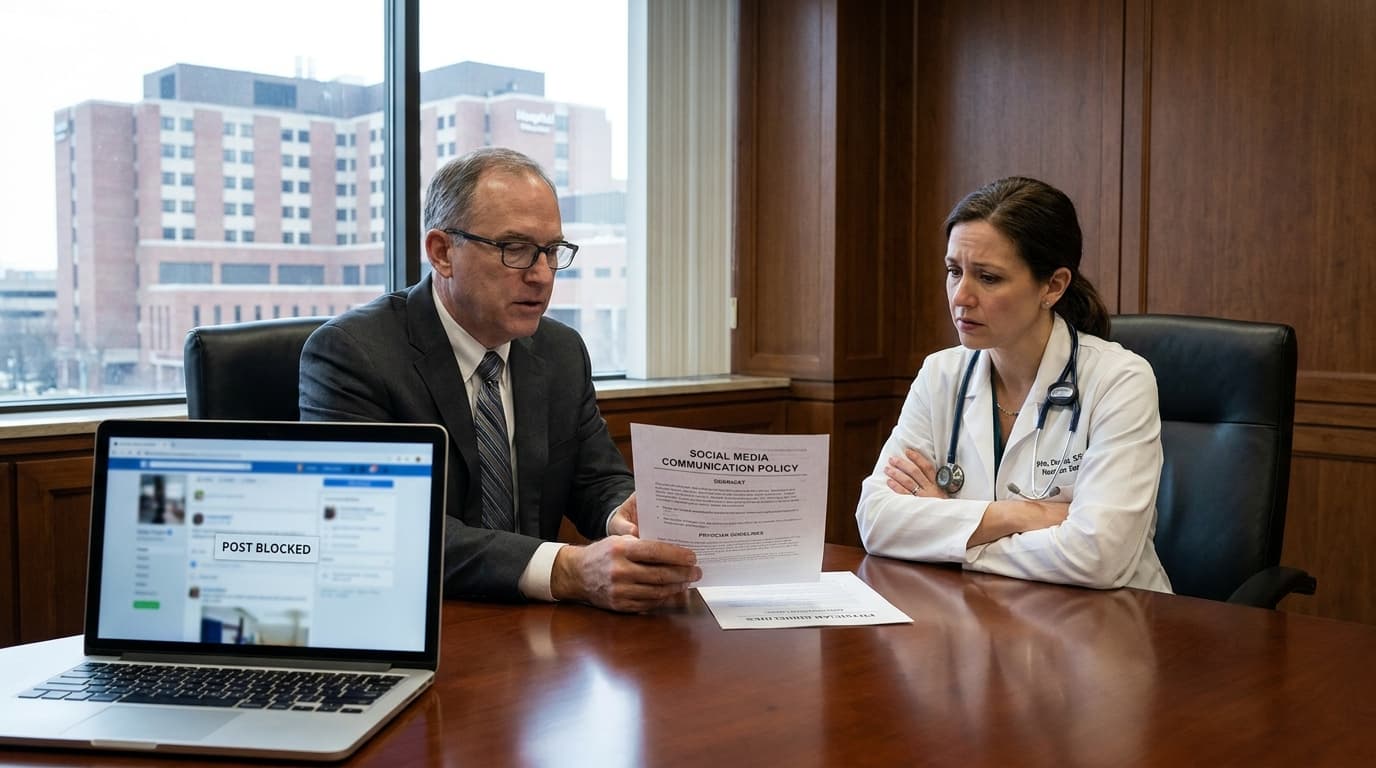
Hospitals Silencing Doctors Online: A Growing Concern in the Health Misinformation Crisis

The suppression of doctors’ voices on social media platforms by hospitals and health systems is raising alarms among experts who warn it fuels health misinformation. This post explores the intricacies behind these policies, the implications for public health, and the urgent need to empower medical professionals to combat false information effectively online.
The digital age has transformed how health information is propagated, making social media a critical venue for public engagement and education by medical professionals. However, recent trends indicate that hospitals and health systems are increasingly imposing restrictions on doctors’ online communications. This development emerges amid a mounting health misinformation crisis worldwide, which threatens public trust in medicine and endangers health outcomes.
At the heart of this dilemma lies the balance between institutional control and empowering physicians to act as credible sources of scientifically accurate information. Hospitals often seek to regulate messaging to protect their reputation and comply with regulatory standards. Yet, this conservative approach can inadvertently stifle physicians’ ability to directly counter misinformation in real time.
Many doctors have expressed frustration at such social media policies, noting that their professional insights and frontline experiences are vital to debunking false narratives. The irony is profound: while misinformation thrives online, the very authorities best positioned to counter it are being muzzled or sidelined.
Experts like Adam Goodcoff emphasize that loosening the reins on physician communications could combat misinformation more effectively. Allowing doctors to engage candidly and authoritatively on social media platforms could restore public confidence and clarify misunderstandings about diseases, treatments, and health behaviors.
The issue also intertwines with broader questions about the responsibilities of healthcare institutions in shaping public discourse. Should hospitals prioritize institutional risk management over public education? How can policies be crafted to ensure physicians can safely and responsibly utilize social media while maintaining professionalism and adherence to evidence-based medicine?
Moreover, the implications extend beyond misinformation to impact patient care and healthcare outcomes. Misinformation has been linked to vaccine hesitancy, rejection of proven therapies, and the rise of unproven alternative treatments, all contributing to preventable disease burden.
In conclusion, the trend of silencing doctors online warrants critical examination from policymakers, healthcare leaders, and the medical community. Reconsidering social media policies to empower physicians as trusted voices in the digital realm is a necessary strategy to address the health misinformation crisis effectively.
For more detailed insights and continuing updates on this topic, refer to the original article at STAT News.
Join the BioIntel newsletter
Get curated biotech intelligence across AI, industry, innovation, investment, medtech, and policy delivered to your inbox.