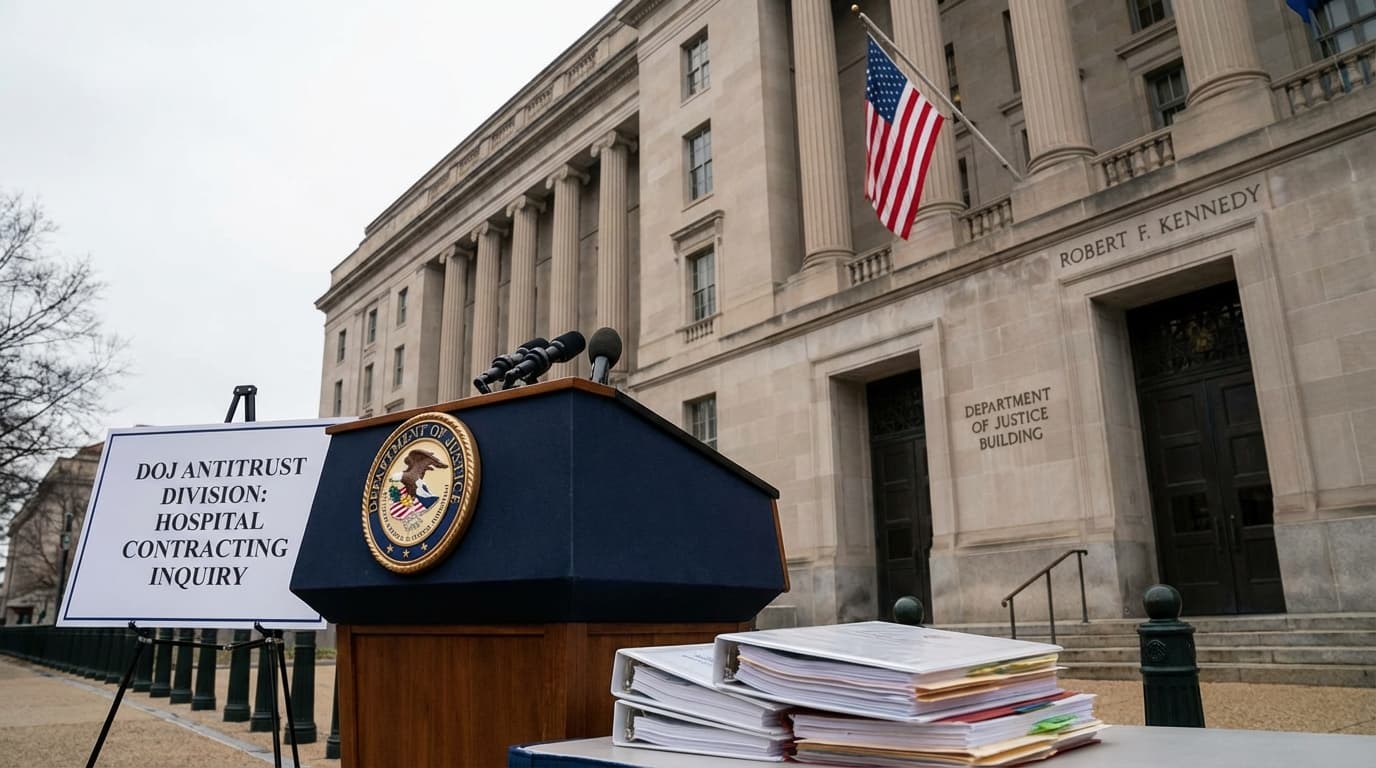
Inside The DOJ’s Hospital Contracting Crackdown: What Message Are the Feds Sending?

This year, the DOJ filed lawsuits against major health systems like OhioHealth and NewYork-Presbyterian Hospital, alleging the use of all-or-nothing contracts that limit market competition and keep insurance prices elevated. This crackdown highlights regulatory efforts to ensure fair contracting practices that benefit patients and insurers alike by fostering transparency and competition in hospital networks.
The United States is witnessing a significant regulatory push by the Department of Justice (DOJ) concerning hospital contracting practices. This series of antitrust actions is focused on combating arrangements that save healthcare providers money and control insurance networks in a manner that critics argue reduces competition and artificially inflates costs for patients and payers.
In recent months, the DOJ has filed lawsuits against major health systems including OhioHealth and NewYork-Presbyterian Hospital. The lawsuits allege these systems employ "all-or-nothing" contracting tactics. This means that insurance companies must include all hospitals within a health system in their network or risk being excluded entirely. Such practices can severely limit competition by preventing insurance plans from selectively contracting with the most cost-effective or high-quality providers.
These contracting strategies have been criticized for limiting consumer choice and keeping healthcare prices higher than they might be in a more competitive market. Insurers, bound by such contracts, often have less leverage to negotiate lower reimbursement rates, which can translate to higher premiums and out-of-pocket costs for patients.
The DOJ crackdown reflects a broader regulatory trend aimed at promoting transparency, competition, and fairness in healthcare markets. By challenging these contracts, federal authorities send a message that anticompetitive bundling arrangements may violate antitrust laws and harm both consumers and the healthcare system’s overall efficiency.
Moreover, these enforcement actions raise awareness among hospital systems about the importance of fair contracting practices that do not undermine competition in insurance exchanges and employer health plans. The ultimate goal is to create a healthcare market where providers compete on quality, price, and innovation rather than relying on restrictive contracts that guarantee patient volume regardless of performance.
The impact of these lawsuits extends beyond the named defendants. Other hospitals and health systems may proactively reassess their contracting strategies to avoid similar scrutiny, potentially leading to more competitive network offerings and better pricing outcomes.
Additionally, these DOJ actions could influence broader health policy discussions about healthcare costs, insurer-provider relations, and how regulation can promote improved care access and affordability. Industry stakeholders including insurers, hospitals, policymakers, and patient advocacy groups are closely monitoring the proceedings for implications that could shape future norms in hospital contracting.
In conclusion, the Department of Justice’s increased enforcement activities against “all-or-nothing” hospital contracting practices represent a significant step toward addressing systemic issues in healthcare pricing and competition. The regulatory push aims to dismantle contractual barriers that limit insurer network design and competition, thereby fostering a healthcare environment that better serves patients and promotes cost containment.
Source: MedCity News
Join the BioIntel newsletter
Get curated biotech intelligence across AI, industry, innovation, investment, medtech, and policy delivered to your inbox.