Instability in Leadership: Frequent Changes in Top FDA and CDC Roles Undermine Public Health Efforts

Leadership stability is crucial to effective public health policy and regulatory oversight. However, recent turnover rates at the U.S. Department of Health and Human Services' major public health agencies signal ongoing challenges in maintaining consistent governance and oversight at the FDA and CDC.
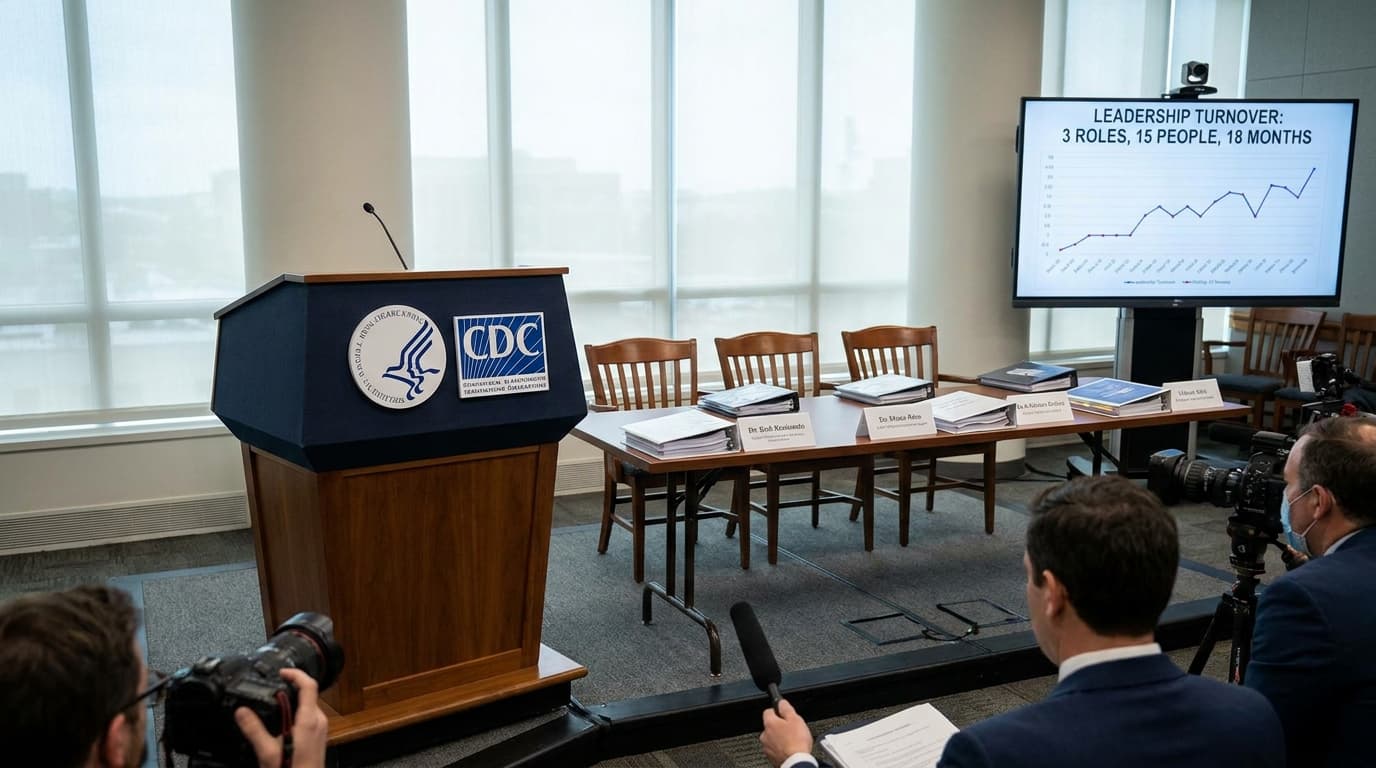
The Department of Health and Human Services (HHS) has been experiencing a troubling pattern of leadership turnover in critical roles across its key agencies, particularly the Food and Drug Administration (FDA) and the Centers for Disease Control and Prevention (CDC). According to a recent report, three top roles spanning these agencies have been filled by a total of 15 different people within an 18-month timeframe. This level of churn in leadership positions is remarkable and has significant implications for the stability and effectiveness of public health governance.
Understanding the Context of Frequent Leadership Changes
The FDA and CDC serve as foundational pillars of national health policy implementation, safety regulation, and disease control. Leadership in these agencies is tasked with overseeing complex regulatory processes, guiding scientific and medical review, responding to emerging health threats, and ensuring public trust in health recommendations. When leadership roles are subject to frequent changes, it creates a level of uncertainty that can hamper decision-making and long-term strategic planning.
Specifically, the roles in question span both the CDC and the FDA’s primary review units, indicating disruption not only in disease control and prevention but also in areas related to product approvals and regulatory oversight. The exact roles and the reasons for such rapid turnover have not been detailed extensively, but the implications are clear: instability at the top can lead to inconsistency in policy execution and challenges in retaining experienced staff.
Historical Stability Versus Current Trends
Traditionally, top roles at agencies like FDA and CDC have seen terms that provide continuity allowing incumbents to execute long-term plans and policies. A high frequency of leadership changes within short spans can undermine such continuity, potentially leading to conflicting priorities and delays in regulatory decisions. Such instability comes at a time when the public expects these agencies to be reliable sources of information and swift action—from vaccine approvals to pandemic preparedness.
Impact on Public Health Initiatives and Regulatory Processes
Leadership churn affects multiple facets of these agencies’ operations, including:
-
Regulatory Review Processes: Continual leadership changes may interrupt evaluation timelines for new drugs, vaccines, and medical devices, affecting industry stakeholders and ultimately patients awaiting treatment advances.
-
Public Communication and Trust: Shifts in leadership may complicate messaging consistency around public health guidelines, potentially exacerbating misinformation and reducing public confidence.
-
Staff Morale and Retention: Frequent changes at the top can lead to uncertainty within the workforce, influencing morale and possibly leading to departures of skilled professionals.
-
Policy Continuity and Innovation: Long-term initiatives requiring sustained support may face hurdles, and innovative approaches might be delayed or abandoned due to changing leadership visions.
Wider Implications for Health Policy
This instability not only affects immediate operational effectiveness but also carries broader implications for the United States’ capacity to respond to health crises and advance biomedical innovation. Leadership that is frequently in flux may be less able to engage with Congress, industry, and international partners effectively, reducing the agencies' influence and ability to coordinate comprehensive health policies.
Calls for Strategic Reforms
Observers of the public health sector and policy analysts suggest that stabilizing leadership appointments and ensuring transparent succession planning are imperative to redress this issue. Moreover, the process of appointing qualified, long-term leaders with clear mandates and bipartisan support may contribute to rebuilding confidence in these critical agencies.
In summary, the recent trend of frequent turnover in three top roles at the FDA and CDC over less than 18 months signals persistent challenges within HHS leadership structures. Addressing this instability is essential to strengthening public health infrastructure and maintaining the effectiveness of regulatory oversight in the United States.
Source: 3 top FDA, CDC roles filled by 15 different people in less than 18 months
Join the BioIntel newsletter
Get curated biotech intelligence across AI, industry, innovation, investment, medtech, and policy delivered to your inbox.