Insurers Eye Double-Digit Premium Hikes Again as Affordable Care Act Enrollment Slumps

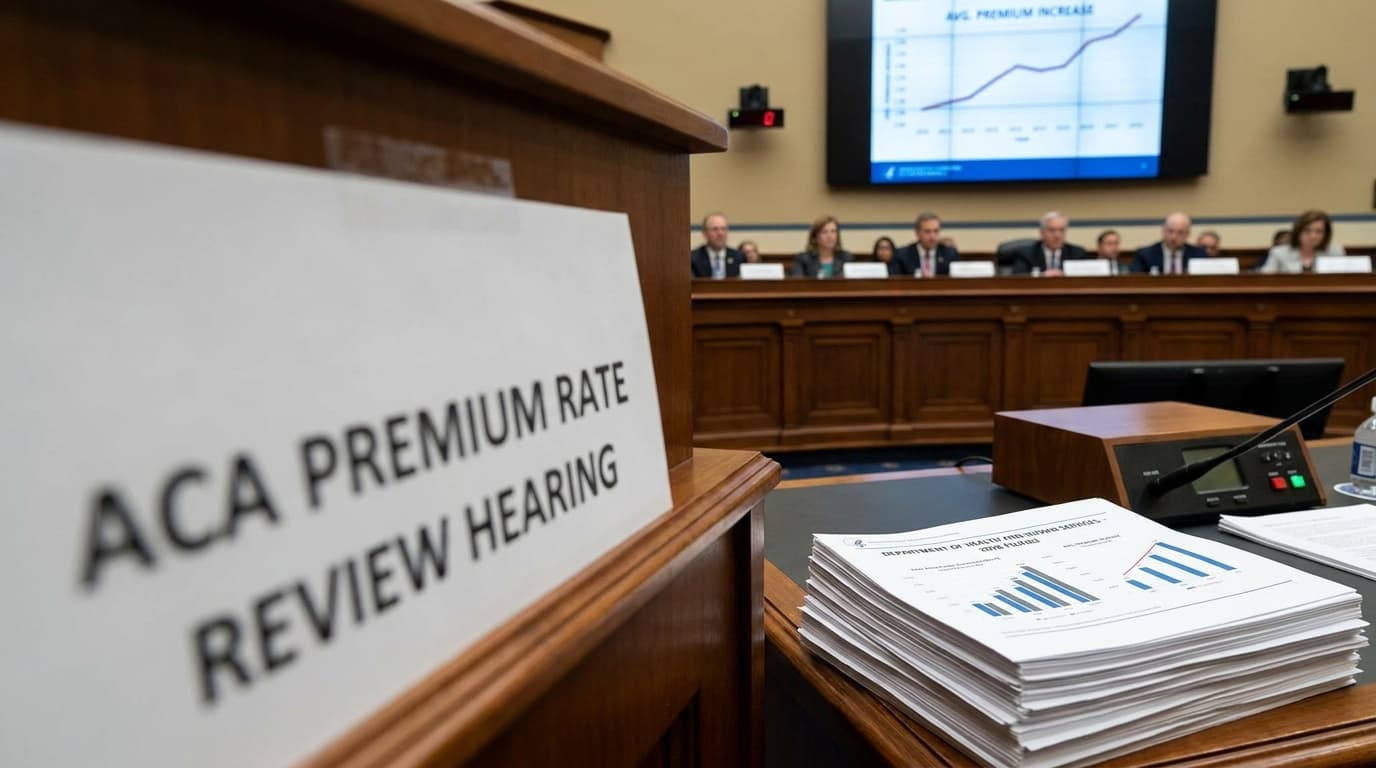
The Affordable Care Act (ACA) marketplace is facing intensified pressures as insurers propose another round of double-digit premium increases. This pattern, echoing last year’s trends, is attributed to rising healthcare costs and shifting federal policy. Coupled with declining enrollment, the developments may have sweeping implications for policyholders, payers, and policymakers.
Introduction
The U.S. health insurance landscape, shaped in large part by the Affordable Care Act (ACA), is entering a period of renewed volatility. For the second consecutive year, many insurers on the ACA marketplace are proposing double-digit premium hikes as they confront both rising medical costs and changes in federal policy. This development arrives at a precarious time, with ACA enrollment figures dipping and the market struggling to stabilize after over a decade of flux.
In this in-depth report, we explore the drivers behind these proposed premium increases, the financial and operational tensions facing insurers, and the potential consequences for millions of Americans who rely on ACA plans. We examine recent trends, gather expert perspectives, and assess the likely future direction of the ACA marketplace. The story is one of changing costs, regulatory adjustments, and ongoing debate about access and affordability in U.S. healthcare.
The Surge in Premium Increase Proposals
For years after the initial rollout of the ACA, premium increases in many markets moderated after a period of sharp readjustments. However, 2025 marked a turning point. For the second year straight, many insurers are filing for—and in some cases, defending—double-digit rate hikes for 2026. This trend is notable across multiple states and markets, regardless of geographic or demographic makeup.
The specifics of the proposed increases vary by insurer and location, but the driving forces are both broad and deep-rooted. Insurers have cited a combination of surging medical costs, regulatory and policy uncertainties, increased utilization of high-cost services (including breakthrough drugs and treatments), and shifts in the risk pool composition following the winding down of pandemic-era continuous enrollment protections.
Mounting Medical Costs: A Persistent Driver
One of the most frequently cited reasons for premium hikes is the continued escalation in medical expenditures. Insurers point to increased prices for hospital care, new pharmaceuticals, and the expanded use of specialty drugs for chronic conditions such as obesity and diabetes. Providers, especially large hospital systems, have also negotiated higher payment rates in recent years, passing much of these costs onto insurers and, ultimately, to consumers in the form of higher premiums.
Behind these trends are broader macroeconomic forces: medical inflation, wages for healthcare staff, and the rising cost of supplies, technology, and care delivery. While insurers often try to absorb some of these increases, the realities of sustaining operations while remaining competitive in the marketplace mean many companies are forced to adjust their rates upward.
Policy Shifts and Federal Changes Impact the ACA Market
The ACA’s infrastructure, while more stable than during its tumultuous early years, remains vulnerable to shifts in federal policy. Recently, changes in subsidy design, benchmark plan calculations, and risk adjustment formulas have led to uncertainty over who pays what—and how much—across insurers and consumers.
Additionally, the recent expiration of enhanced premium subsidies implemented during the COVID-19 pandemic has shifted more costs onto enrollees. As a result, some people have chosen to forgo insurance or seek less expensive, less comprehensive alternatives, contributing to a sagging enrollment picture.
State regulators are watching closely as insurers justify their filings, weighing the tradeoffs between keeping premiums as affordable as possible and ensuring insurer solvency and market participation. Balancing these needs is no small feat, particularly as some regions threaten to tip into "bare counties"—areas with only one, or in rare cases, no ACA insurers at all.
Enrollment Declines Compound the Challenge
The combination of rising premiums and the end of pandemic-era protections has led to enrollment declines in many ACA markets. As the risk pool shrinks and, in some cases, becomes less healthy on average, insurers face increased actuarial uncertainty. A smaller, sicker group of enrollees typically means higher claims and reduced ability to spread risk, creating a feedback loop that reinforces the need for premium hikes.
Experts warn that prolonged enrollment declines could threaten the long-term sustainability of ACA exchanges, especially in rural or underserved regions. Policymakers and advocates are watching closely—some calling for renewed subsidy enhancements, others arguing for reforms to control underlying healthcare expenditures.
The Consumer Impact: Affordability and Access at Risk
Perhaps most importantly, premium increases have direct and often immediate ramifications for policyholders. Higher monthly premiums may force some individuals or families to drop coverage, accept higher out-of-pocket costs, or reduce utilization of necessary care. For those who qualify for subsidies, the pain may be blunted, but middle-class families just over subsidy thresholds may be exposed to substantial new healthcare costs.
Safety-net organizations and consumer groups warn that cycle of rising premiums and declining enrollment risks creating an ever-smaller covered population, precisely the opposite of ACA’s original intent. Whether further policy interventions can arrest this trend remains a central question in health policy debates.
Insurer Perspectives: Financial Realities and Strategic Decisions
For insurers, setting premium rates is a careful balancing act. On one hand, they are accountable to regulators and the public to provide affordable plans; on the other, they must protect themselves from financial losses in an unpredictable and rapidly evolving market.
Most major players have amplified investments in data analytics, risk assessment, and care management to better predict and control costs. Additionally, some insurers have diversified their product lines, investing more heavily in Medicare Advantage, Medicaid managed care, or employer-sponsored plans—where cost pressures and rate approval processes differ.
The trend of "silver loading"—wherein insurers concentrate rate increases on certain mid-level plans, boosting overall premium subsidies—has continued as a tactical response, but the underlying cost drivers persist.
Regulatory and Political Reaction
The recent spate of proposed premium hikes has prompted vigorous debate among state and federal regulators. While most states maintain some authority to review and approve rates, their leverage varies widely, as does their willingness to push back on insurer filings.
At the federal level, there are renewed calls for subsidy expansions, cost-sharing reductions, or even new public option proposals. However, given election-year politics and diverse stakeholder interests, significant federal action in the short term appears uncertain.
Consumer advocates emphasize the urgency of making coverage affordable while stabilizing insurer participation, warning of increased health inequities and financial risk for America’s most vulnerable groups.
Looking Ahead: Where Does the ACA Marketplace Go from Here?
The ongoing pattern of premium increases and enrollment declines presents a significant inflection point for the ACA. Key questions include:
- Will new policy interventions (state or federal) emerge to offset cost growth or expand subsidies?
- Can the healthcare system curb underlying cost growth through innovation, value-based care, or negotiated provider contracts?
- Will insurers maintain robust participation in the face of regulatory uncertainty and pressure to control costs?
The answers will shape not only the future of the ACA but also the broader U.S. health insurance market, which millions of Americans rely upon for access and protection against medical bankruptcy.
Conclusion
The proposed double-digit premium hikes for 2026 reflect a confluence of rising provider costs, regulatory uncertainty, and market dynamics that have for years defined the ACA experience. Whether the country can reverse the negative cycle of rising costs and shrinking coverage, or whether market forces and policy inertia persist, is a question with both immediate and long-term ramifications.
As regulators, insurers, and policymakers weigh their next moves, the story of the ACA in 2026 serves as a reminder that progress in American health coverage is rarely linear—and that protecting access, quality, and affordability demands constant vigilance and adaptation.
Source: STAT News
Join the BioIntel newsletter
Get curated biotech intelligence across AI, industry, innovation, investment, medtech, and policy delivered to your inbox.