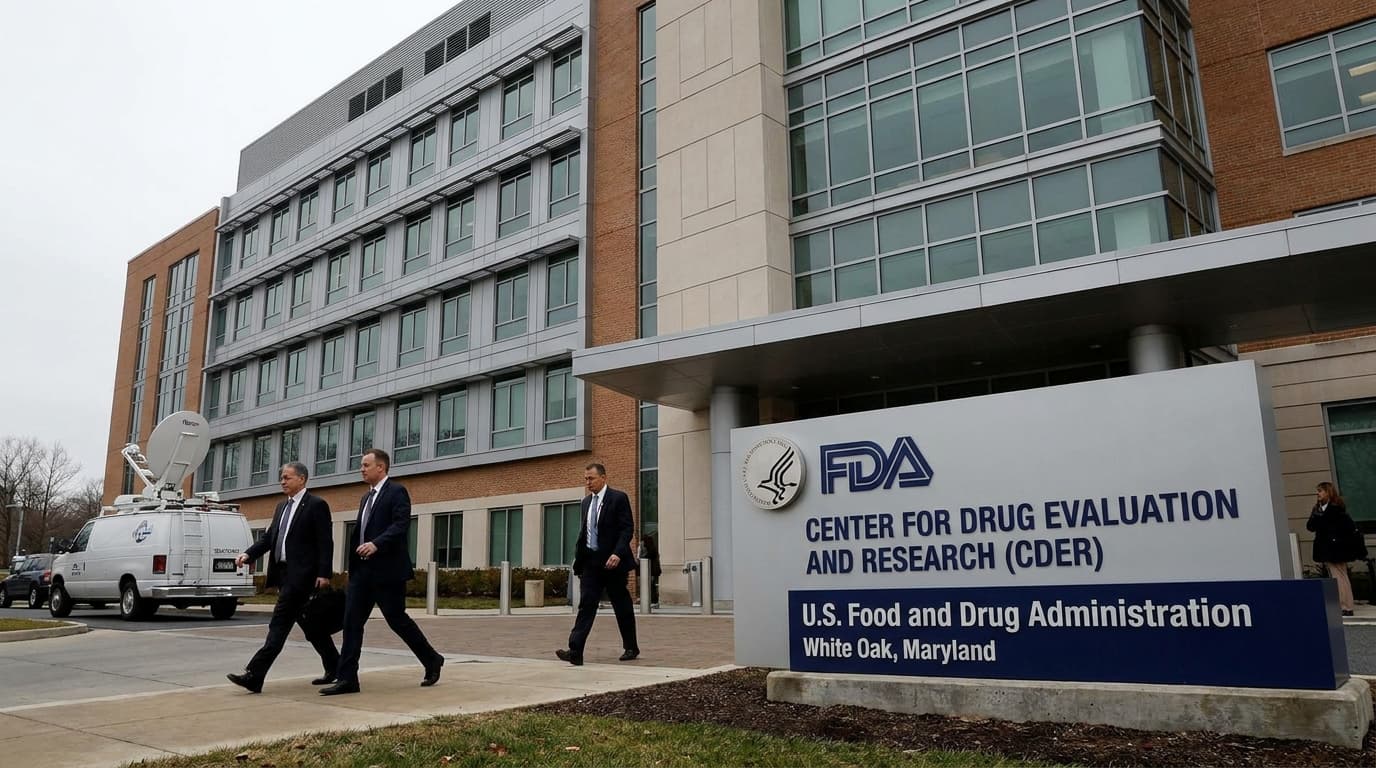
Interim CDER Head Tracy Beth Høeg Departs FDA Amid Continued Leadership Changes

The FDA is experiencing significant leadership upheaval, highlighted by the recent resignations within its highest ranks. The exit of interim CDER head Tracy Beth Høeg shortly after Commissioner Makary's resignation raises questions about the agency’s internal dynamics and the potential impact on its regulatory functions. This article explores the circumstances and implications surrounding these high-profile departures at the FDA.
In recent developments within the U.S. Food and Drug Administration (FDA), the interim head of the Center for Drug Evaluation and Research (CDER), Tracy Beth Høeg, has announced her departure from the agency. This exit occurs only days after the resignation of FDA Commissioner Marty Makary, a move that has sent ripples throughout the regulatory and pharmaceutical industries. The proximity of these two resignations prompts an examination of the ongoing challenges and internal tensions that may be influencing the leadership landscape of the FDA.
Context and Background Tracy Beth Høeg’s role as interim head of CDER positioned her at the helm of the FDA’s crucial division responsible for the evaluation and approval of drugs. This division not only oversees regulatory review processes ensuring safety and efficacy of pharmaceuticals but also engages with stakeholders across the health sector to facilitate access to innovative therapeutics. Her departure thus represents a significant vacancy at a pivotal regulatory institution.
Marty Makary’s resignation as FDA Commissioner earlier this month was unexpected and has been a focal point for speculation regarding the internal atmosphere at the agency. Makary, a prominent figure with a background in medicine and health policy, had been championing various initiatives aimed at streamlining drug approvals and enhancing transparency around regulatory decisions.
Reported Reasons and Tensions According to reports, Høeg’s departure aligns with tensions within the FDA’s leadership, particularly concerning matters involving a commissioner's voucher related to Sanofi’s diabetes medication. The intricacies of these tensions have not been fully disclosed in public, but such internal disagreements underscore the challenges regulators face when balancing public health priorities, corporate interests, and policy frameworks.
Voucher programs, which often provide incentives such as expedited review processes for certain drug categories, can be contentious. While intended to encourage pharmaceutical innovation, especially for diseases with unmet needs, they can also raise questions about regulatory impartiality and drug pricing.
This atmosphere of discord suggests that the FDA is navigating a complex environment where policy decisions intersect with commercial stakes. The departure of senior officials amid such conditions is indicative of the pressures regulators face and may signal potential shifts in agency strategy or leadership style moving forward.
Implications for Drug Regulation and Industry The FDA’s Center for Drug Evaluation and Research plays an instrumental role in determining which drugs reach the market and under what timelines. Leadership changes at this level can lead to shifts in regulatory priorities, affecting pharmaceutical companies' development pipelines and strategic planning.
For the biotech and pharmaceutical industries, consistency in regulatory leadership is critical for maintaining clear communication and predictability. Sudden departures can introduce uncertainty that may delay drug approvals or alter the regulatory landscape. There is particular interest in how this change might affect drugs related to chronic conditions such as diabetes, given the mention of Sanofi’s product.
Furthermore, broader questions arise about how the FDA will address internal agency dynamics and public concerns regarding regulatory decisions and policies. Clarity and leadership stability are paramount to ensuring confidence among stakeholders, including patients, healthcare providers, and industry participants.
Historical Context and Leadership Stability at FDA The FDA historically has experienced varying levels of leadership continuity. Changes in administration, political pressures, and evolving healthcare priorities often influence internal agency leadership. However, during times of significant public health challenges or scientific breakthroughs, stable leadership becomes especially critical.
The current succession of leadership exits comes at a time when the FDA faces high expectations for managing emergent therapies, overseeing drug safety, and responding to public health crises. How the agency navigates this period could set precedents for the future regulatory environment.
Looking Ahead As the FDA prepares to appoint new leadership within the Center for Drug Evaluation and Research, stakeholders will be closely monitoring the agency's direction on key issues such as drug approval speed, oversight of pharmaceutical companies, and policies on drug pricing and vouchers. Observers will also watch for how the agency manages internal morale and organizational effectiveness amidst recent upheavals.
In conclusion, Tracy Beth Høeg’s exit from the FDA following Marty Makary’s resignation signifies a pivotal moment for the agency. The reasons underlying these departures, including reported tensions over a high-profile drug voucher, reflect the complex intersection of regulatory responsibilities, industry relationships, and policy challenges. The coming months will be crucial in determining the FDA’s trajectory and its ability to maintain its role as a leading regulatory authority.
Source: biospace.com
Join the BioIntel newsletter
Get curated biotech intelligence across AI, industry, innovation, investment, medtech, and policy delivered to your inbox.