Is the Military Fueling Eating Disorders? An In-depth Look

An exploration of how military rhetoric, imagery, and policies might influence the prevalence of eating disorders, particularly in men, with insights into the broader societal and health implications.
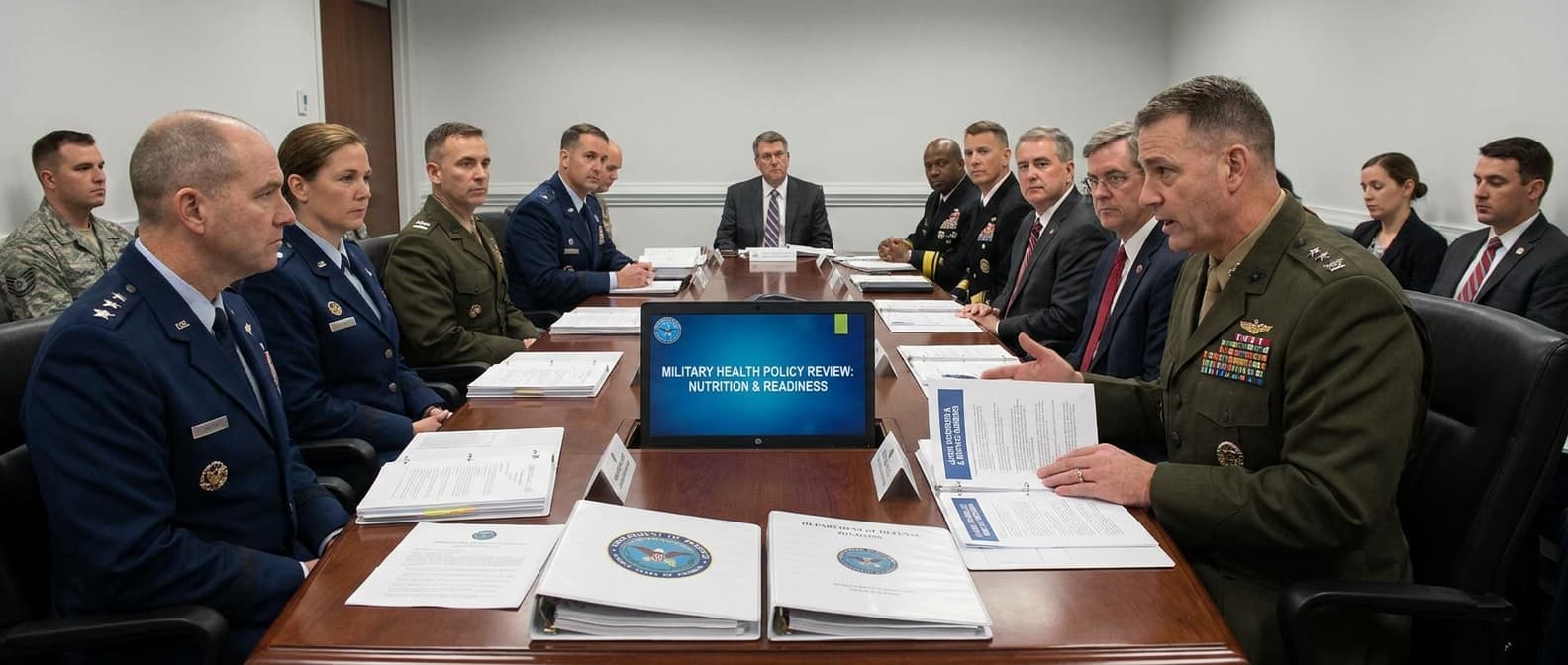
Eating disorders have traditionally been perceived as predominantly affecting women, but emerging research is revealing that men, including those in the military, are increasingly vulnerable to these serious health conditions. Recent discussions have pointed towards the role that the United States military culture and policies might have in possibly fueling eating disorders among its service members. This issue raises important questions about health, well-being, and the need for targeted interventions within military populations.
Military service often involves intense physical and psychological demands, including the need to meet strict fitness and appearance standards. These requirements may create an environment conducive to unhealthy behaviors related to eating and body image. These behaviors can range from excessive dieting and exercise to more dangerous practices such as purging or the use of substances to control weight.
Additionally, the rhetoric and imagery commonly associated with military service, especially as amplified during certain political administrations, often emphasize extreme masculine ideals. This cultural context may exacerbate pressures on men in the military to conform to rigid body standards, inadvertently leading to a higher risk of developing eating disorders.
Eating disorders encompass a range of conditions, including anorexia nervosa, bulimia nervosa, and binge-eating disorder, all of which carry significant physical and mental health risks. If left unaddressed, these disorders can lead to severe complications and even mortality. Understanding the military's role in this health concern is critical for developing effective prevention and treatment strategies.
The problem extends beyond individual health, impacting military readiness and effectiveness. Eating disorders can affect concentration, stamina, and overall health, potentially compromising the safety and performance of service members. Recognizing and addressing these issues within the military context is thus not only a health imperative but also a strategic necessity.
This discussion also invites broader reflection on how societal narratives about gender, strength, and appearance influence health outcomes. The military, as a microcosm of society with unique pressures and expectations, highlights the urgent need to reconsider how these factors contribute to the mental health of its members.
Efforts to tackle eating disorders in the military require a multifaceted approach, including education, screening, supportive policies, and access to specialized healthcare. Awareness campaigns that challenge harmful stereotypes and promote diverse conceptions of strength and health could also play a vital role.
Moreover, research into the specific factors within military life that contribute to eating disorders is essential. Continued investigation will help identify risk factors, protective measures, and the cultural shifts needed to support service members' well-being.
In conclusion, the examination of whether the military is fueling eating disorders shines a light on a pressing and unfortunately underrecognized health issue. Understanding this dynamic can inform policy changes and healthcare practices that better serve military populations, ultimately enhancing both individual health and military effectiveness.
For more detailed discussion and updates on this topic, see the original source at STAT News: Is the military fueling eating disorders?.
Join the BioIntel newsletter
Get curated biotech intelligence across AI, industry, innovation, investment, medtech, and policy delivered to your inbox.