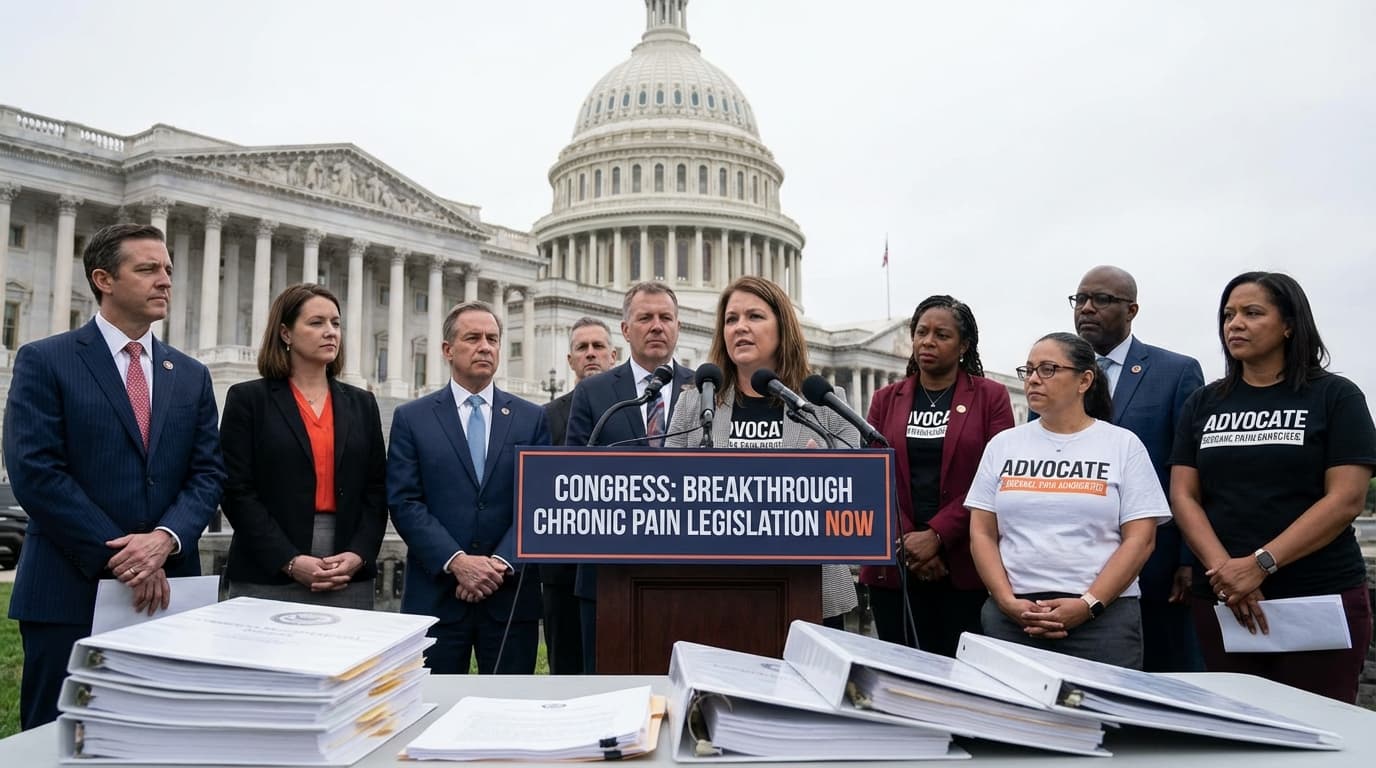
Join the Fight Against Chronic Pain: It’s Time for Breakthrough Legislation in Congress

Chronic pain remains a significant public health challenge, with many patients facing hurdles to accessing effective therapies. Legislative breakthroughs in Congress may address these barriers, easing the burden on patients and healthcare professionals alike. This article explores the systemic obstacles and potential policy solutions gaining traction.
Chronic pain affects millions of individuals, deeply impacting quality of life and healthcare systems. Over the past fifteen years, persistent financial and administrative hurdles have obstructed patients’ access to timely and effective treatments. Step therapy mandates, requiring patients to try multiple therapies before advancing to recommended options, and prior authorization requirements, which delay or deny access to prescribed treatments, are among the foremost barriers.
These obstacles do not merely inconvenience patients; they often result in prolonged suffering, diminished functional capacity, and heightened healthcare costs due to ineffective or delayed treatment. Equally impacted are healthcare professionals, whose clinical judgment is constrained by payer-imposed protocols that dictate treatment pathways irrespective of individual patient needs.
The pressing need for legislative reform stems from these realities. Advocates emphasize that breakthrough legislation in Congress could significantly alleviate these challenges. Such policy measures would aim to streamline treatment access, reduce administrative burdens, and prioritize patient-centered care models.
Recent developments reveal growing bipartisan support for addressing chronic pain through legislative avenues. Proposed bills focus on modernizing step therapy protocols to be more flexible and evidence-based, increasing transparency, and shortening prior authorization timelines. Furthermore, efforts include enhanced funding for pain research and comprehensive support services.
The potential impact of these changes extends beyond individual patient outcomes. Effective reform could reduce overall disability rates, improve workforce participation, and lower secondary complications associated with unmanaged chronic pain.
However, policy revision is complicated by balancing cost containment with clinical freedom. Insurers highlight the necessity of utilization management to ensure efficient resource use, while patient and provider advocates stress the primacy of tailored treatment.
Ultimately, the success of breakthrough chronic pain legislation will depend on continued stakeholder engagement, data-driven policy design, and robust implementation frameworks. Through coordinated efforts, it is possible to dismantle long-standing barriers that have restricted access to care and enhance the therapeutic landscape.
This analysis draws from in-depth reporting titled "Join the Fight Against Chronic Pain: It’s Time for Breakthrough Legislation in Congress" published by MedCity News, which sheds light on the complexity and urgency of reform in chronic pain management policies.
Join the BioIntel newsletter
Get curated biotech intelligence across AI, industry, innovation, investment, medtech, and policy delivered to your inbox.