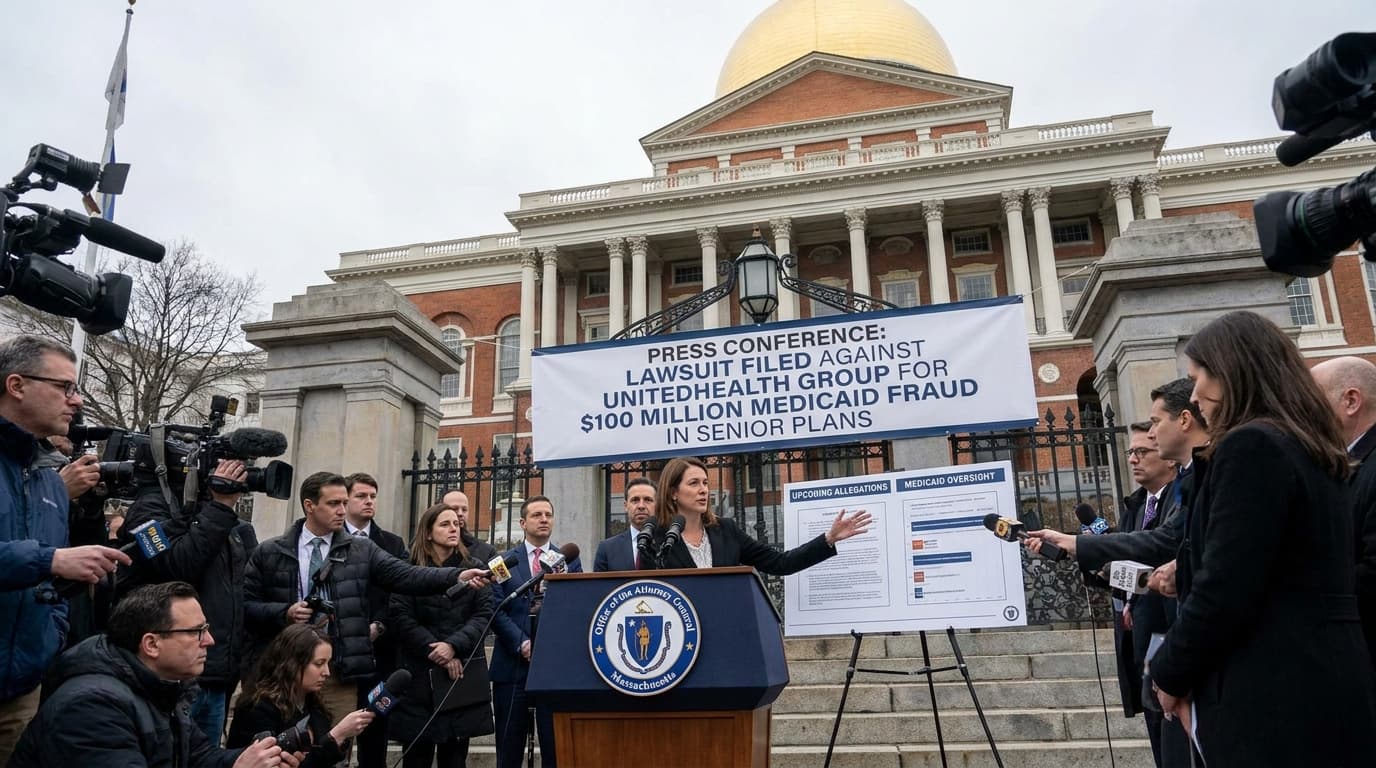
Massachusetts Files Lawsuit Alleging $100 Million Medicaid Fraud by UnitedHealth in Senior Plans

The legal action alleges that UnitedHealthcare engaged in 'upcoding' where the severity of members' health statuses was exaggerated to secure additional Medicaid reimbursement. This raises pivotal questions about oversight in Medicaid managed care plans serving elderly populations.
The state of Massachusetts has initiated a significant legal challenge against UnitedHealthcare, accusing the insurance giant of engaging in fraudulent billing practices within its Medicaid plans for seniors. According to the state Attorney General's allegations, UnitedHealthcare purportedly claimed that certain Medicaid members were in poorer health than they actually were, aiming to boost its reimbursements and thereby increase company profits. This form of misrepresentation, known as "upcoding," involves assigning diagnoses indicating more severe health conditions than those clinically substantiated, effectively inflating the payments received from the Medicaid program.
This lawsuit highlights an important aspect of the broader healthcare system in the United States: the oversight and integrity of Medicaid managed care plans, particularly those catering to vulnerable and aging populations. The Medicaid program, jointly funded by the state and federal governments, provides health coverage to millions of low-income individuals, including a significant number of seniors relying on comprehensive medical care.
Upcoding practices undermine the trust foundational to Medicaid, siphoning financial resources intended to serve patient needs into company profits instead. This legal challenge, originating from Massachusetts, may amplify scrutiny across other states where similar arrangements between insurers and Medicaid programs exist. It raises pivotal questions on regulatory and compliance frameworks governing managed care plans and stresses the necessity for robust auditing and accountability mechanisms.
Managed care organizations like UnitedHealthcare play a crucial role in coordinating healthcare services and managing costs; however, allegations of fraudulent activities jeopardize the credibility and sustainability of these arrangements. The probe will likely examine the scale of alleged misconduct and its impacts on state Medicaid finances. Success for Massachusetts in this litigation could set precedents for stricter enforcement and legislative adjustments to deter similar schemes nationally.
This case also reflects on the balancing act required between incentivizing high-quality care management and preventing financial exploitation via inaccurate reporting. Medicaid beneficiaries, particularly seniors with complex healthcare needs, depend on accurate assessments for personalized care planning and service delivery. Manipulations in reported health statuses distort these care pathways, potentially affecting patient outcomes indirectly.
The unfolding legal proceedings will undoubtedly be monitored closely by policy makers, healthcare providers, insurers, and advocacy groups. Transparency and fairness in Medicaid operations are essential to maintain public confidence and ensure that taxpayer funds effectively advance public health goals.
This Massachusetts lawsuit against UnitedHealthcare represents a critical moment for Medicaid oversight and highlights the ongoing challenges within the intersection of healthcare management, regulatory compliance, and ethical business conduct in the managed care landscape.
For further details, the original report can be accessed at STAT News.
Join the BioIntel newsletter
Get curated biotech intelligence across AI, industry, innovation, investment, medtech, and policy delivered to your inbox.