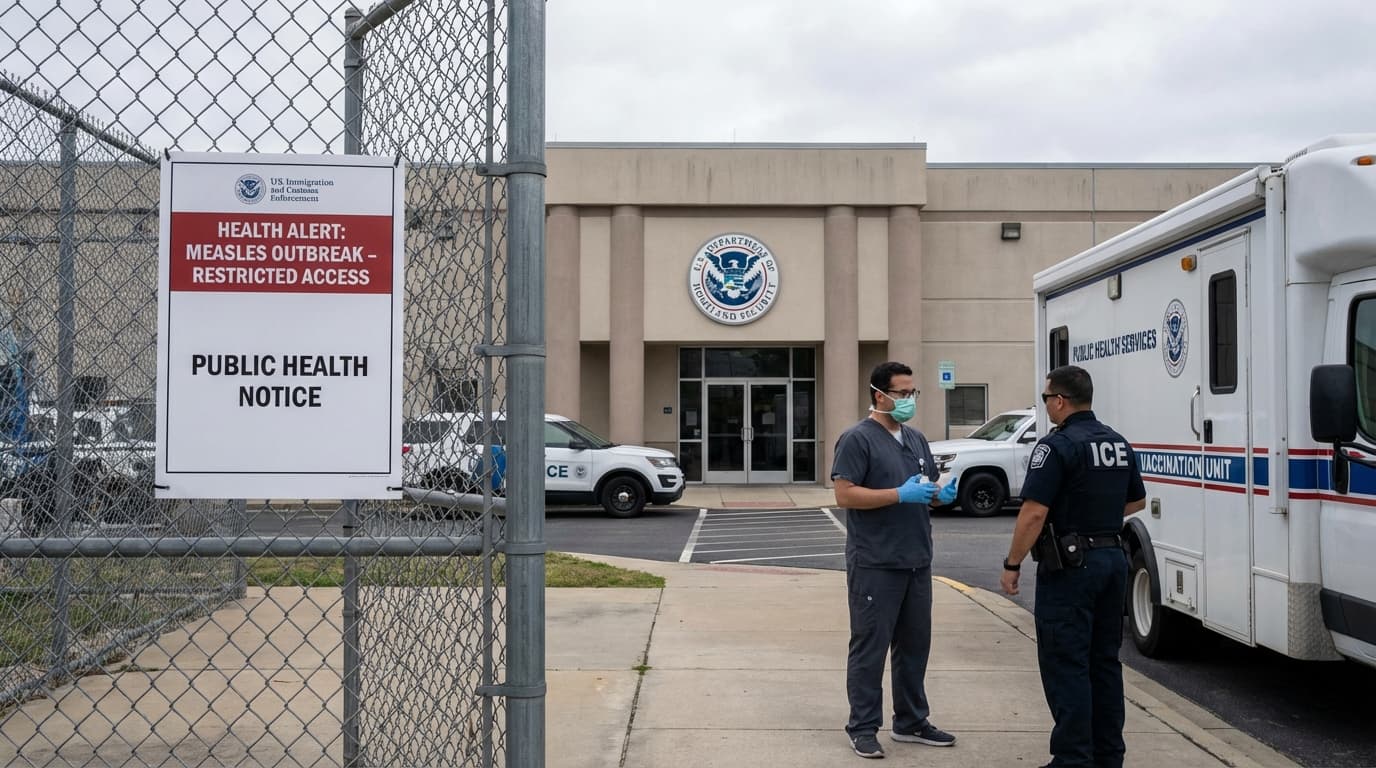
Measles Outbreak Confirmed at Two ICE Detention Facilities: Public Health Concerns

Recent news confirms measles infections at two Immigration and Customs Enforcement (ICE) detention facilities. This development highlights ongoing challenges in disease prevention and control within congregate settings, especially among immigrant detainees who may face barriers to healthcare access.
The confirmation of measles cases at two ICE detention facilities underscores critical public health challenges within such congregate environments. Measles, a highly contagious viral disease, poses serious risks for outbreak propagation, particularly in settings where close contact among individuals is unavoidable.
Detention centers often house populations with diverse healthcare needs and varying vaccination histories. These factors, combined with limited access to preventive healthcare and potential delays in case identification and isolation, can facilitate disease spread. The recent cases serve as a stark reminder of the necessity for rigorous infectious disease control and vaccination strategies in these settings.
Measles is known for its high transmissibility and potential for severe complications, especially in populations with compromised health or undernutrition. Outbreaks in detention facilities can also have broader public health implications, facilitating introduction and further transmission within surrounding communities through staff and released detainees.
The occurrence of measles in ICE facilities reflects a larger context of public health in immigration detention, where barriers to timely healthcare and institutional constraints can hinder effective communicable disease management. This situation calls for enhanced collaboration between health authorities, detention management, and public health experts to ensure robust surveillance, vaccination programs, and access to necessary medical treatments.
Moreover, the incident draws attention to broader issues related to the health and wellbeing of immigrant populations. Concerns over timely treatment, vaccination coverage, and trust in healthcare systems are critical to address, ensuring that detainees receive appropriate preventive and therapeutic services.
Stakeholders advocate for increased transparency and regular health reporting in detention centers to better monitor and respond to infectious disease outbreaks. Additionally, preventative strategies should prioritize vaccination of all residents and staff to contain outbreaks and protect vulnerable individuals.
In summary, the measles outbreak at two ICE detention facilities highlights persistent public health challenges in confined settings housing vulnerable populations. Effective disease control measures, comprehensive vaccination campaigns, and healthcare access are essential measures to prevent and mitigate such outbreaks moving forward.
Source: STAT News
Join the BioIntel newsletter
Get curated biotech intelligence across AI, industry, innovation, investment, medtech, and policy delivered to your inbox.