Medicaid’s Next Performance Test: Can Plans Reach the Members They’re Accountable For?

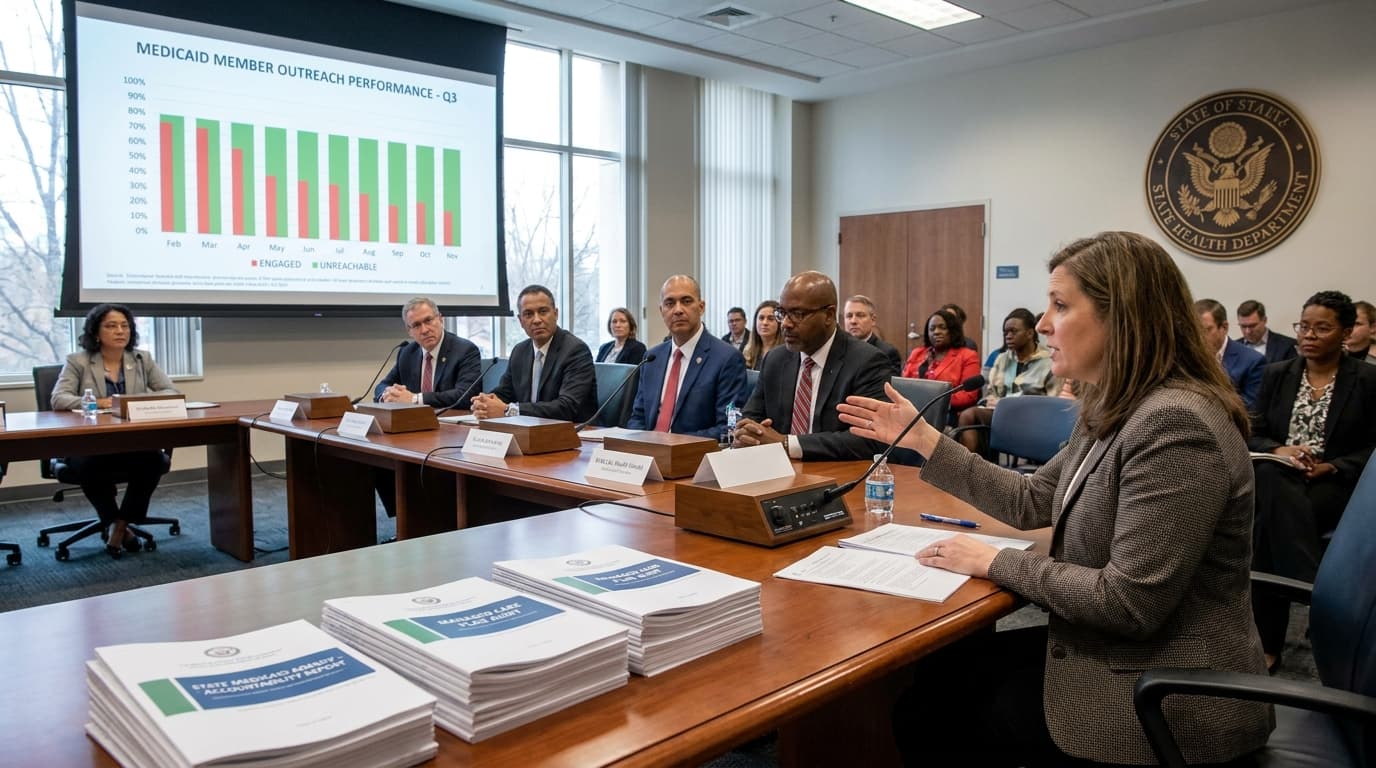
While Medicaid has expanded coverage and services, the real test for plans is increasingly about meaningful connection with their highest-need members. Outreach effectiveness, not just service provision, is now emerging as the next major frontier in performance assessment for public health insurers.
In the ever-evolving landscape of Medicaid, challenges persist not only in the breadth of services offered but, more crucially, in the system's ability to reach its highest-need members. As Medicaid’s structure has evolved over time, state agencies and managed care organizations have partnered in an effort to ensure that more vulnerable populations have access to the care and services required for their well-being. However, the difference between theoretical coverage and realized benefit often depends on the effectiveness of communication and outreach—a hurdle that is beginning to define the next performance frontier for Medicaid plans across the United States.
The Myth of Service Sufficiency
For many of Medicaid’s most vulnerable enrollees—including individuals with complex chronic conditions, mental health needs, or unstable housing—the core problem is no longer that essential services do not exist. Decades of investment and policy expansion have dramatically broadened the Medicaid benefit portfolio. But as agencies and plans celebrate these milestones, a new gap has come into focus: the disconnect between what is available and whom it actually reaches.
This disconnect becomes especially stark among members who shift residences frequently, have limited English proficiency, or experience social barriers such as food insecurity or lack of access to reliable technology. For such populations, traditional assumptions about member engagement simply don’t hold. The persistent challenge is that the system can’t consistently reach the people who need those services the most, making it difficult to measure the true impact of taxpayer investments in Medicaid.
Outreach: The New Performance Test
With Medicaid representing a critical safety net for tens of millions of Americans, state Medicaid agencies are sharpening their focus on how well plans can actually find, inform, and support members—beyond simply enrolling them or offering services on paper. This means performance metrics are shifting, with new weight given to measures of outreach success, not just utilization rates or clinical quality.
Managed care plans, which now cover the majority of Medicaid participants, are increasingly being held to higher standards regarding member engagement. States want to know: How effective are health plans at contacting hard-to-reach individuals? Are plans following up after emergency room visits, not just logging the event? What innovative strategies are being deployed to find those who have dropped off the radar or slipped through the cracks?
Barriers to Effective Interaction
Several persistent barriers make this task far more complicated than it may appear. Contact information for Medicaid recipients is often outdated, especially following economic dislocation or changes in eligibility. Many recipients lack consistent access to a phone or a stable address. Language barriers, mistrust of institutions, and competing life priorities can further impede effective communication. While technology campaigns—such as text messaging or mobile app notifications—have shown promise with certain demographics, they can also deepen exclusions if not carefully calibrated for equity and accessibility.
Innovative Outreach Models
To address these challenges, health plans are piloting multi-pronged outreach strategies. Some deploy community health workers or care coordinators who are embedded in high-need neighborhoods, attempting to augment digital efforts with face-to-face connections. Others leverage partnerships with local organizations—food banks, shelters, cultural centers—to gain trust and create a sense of safety for members wary of health system contact.
Some states are also experimenting with incentive structures that reward plans for not just completing outreach attempts, but for achieving evidence of meaningful member engagement—such as confirmed connections with members at risk of preventable hospitalization or care abandonment.
Measuring and Tracking Engagement
A critical component of evaluating outreach is moving beyond the mere counting of attempts or touches. Performance measures are being recalibrated to focus on quantifiable engagement—such as successful telephonic or in-person contacts following high-risk events, scheduling and confirmation of follow-up visits, or documentation of a patient’s ability to access and understand their care plan.
Additionally, new data sharing and interoperability initiatives are attempting to close information gaps between health departments, managed care organizations, and provider networks to ensure more coordinated, holistic tracking of outreach and follow-up activities.
The Stakes for Public Health
Why does this matter? The costs of failed outreach are high. Missed connections often mean missed opportunities for prevention, disease management, and early intervention. When high-need members fall through the cracks, problems that could have been resolved at lower cost and lower acuity turn into expensive emergency room visits or hospitalizations, straining both the health system and Medicaid budgets.
High-demand periods, such as public health emergencies or economic downturns, can exacerbate these challenges. Outreach failures become magnified when communication with vulnerable populations is most urgently needed.
The Road Ahead: Policy and Accountability
Policymakers are converging around the view that plans must be more than passive intermediaries—they must demonstrate proactive, effective member outreach if they are to justify their role (and payment) in public programs. Accountability mechanisms, including financial incentives or penalties tied to outreach performance, could soon become more common features of state Medicaid contracts.
At the same time, stakeholders are calling for more research into the most effective outreach strategies, tailored to different communities and risk profiles. Addressing the digital divide, cultural competency, and social determinants of health will be central to any successful outreach metric.
Conclusion: A New Era for Medicaid Performance
As Medicaid evolves in both scope and complexity, the next performance test facing public insurers is not simply about providing services, but about ensuring that those most in need are actually reached and engaged. Plans that rise to this challenge will not only improve care and outcomes but may also demonstrate a more responsible use of public funds, ultimately strengthening the safety net as a whole. The true measure of Medicaid’s effectiveness in the coming years may rest not just on what the system offers, but on how well it can reach, connect with, and empower its most vulnerable members.
Join the BioIntel newsletter
Get curated biotech intelligence across AI, industry, innovation, investment, medtech, and policy delivered to your inbox.