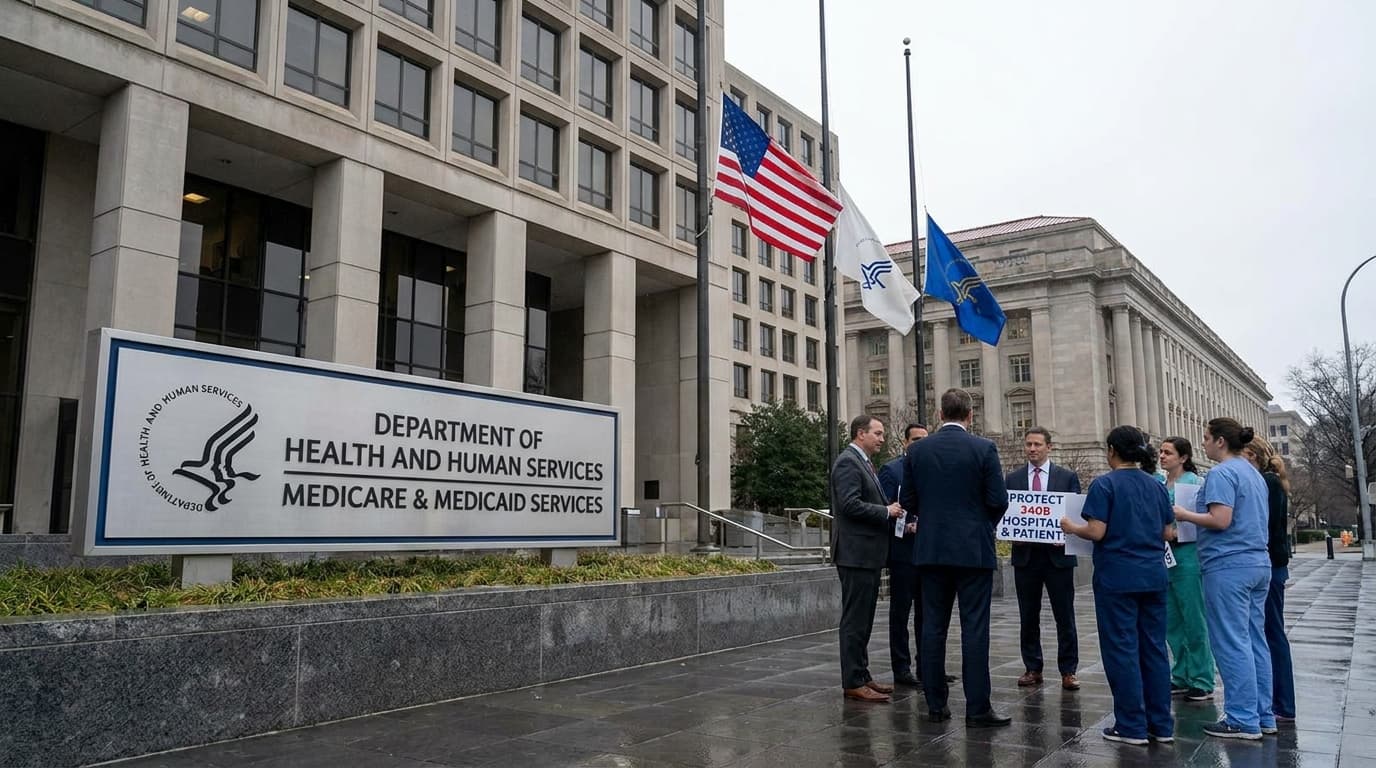
Medicare Seeks Further Cuts to 340B Drug Program: Implications for Hospitals and Patients

Medicare’s renewed proposal to lower payments for 340B drugs is the latest in a string of regulatory controversies surrounding the hotly debated program. With stakeholders divided on the financial impacts to hospitals and the accessibility of care for vulnerable populations, this move is likely to shape policy, hospital strategy, and patient access for years to come.
Medicare Takes Another Swing at 340B Cuts to Hospitals
Understanding the 340B Drug Discount Program
The 340B Drug Pricing Program is a critical piece of the U.S. healthcare policy framework, originally designed to help hospitals and clinics serving the most vulnerable populations to access outpatient drugs at discounted prices. This initiative was created to stretch scarce federal resources as far as possible, enabling eligible organizations to provide a broader range of services. Over time, however, the 340B program has come under increasing scrutiny from politicians, regulators, pharmaceutical manufacturers, and the hospitals themselves. As one of the more controversial and often politicized federal safety net programs, any change to its structure sends ripples across the entire healthcare system.
The Latest Proposal: Context and Content
According to a recent report, Medicare is now taking yet another swing at cutting payments for drugs purchased under the 340B program. This effort is the latest proposal centered on the frequently debated drug discount arrangement. While the details of the newest proposition have yet to be made fully public, past attempts have typically focused on reducing reimbursement rates paid to hospitals for drugs acquired at the lower 340B prices. The goal, from Medicare’s perspective, is to ensure that cost savings intended for patient care do not simply increase institutional profits.
A Polarizing Debate: Stakeholder Perspectives
The issue is contentious and multifaceted. On one hand, proponents of the cuts—often policymakers, certain insurer groups, and consumer advocates—argue that the current system allows for substantial windfall profits for hospitals. They maintain that, after purchasing discounted drugs under 340B, many hospitals bill Medicare and other payers at standard, higher rates, thus pocketing the difference. Critics suggest that these financial margins may not always be directed to direct patient benefit or to serve vulnerable populations as intended by the program’s original vision.
On the other hand, hospital systems—particularly those in rural or low-income urban areas—defend the resource allocation, stating that revenue from 340B participation is vital for keeping their doors open and for providing critical, uncompensated care. For these organizations, the possibility of losing 340B savings represents a stark threat to viability, particularly in a climate characterized by thin operational margins and growing numbers of uninsured or underinsured patients.
Historical Precedents and Legal Developments
It’s important to note that this isn’t the first time Medicare has pursued payment reductions for 340B drugs. A protracted tug-of-war has played out over several years. Previous attempts to implement steep reimbursement cuts were met with a wave of lawsuits from hospital associations and, in some cases, legal victories for the hospital groups. Court decisions have pivoted around questions of congressional intent, administrative authority, and statutory interpretation, resulting in a regulatory back-and-forth that leaves providers, patients, and manufacturers bracing for continued uncertainty.
Implications for Hospitals
Healthcare facilities participating in 340B often depend on program savings to maintain a slate of community services ranging from free clinics, mobile health units, chronic disease management, and mental health programs. For rural hospitals, which have been closing at record rates over the past decade, even small decreases in reimbursement can have outsized impacts. The fear among healthcare providers is that aggressive cuts could force service reductions or even closures, further eroding the already fragile safety net for millions of Americans.
Patient Access and Health Equity
Perhaps most concerning is the potential for patient care to suffer. Hospitals operating on razor-thin budgets may have no choice but to trim offerings or lay off personnel in response to tighter margins. This could lead to longer travel times for patients seeking care, diminished access to specialty drug treatments, and subsequent declines in health outcomes—particularly for low-income and medically underserved patients.
The Economic Angle: Pharma, Insurers, and Market Responses
The pharmaceutical industry, whose products fuel the 340B program, has long argued that siphoning off substantial revenue through the system distorts the broader economics of healthcare and drug pricing. Industry advocates suggest that ensuring greater transparency and tying program savings more directly to patient benefit would solidify the program's legitimacy while curbing abuse. Meanwhile, payers often see any reduction in drug-related expenditures as a necessary check on healthcare inflation—but such moves can have unpredictable effects on competition, cost-shifting, and innovation.
Political Ramifications and the Road Ahead
With Medicare wading back into one of healthcare’s fiercest battlegrounds, the debate is certain to attract considerable political attention. Advocacy groups representing hospitals and patients are likely to mount vigorous campaigns, while lawmakers—many from states with struggling rural healthcare systems—may be forced to choose sides in the run-up to the next budget cycle. The final shape of any new rule will likely hinge on a combination of lobby power, judicial review, and the capacity of stakeholders to marshal public opinion.
The Big Picture: Sustainability and Systemic Pressures
The controversy over 340B is just one facet of a much larger debate on sustainability in U.S. healthcare. Hospitals face mounting cost pressures, from workforce shortages to inflation and regulatory demands. Simultaneously, the federal government is seeking ways to curb spending growth without undermining the quality or accessibility of care. The 340B battle stands as a microcosm for the competing imperatives of cost containment, access expansion, and innovation support that define the healthcare policy landscape in 2026.
Conclusion: An Uncertain Future
As Medicare takes another swing at 340B cuts, the outcome remains murky. Any decisions made now will reverberate through hospital balance sheets, manufacturer contracts, payer negotiations, and, above all, patient experiences. Policymakers must navigate an intricate web of competing interests, legal constraints, and ethical obligations. Regardless of the decision’s specifics, this episode underscores the enduring complexity and perennially high stakes of U.S. healthcare regulation.
Source: STAT+: Medicare takes another swing at 340B cuts to hospitals
Join the BioIntel newsletter
Get curated biotech intelligence across AI, industry, innovation, investment, medtech, and policy delivered to your inbox.