Medicare’s Silence on GLP-1 Obesity Drug Coverage Raises Concerns Amid Massachusetts Legal Action

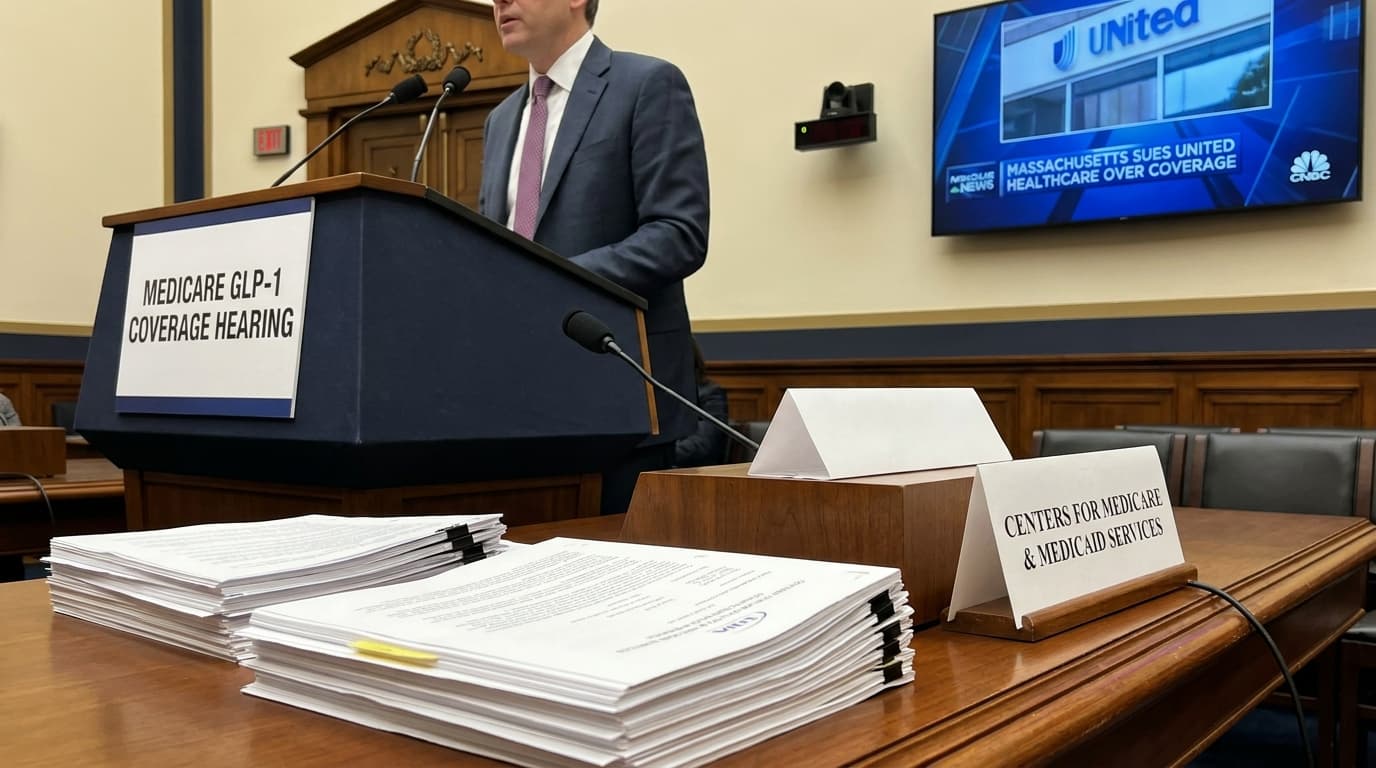
As Medicare prepares to offer GLP-1 drugs like Wegovy and Zepbound to older adults for $50 a month beginning in July, the agency remains silent on how this program will impact taxpayer costs. Simultaneously, Massachusetts has filed a lawsuit against United Healthcare, escalating healthcare coverage tensions in the state. These developments highlight the complex interplay between federal drug coverage policies and state-level healthcare regulatory actions.
The landscape of healthcare coverage in the United States is once again under intense scrutiny as Medicare continues to withhold details regarding the cost implications of covering GLP-1 obesity drugs for seniors. Despite announcing that older adults on Medicare can access these drugs, such as Wegovy and Zepbound, for a subsidized price of $50 per month starting in July, the agency has not provided transparency about the program’s overall financial impact on taxpayers.
This lack of disclosure has drawn criticism from policymakers, healthcare economists, and patient advocacy groups who stress the importance of understanding the sustainability and fiscal responsibility of such coverage expansions.
The conversation around GLP-1 drugs is situated within wider debates on obesity management, drug pricing, and insurance coverage policies. GLP-1 receptor agonists have emerged as significant pharmacological tools in the fight against obesity due to their efficacy in weight reduction, but their high costs pose challenges for widespread accessibility.
Meanwhile, Massachusetts has escalated tensions in the healthcare arena through a legal suit targeting United Healthcare, reflecting broader conflicts over insurance practices, coverage disputes, and state regulatory oversight.
The lawsuit underscores ongoing friction between state health authorities aiming to protect consumers and large private insurers whose policies significantly affect patient access and costs. Massachusetts’ legal action may set precedents influencing similar regulatory battles across the country.
This dual scenario—Medicare's cautious approach to cost transparency and Massachusetts' aggressive legal response—illuminates the complexities of healthcare reform in the U.S. The balancing act between expanding access to innovative treatments and managing economic sustainability remains delicate.
Federal agencies like Medicare are under pressure to navigate these challenges while maintaining public trust through openness and careful policy design. Simultaneously, state-level actions such as Massachusetts' lawsuit demonstrate the proactive roles states play in advocating for healthcare consumer protections.
Experts emphasize that comprehensive strategies encompassing affordability, transparency, and stakeholder engagement are essential for the successful integration of novel obesity treatments into public health frameworks.
The evolving dynamics of this healthcare policy landscape will require close monitoring as more information becomes available and as legal proceedings progress.
For more detailed coverage, please visit STAT News: Medicare’s mum on GLP-1s, and Massachusetts sues United.
Join the BioIntel newsletter
Get curated biotech intelligence across AI, industry, innovation, investment, medtech, and policy delivered to your inbox.