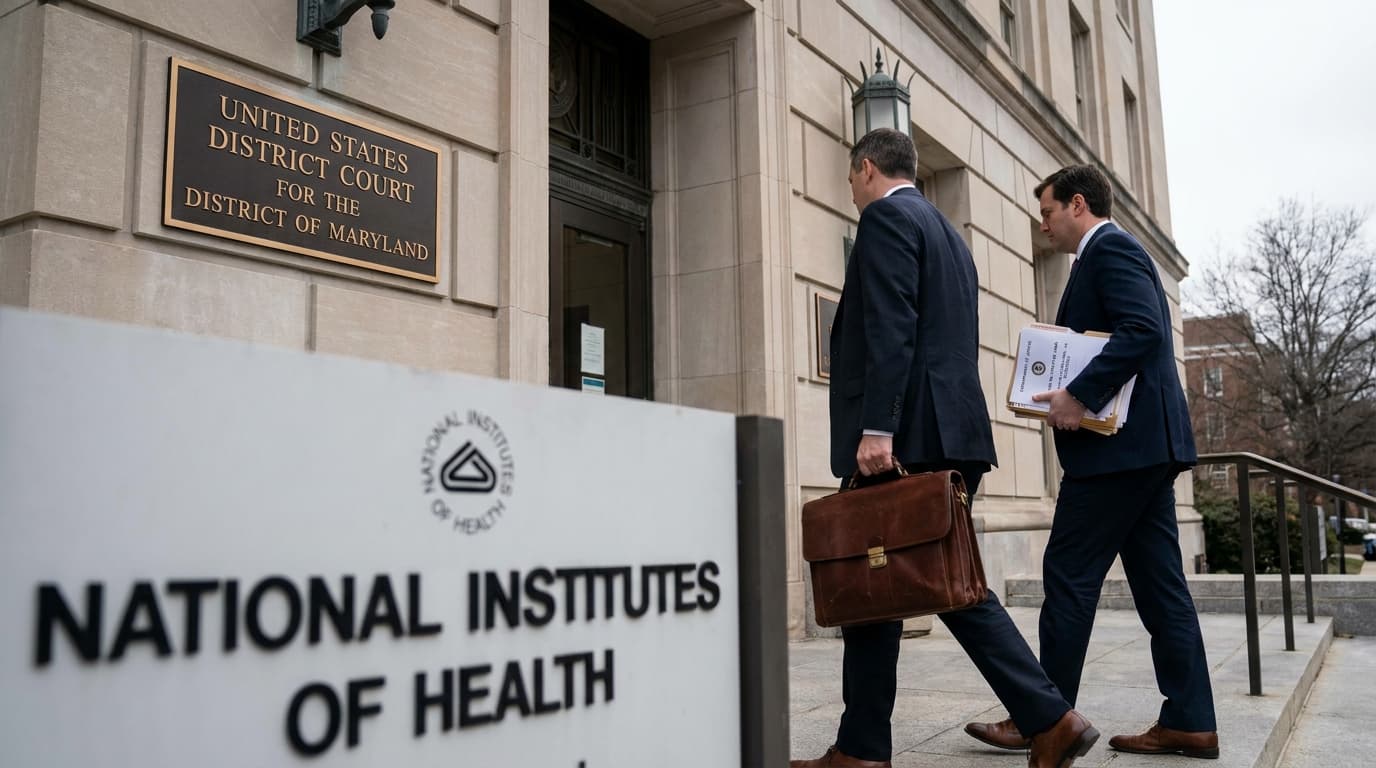
Senior NIH Scientist and Research Fellow Charged with Smuggling Deactivated Mpox Virus into the U.S.

The investigation reveals potential violations of biosafety and import regulations at one of the nation’s premier research institutions, raising serious concerns about pathogen handling protocols and national biosecurity measures.
The recent federal charges against a senior National Institutes of Health (NIH) scientist and his research fellow center around allegations of them unlawfully smuggling vials containing a deactivated strain of the mpox virus into the United States. According to reports from late May and early June 2026, these individuals are charged not only with importing the viral material without proper authorization but also with providing misleading information to authorities about the nature and contents of the shipments.
The mpox virus, related to the smallpox virus, has been a subject of intense scientific and public health interest, particularly after outbreaks across various parts of the world. While the virus samples in question were reportedly deactivated, their unauthorized importation raises critical questions about compliance with federal regulations governing the handling and transport of potentially infectious agents. These rules are designed to protect against biosecurity risks that could compromise public health and safety.
NIH, as a leading research institution, is held to rigorous standards for biosafety, and the charges against members of its staff suggest possible lapses in adherence to these standards. The investigation is ongoing, and federal authorities are scrutinizing documentation, shipping records, and internal protocols related to the transport of the virus samples.
This development has broader implications for the U.S. biomedical research community, emphasizing the importance of transparent and lawful handling of sensitive biological materials. It also underscores the challenges agencies face in monitoring and regulating the movement of pathogens, particularly as scientific research increasingly involves international collaboration and exchange of biological samples.
The charges, filed in early June 2026, have yet to be adjudicated, but they serve as a stark reminder of the legal and ethical responsibilities borne by researchers working with infectious agents. Further details regarding the case and any potential penalties or institutional responses are awaited. Meanwhile, NIH has reiterated its commitment to biosafety compliance and cooperation with federal investigations.
This case invites reflection on the balance between scientific freedom and regulatory oversight, highlighting the critical role that established procedures and clear communication play in safeguarding both scientific progress and public health.
For more information, please refer to the original coverage: Senior NIH scientist, research fellow charged with bringing deactivated mpox virus into U.S.
Join the BioIntel newsletter
Get curated biotech intelligence across AI, industry, innovation, investment, medtech, and policy delivered to your inbox.