Pediatricians Challenge RFK Jr.’s HHS Over Vaccine Policy Changes in Legal Battle

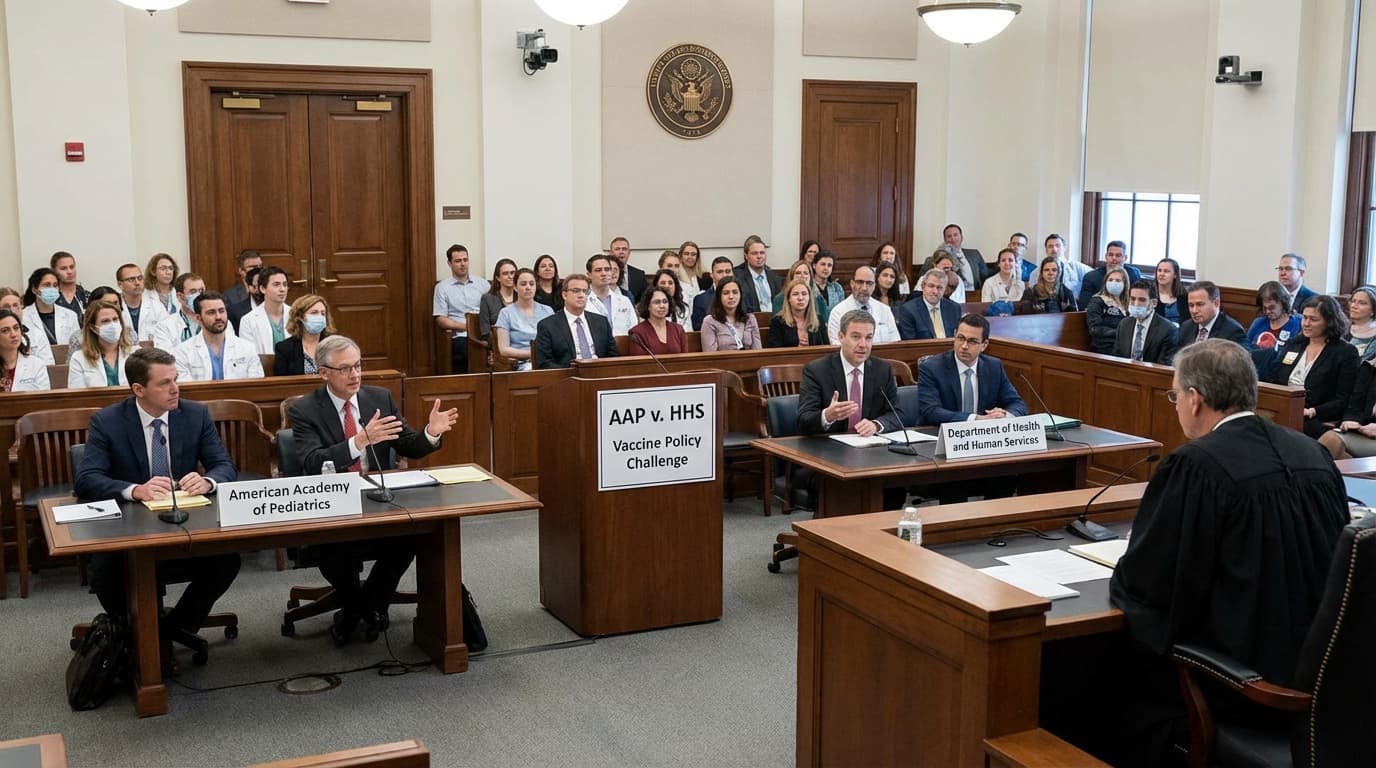
A high-profile courtroom dispute unfolded involving pediatricians' group contesting policy alterations made by HHS under Robert F. Kennedy Jr. The case centers on alleged unlawful modifications impacting vaccine protocols, sparking significant debate within public health and policy circles.
In a recent legal confrontation highlighting tensions within the U.S. healthcare policy arena, the American Academy of Pediatrics (AAP) has brought forth a lawsuit challenging changes to vaccine policies implemented by the Department of Health and Human Services (HHS) during the leadership of Robert F. Kennedy Jr. The dispute, discussed in a packed Boston federal courtroom, underscores sharply divergent views on vaccine governance and public health safeguards.
The core of the lawsuit questions whether HHS, under Kennedy’s direction, made unlawful and improper modifications to existing vaccine policies. These policy changes, put forth through the Advisory Committee on Immunization Practices (ACIP), are critical as they establish guidelines for vaccine recommendations, schedules, and usage across healthcare providers in the United States.
Given the sensitive nature of vaccine policy and its profound implications for public health, pediatricians as frontline providers have expressed deep concerns about the newly introduced regulations. The AAP, representing a broad network of pediatric healthcare professionals, argues that the adjustments undermine established scientific and clinical standards necessary for effective immunization practices.
During oral arguments, the court was densely packed with stakeholders, reflecting the high stakes involved—not just in terms of legal outcomes but also for public trust in vaccine programs nationwide. The judge, however, refrained from issuing an immediate ruling from the bench, signaling that a thorough review of the complexities will be necessary before any final judgement.
This legal action fits into a broader context of controversy surrounding RFK Jr.'s tenure at HHS, noted for his outspoken critiques and policy directions that diverge significantly from mainstream public health positions. The vaccine policy changes are part of wider department actions that have prompted responses from various medical and scientific organizations concerned about public safety and healthcare integrity.
The implications of this court case extend beyond immediate regulatory frameworks, touching upon the trust between public health authorities, healthcare providers, and the communities they serve. Vaccine hesitancy and misinformation remain critical challenges, and policy stability is considered vital in maintaining coherent and effective immunization campaigns.
The ongoing litigation also reflects the dynamic nature of healthcare governance at the federal level, where shifting priorities, leadership changes, and legal interpretations continuously influence policy landscapes. For pediatricians and patients alike, the resolution of this case will have significant bearings on how vaccine practices evolve going forward.
In conclusion, the courtroom showdown underscores the critical interplay between science, policy, and law in shaping healthcare delivery. The American Academy of Pediatrics' stance exemplifies the medical community's vigilance in upholding evidence-based practices and ensuring that modifications to vaccine protocols adhere strictly to legal and scientific standards.
As the case progresses, all eyes remain on the federal judiciary to navigate this complex matter that lies at the heart of public health and regulatory governance.
Join the BioIntel newsletter
Get curated biotech intelligence across AI, industry, innovation, investment, medtech, and policy delivered to your inbox.