Scientific Insights into PFAS Contamination in Infant Formula: Analyzing FDA Data

Studies and FDA reports indicate the presence of 'forever chemicals' in infant nutrition products, prompting scientific scrutiny and discussions about regulatory thresholds and consumer safety in 2026.
The issue of per- and polyfluoroalkyl substances (PFAS), colloquially known as 'forever chemicals,' continues to be a significant environmental and public health concern. In 2026, new reports and FDA safety results indicate that PFAS residues remain detectable in some infant formula products. This raises critical questions about exposure risks to infants, a highly sensitive demographic, and the adequacy of current regulatory standards and manufacturing practices.
What are PFAS and Why Are They Concerning?
PFAS are a group of man-made chemicals widely used since the mid-20th century in various industrial and consumer products including non-stick cookware, waterproof fabrics, firefighting foams, and food packaging. Their strong carbon-fluorine bonds confer remarkable stability and resistance to degradation, leading to their nickname 'forever chemicals.'
Due to their persistence, PFAS accumulate in the environment and biological systems, posing potential health risks. Exposure has been linked to various adverse effects including developmental issues, immune system impacts, hormonal disruption, and increased risk of certain cancers.
FDA's Investigation and Analytical Findings
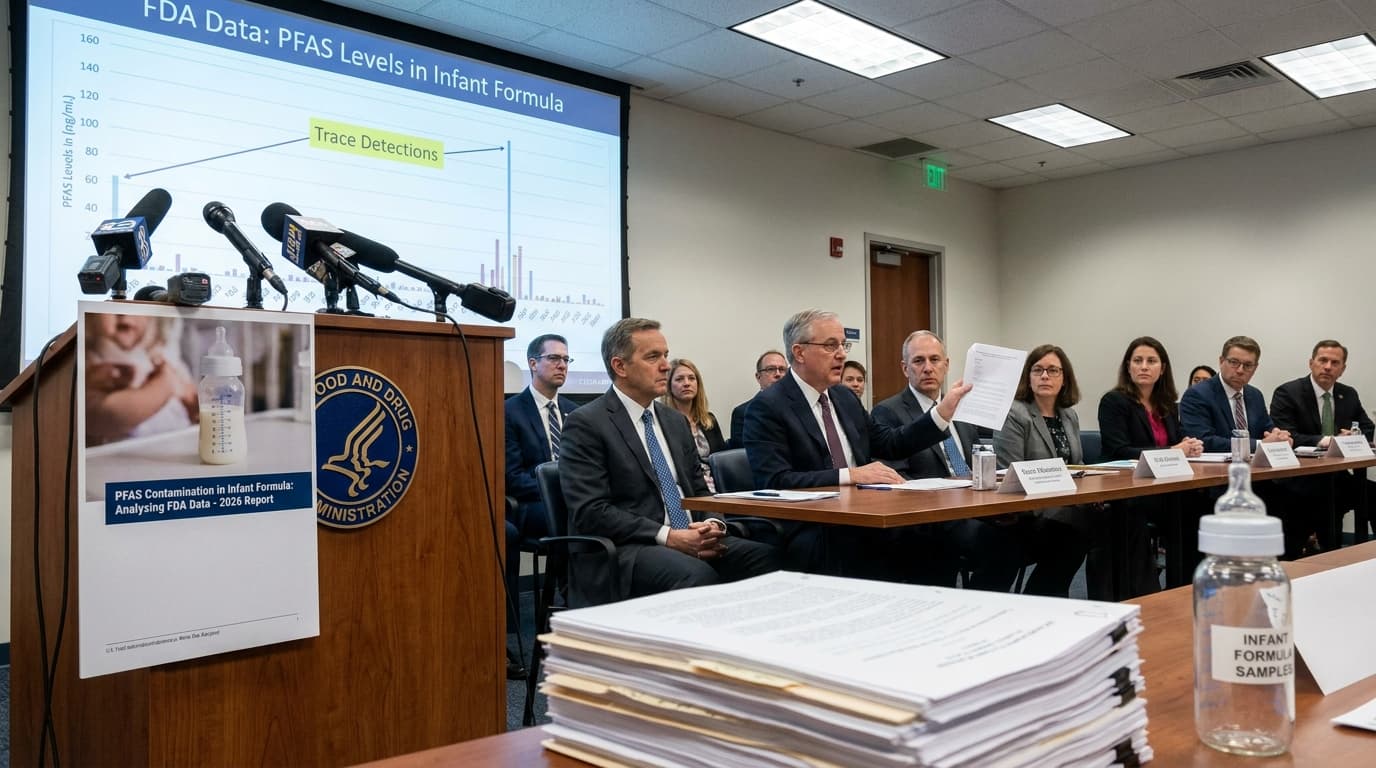
The FDA conducted extensive testing on infant formulas available in the market to assess PFAS contamination levels. The findings demonstrate trace amounts of specific PFAS compounds in some samples. These detections confirm that despite manufacturing controls, contamination risks persist, potentially from environmental sources or packaging materials.
While the measured PFAS levels remain mostly below established safety thresholds, the presence of these chemicals in products intended for infants is particularly noteworthy due to infants' unique physiology and vulnerability.
Scientific Interpretation and Public Health Implications
Analysts and toxicologists emphasize the need for continuous monitoring and more refined analytical techniques to capture the full spectrum of PFAS compounds. The complexity of these chemicals and their mixtures poses challenges for risk assessment.
Regulatory agencies and manufacturers must balance the urgency of reducing PFAS exposure with practical considerations in supply chains and formulation processes. Enhanced transparency, improved sourcing standards, and innovative mitigation technologies are under discussion to address contamination risks.
Moving Forward: Policy and Industry Response
The persistence of PFAS in infant formula highlights broader issues around chemical contamination in the food supply. Policymakers are considering stricter regulatory limits, enhanced disclosure requirements, and incentivization of safer alternative materials.
Manufacturers are exploring reformulation strategies and advanced testing protocols to minimize PFAS presence and maintain consumer trust.
This situation exemplifies the challenges of managing emerging contaminants in critical consumer products and underscores the importance of science-driven regulatory policies to safeguard public health.
Source: ‘Forever chemicals’ in baby formula? Scientists unpack FDA results
Join the BioIntel newsletter
Get curated biotech intelligence across AI, industry, innovation, investment, medtech, and policy delivered to your inbox.