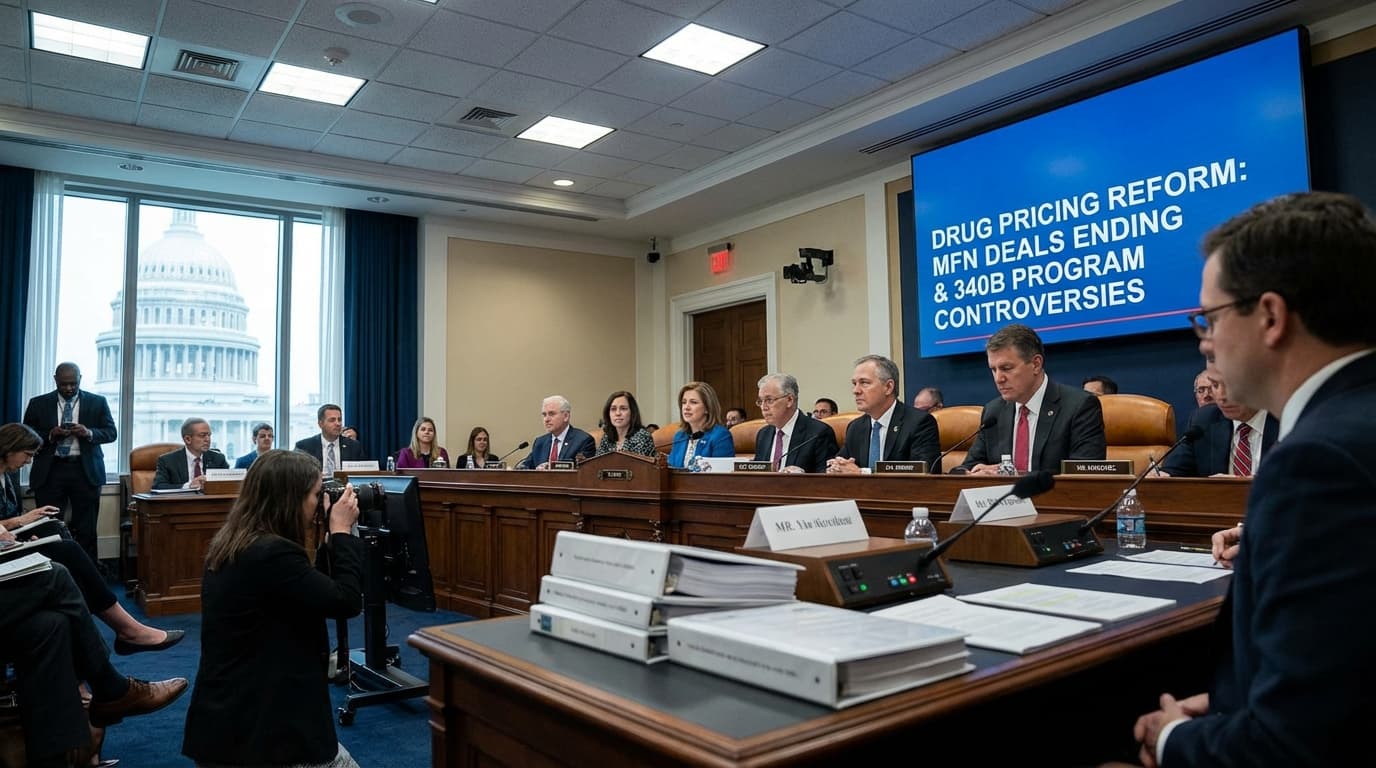
Pharma Industry Faces Turning Point as Trump-Era MFN Drug Pricing Deals End Amid 340B Program Controversies

The expiration of several most-favored nation (MFN) drug pricing deals established during the Trump administration marks an inflection point for pharmaceutical manufacturers and healthcare payers. Meanwhile, the 340B drug discount program remains under scrutiny for its financial flows and impact on healthcare providers. These developments underscore evolving challenges in drug pricing and policy in the U.S. healthcare ecosystem.
Introduction
Drug pricing remains a critical and contentious issue in the U.S. healthcare system. A recent wave of policy shifts has spotlighted the expiration of 'most-favored nation' (MFN) drug pricing deals, initiated during the Trump administration, alongside ongoing debates surrounding the 340B drug discount program. These intersecting developments highlight the intricate balance between pharmaceutical pricing strategies, federal regulations, and healthcare provider reimbursements.
The MFN Drug Pricing Deals: Background and Expiration
During the Trump administration, a pivotal policy was introduced requiring drugmakers to offer the U.S. government prices equivalent to the lowest price offered to comparable countries—termed most-favored nation pricing. This approach aimed to reduce U.S. drug costs by leveraging pricing differentials seen internationally.
The deals, involving 16 drugmakers, were structured with a fixed contract duration, typically three years. According to recent Securities and Exchange Commission (SEC) filings, several of these arrangements have reached their term limits and are now expiring.
This expiration creates uncertainty for stakeholders. Pharmaceutical companies must now navigate the transition back to prior pricing models or renegotiate arrangements. Meanwhile, payers and patients may face price fluctuations as the MFN pricing protections lapse.
Controversies Surrounding the 340B Drug Discount Program
Parallel to the MFN deal developments, the 340B program continues to evoke debate. Established to help health safety-net providers secure discounted outpatient drugs, the program has grown significantly, but questions remain about its current structure and financial distribution.
A recent report from Minnesota revealed that large hospitals continue to dominate 340B revenues, reaping substantial funds—at least $1.34 billion in 2024 alone. This concentration has prompted concerns that the program may not be effectively targeting the intended vulnerable patient populations.
Conflicts persist regarding the extent to which savings from 340B discounts are passed on to patients, or are instead used to bolster hospital revenue streams. These issues have triggered scrutiny from policymakers, providers, and advocacy groups alike.
Industry Impact and Responses
The end of MFN deals and the controversies over 340B program implementation together present a complex landscape for pharma companies. Manufacturers face challenges in balancing market access, pricing strategy, and regulatory compliance amid these evolving conditions.
Additionally, some drugmakers and industry experts express caution regarding potential repercussions from any regulatory shifts in either domain. Strategic adaptations in pricing, marketing, and partnership models may be necessary to maintain competitiveness and fulfill payer requirements.
Broader Implications for Healthcare Policy
These developments unearth broader questions about drug pricing policy efficacy in the U.S. The MFN pricing strategy, while intended to reduce disparities, has shown limitations and implementation complexities. Similarly, the 340B program’s original objectives contrast with how the program's benefits are currently realized.
Reform discussions are likely to incorporate lessons learned from these policies. Legislative and administrative bodies may pursue adjustments aimed at enhancing transparency, improving patient affordability, and ensuring that programs target patient care improvements rather than profitability alone.
Future Outlook
Looking ahead, stakeholders will closely observe how the pharmaceutical market and healthcare providers adjust to the post-MFN deal environment. Renewed attention to 340B program reforms is anticipated, particularly in light of financial audits and policy criticisms.
Collaboration across government agencies, industry, and healthcare organizations will be vital to crafting balanced solutions that foster innovation, manage costs, and protect vulnerable populations.
Conclusion
The expiration of Trump-era MFN drug pricing deals combined with ongoing 340B program controversies signals a transformative period for drug pricing and healthcare regulation. These shifts underscore the need for nuanced policy approaches to navigate the complexities of pharmaceutical economics and patient access in the evolving U.S. healthcare system.
Source: Pharmalittle: We’re reading about Trump’s MFN deals, 340B program controversies, and much more
Join the BioIntel newsletter
Get curated biotech intelligence across AI, industry, innovation, investment, medtech, and policy delivered to your inbox.