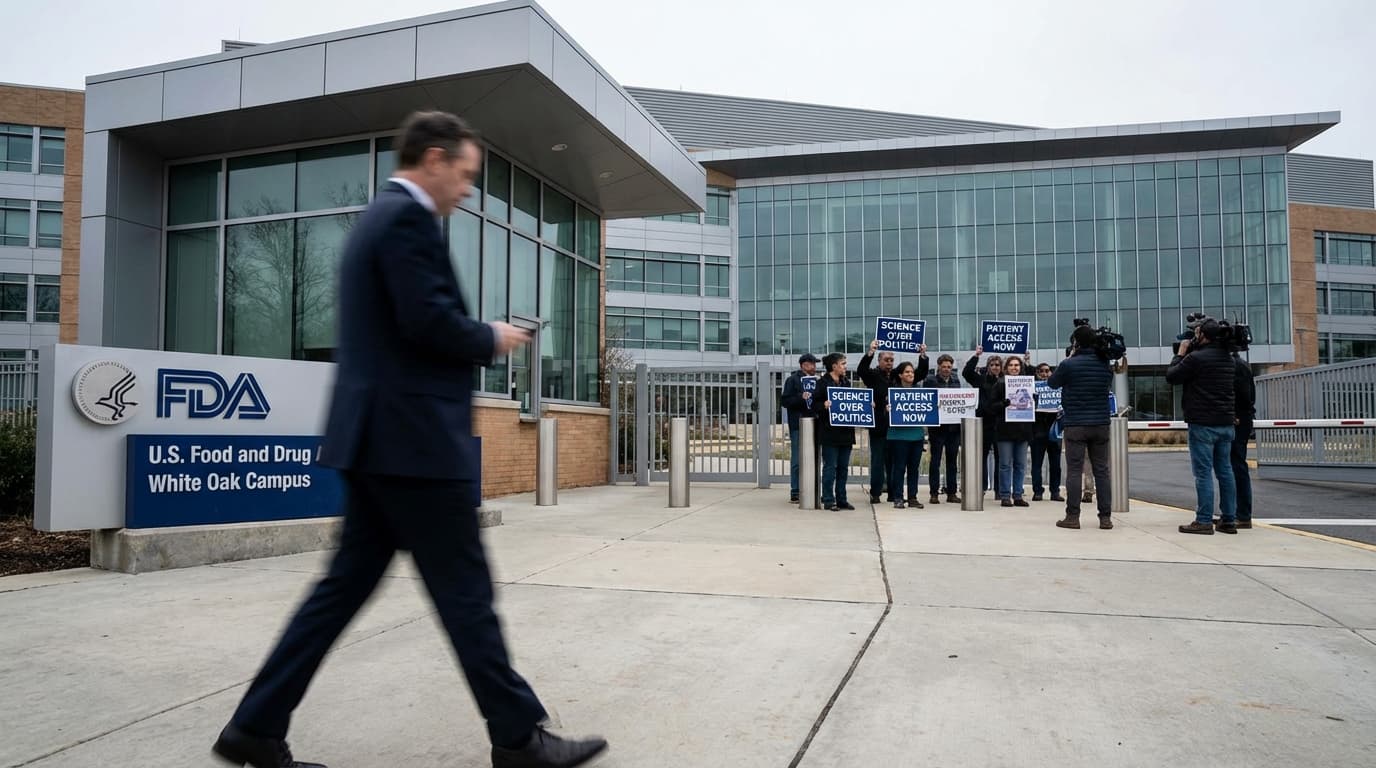
Political Influence Challenges FDA’s Role in Rare Disease Therapeutics Development

The FDA stands at a critical crossroads in managing the evolving landscape of individualized therapies for rare diseases. Robert Califf, a former commissioner, underscores how political influence under President Trump seriously compromised the agency's decision-making rigour. Such pressures risk delaying or derailing promising new treatments essential for patients with rare conditions.
The development and approval of individualized treatments for rare diseases represent one of the most hopeful frontiers in modern medicine. Over the next decade, hundreds of such innovative therapies could become available, potentially transforming patient outcomes and redefining standards of care. However, the regulatory environment governing these advances profoundly affects their pace and accessibility.
Recently, the former FDA commissioner Robert Califf spoke candidly about the serious challenges posed by political influences during the Trump administration. He emphasized that these external pressures compromised the FDA’s ability to independently and rigorously evaluate new therapeutics, particularly in the rare disease space. Such interference, according to Califf, threatens to undercut the agency's credibility and delay critical drug approvals.
This political climate at the FDA not only affects regulatory efficiency but also raises concerns about patient safety and therapeutic innovation. Califf's observations reflect broader anxieties within the biopharmaceutical community regarding the integrity of scientific review processes under politically charged environments.
Rare disease therapies often require nuanced, case-specific regulatory approaches due to their complexity and the small patient populations they serve. The intersection of politics with these sensitive regulatory decisions risks undermining carefully calibrated frameworks designed to balance innovation with safety.
Looking ahead, the FDA's ability to navigate and insulate itself from political influences will be paramount for sustaining momentum in rare disease drug development. Ensuring transparent, science-driven regulatory pathways will encourage continued investment and innovation in therapies that serve some of the most vulnerable patient populations.
The insights from Califf not only serve as a cautionary tale of the past but as a call to action for stakeholders to safeguard the agency's independence. As rare disease therapeutics continue to evolve toward more personalized approaches, maintaining a regulatory environment that is both rigorous and resilient to external pressures will be crucial for delivering on the promise of these medical advances.
Authors and analysts across the health industry are watching closely how recent political dynamics at the FDA could shape the future landscape of drug development and patient access to cutting-edge treatments.
Source: STAT News
Join the BioIntel newsletter
Get curated biotech intelligence across AI, industry, innovation, investment, medtech, and policy delivered to your inbox.