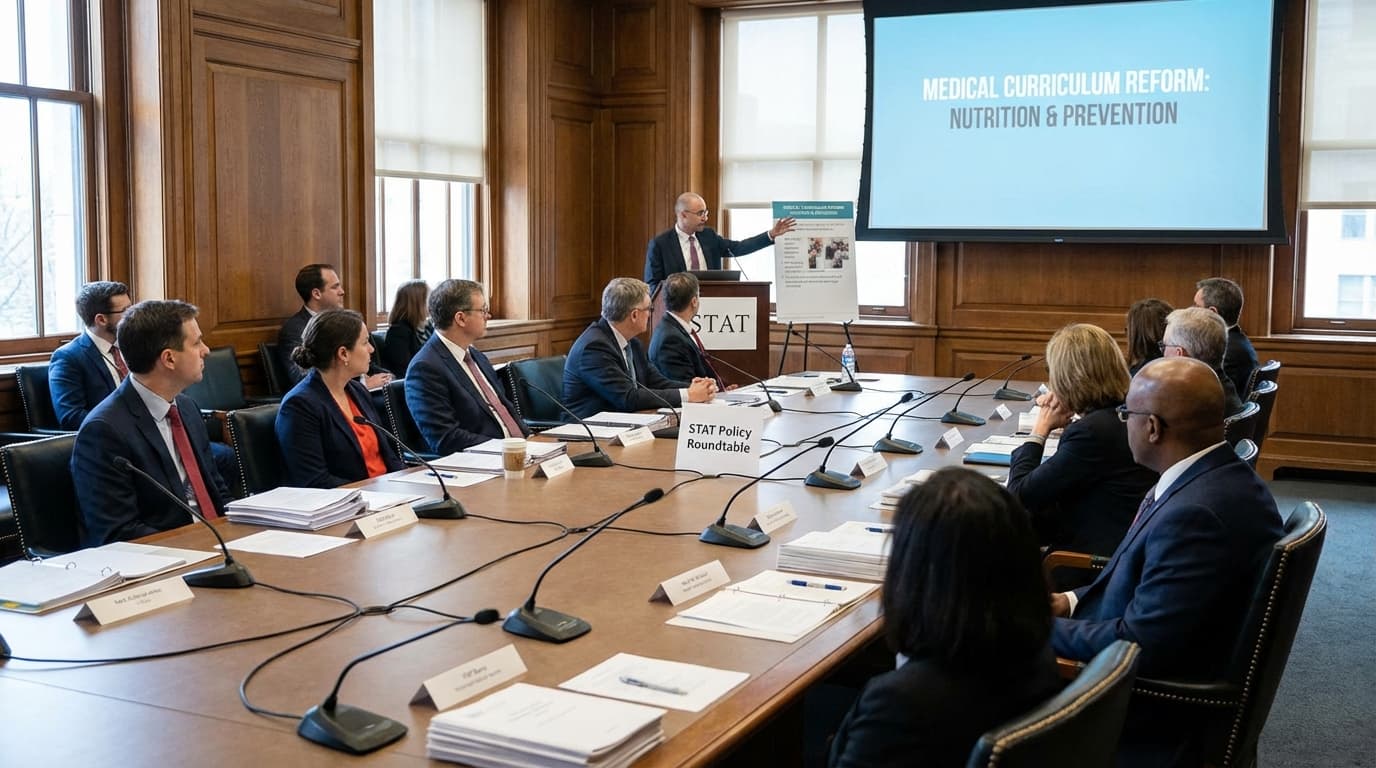
Diverse Public Perspectives on Nutrition Education in Medical School

Nutrition education in medical school remains a topic of public debate, raising questions about its adequacy and role in prevention care. Diverse opinions challenge assumptions and call for deeper analysis of educational impacts on healthcare outcomes.
Nutrition education has often been identified as a critical component of medical training, especially given its potential impact on preventive healthcare practices. Yet, there remains ongoing public discussion about whether the current approach in medical schools is sufficient to address broader health challenges related to diet and lifestyle.
A recent opinion piece in STAT sparked reflection among readers regarding this issue. One reader posed the question: “Is ‘lack of education’ really what we think the problem is in prevention care?” This query invites a nuanced exploration beyond conventional beliefs about nutrition education deficits.
On one side, advocates emphasize that medical students often receive limited formal instruction about nutrition's role in chronic disease prevention and management. This, they argue, contributes to gaps in clinician confidence and ability to counsel patients effectively, reducing the efficacy of prevention strategies at the clinical interface.
However, alternative views suggest that pinpointing education alone as the bottleneck may be overly simplistic. Broader systemic factors, such as healthcare delivery models, time constraints in clinical settings, patient socioeconomic determinants, and cultural attitudes toward diet and health, also critically influence prevention outcomes.
This dialogue raises important considerations for policymakers and educators. Should medical curricula be expanded to integrate more comprehensive nutrition training, or should efforts focus on augmenting healthcare structural supports that empower prevention?
Further, it is essential to recognize the diversity of contexts in which physicians operate globally, which may influence the applicability and design of nutrition education. Urban versus rural settings, access to dietetic resources, and interdisciplinary collaboration opportunities all shape the effectiveness of nutrition-related care.
Hence, public opinion reflects the complexity underpinning prevention in healthcare and underscores that no single educational reform is a panacea. Instead, a multifaceted approach tailored to systemic realities and patient populations may be required.
Ultimately, this discourse invites ongoing research to evaluate educational interventions alongside structural and social determinants, aiming to optimize prevention through integrated strategies. Engaging various stakeholders — including medical educators, clinicians, patients, and public health experts — will be critical to fostering evidence-based policy decisions and improving health outcomes.
This reflection contributes to the broader conversation about reforming medical education to better meet the evolving needs of populations and the healthcare ecosystem.
Join the BioIntel newsletter
Get curated biotech intelligence across AI, industry, innovation, investment, medtech, and policy delivered to your inbox.