Radiologists Demand Seamless AI: The Limits of Standalone Software in Diagnostic Imaging

Non-integrated AI tools are creating growing pains for radiologists, intensifying existing workflow challenges instead of solving them. This article unpacks the practical and systemic barriers as radiology moves toward AI-enabled diagnostics.
Introduction: The AI Revolution in Radiology—Promise and Pitfalls
Medical imaging is an area of clinical practice that has seen profound innovation, with advances in both scanning technology and digital workflow. Artificial intelligence (AI), heralded as the next great leap, promises to assist radiologists in diagnosing diseases more accurately and efficiently. However, as AI adoption accelerates, an underappreciated friction point is coming into sharper focus: the integration (or lack thereof) of AI tools within existing radiology workflows. Current implementations of AI often rely on standalone platforms that, rather than alleviating radiologists’ burdens, contribute new layers of complexity and disruption.
Workflow Complexity in Diagnostic Imaging
Radiology departments are hubs of information flow and clinical urgency. Each day, radiologists parse through volumes of patient images, correlate them with clinical data, and communicate critical findings to referring physicians. Historically, this process has been facilitated by the evolution of Picture Archiving and Communication Systems (PACS), Radiology Information Systems (RIS), and continuously refined workflow protocols.
With the promise of AI, many anticipated an era in which pattern recognition, anomaly detection, triage, and even automated report generation would accelerate diagnoses and free radiologists to focus on the most difficult cases or provide more personalized care. Yet the reality, according to emerging critiques and real-world experience, is more nuanced.
Standalone AI: Complicating Rather than Enhancing
Many radiologists describe a proliferation of non-integrated AI solutions developed as discrete, standalone platforms. These systems often require radiologists to leave their native work environment—logging out of PACS or RIS systems—to access external software. This workflow fragmentation introduces inefficiency, increases cognitive burden, and in some cases, may even increase the risk for errors or workarounds that bypass quality safeguards.
Disruption of Established Workflows
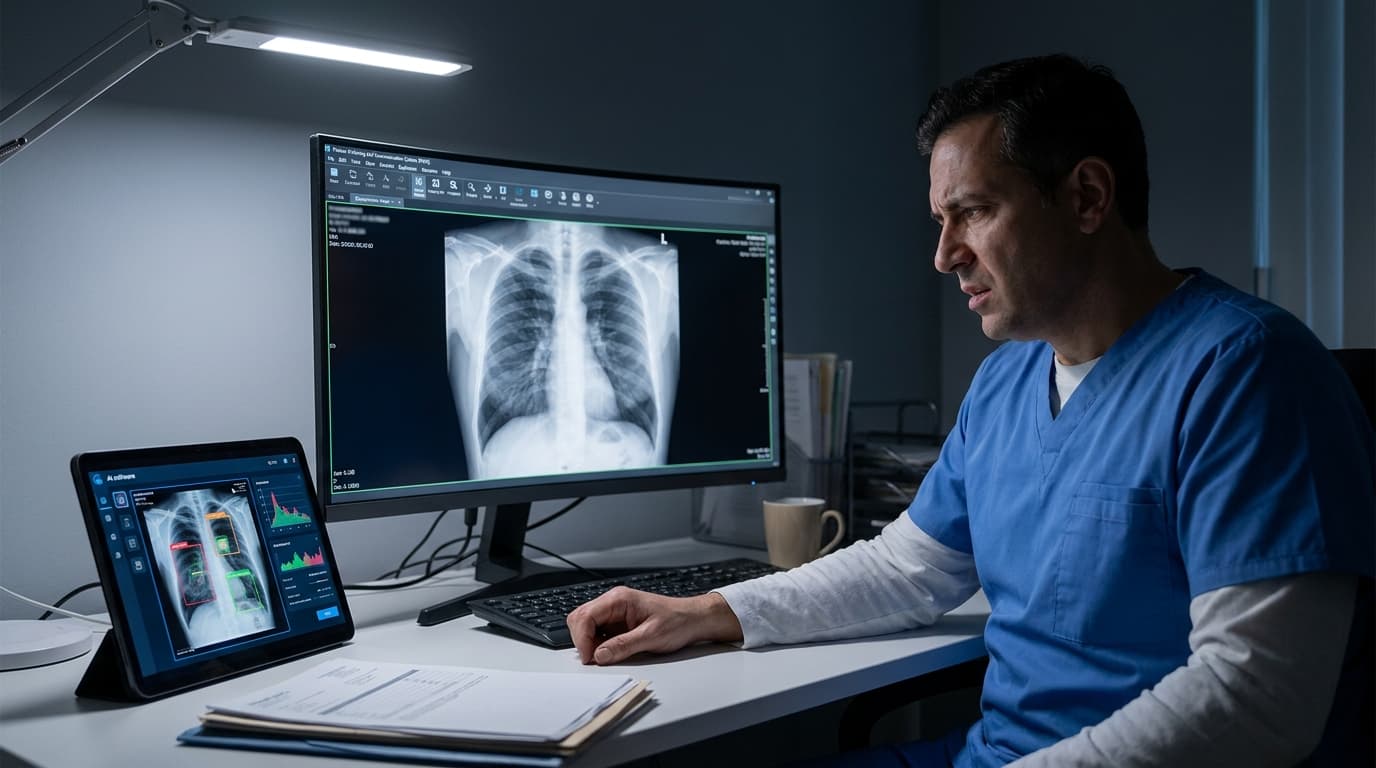
The adoption of AI in radiology was supposed to reduce time spent on repetitive or routine tasks. Instead, poorly integrated AI tools disrupt established rhythms. A radiologist might analyze a chest X-ray on the hospital's main PACS, export it to an external AI platform for nodule detection, and then manually enter findings into the official report. This jumping between systems not only wastes time but increases the likelihood of communication gaps, transcription errors, or missed results.
Cognitive Overload and Alert Fatigue
Standalone AI tools often generate more alerts, flags, or recommendations than necessary, some of which may not be clinically actionable or prioritized. Radiologists already cope with a heavy mental load from reviewing complex cases on tight timelines. Compounding this with unrelated or duplicative AI-generated information can lead to alert fatigue, reduced trust, and the tendency to ignore or override software cues.
Training, Usability, and Fragmented Support
Radiologists are highly skilled domain experts, but the introduction of multiple non-integrated systems requires ongoing training and adaptation. Each new AI tool may have a different user interface, report formatting, data input requirement, or support channel, leading to confusion and additional training overhead. These demands on radiologists’ time often outweigh promised productivity gains in the short to medium term.
The Business Case: Why Integration Matters
For health systems and imaging centers, the business pressures to adopt AI are real and intensifying. AI tools promise not only clinical improvements, but also operational efficiencies, regulatory compliance, and competitive differentiation. However, the business case can be undermined if technologies fail to deliver on integration.
Health IT teams must manage exponential growth in vendor relationships, data interoperability challenges, third-party access controls, and cybersecurity threats. Meanwhile, radiology managers must justify ROI to finance committees and clinical leadership, often with limited real-world evidence of system-wide benefits. Integration becomes the make-or-break feature: when AI is seamlessly embedded within existing PACS, RIS, or electronic health record (EHR) systems, it is far more likely to drive adoption and sustainable value.
Regulatory and Security Considerations
Regulators, including the FDA and international counterparts, increasingly emphasize the need for AI transparency, auditability, and safety. Standalone AI tools introduce additional endpoints that must be validated, monitored, and secured. Data privacy, especially when images are transferred across disparate systems, is a growing concern. Technical and regulatory frameworks to support integrated AI—including clear data provenance and records of algorithmic output—are necessary to create trustworthy digital environments in radiology.
Real-World Examples: Radiologist Experiences with AI
Numerous interviews and field studies have documented the growing frustration with non-integrated AI platforms. Radiologists recount stories of valuable insights being lost due to software that does not “speak” with core imaging platforms, as well as delays in the diagnostic process attributable to workflow detours. Adoption barriers are especially high in community hospitals and smaller clinical practices that lack informatics support or resources for extensive technical customization.
Others share cautious optimism: when AI has been integrated—even at a basic level—it can assist with case triage, highlight urgent findings, and reduce turnaround times for high-priority exams. Yet such successes underscore the difference that workflow-aware design and IT partnership make in harnessing AI’s true potential.
Looking Ahead: Priorities for Meaningful AI Integration
Several guiding principles are emerging from the critical dialogue on AI in radiology:
- Workflow-first development: Developers must prioritize integration with existing hospital information systems, PACS, and EHRs so that AI operates invisibly in the background—or as a natural extension of current workflows.
- Interoperability standards: Adoption of universal standards and protocols will ease integration burdens, reduce vendor lock-in, and accelerate the pace of innovation while safeguarding patient data.
- Incentives for vendor collaboration: Health systems should require interoperability as a condition of purchase and support partnerships between established imaging software providers and AI startups.
Conclusion: The Road to Clinically Relevant, Integrated AI in Radiology
Radiologists remain cautiously enthusiastic about the future of artificial intelligence in their specialty. However, there is now a consensus that to unlock the value of AI, vendors, hospitals, and regulators must address the challenge of seamless integration. The era of fragmented, standalone AI solutions may soon give way to a new paradigm, shaped by workflow-conscious design, interoperability, and robust data security.
As AI continues to permeate clinical practice, the medical imaging community is calling not just for more advanced algorithms, but for smarter, more connected solutions that truly work where radiologists do. Only then can the full promise of AI be realized in improved patient care, operational efficiency, and physician well-being.
Join the BioIntel newsletter
Get curated biotech intelligence across AI, industry, innovation, investment, medtech, and policy delivered to your inbox.