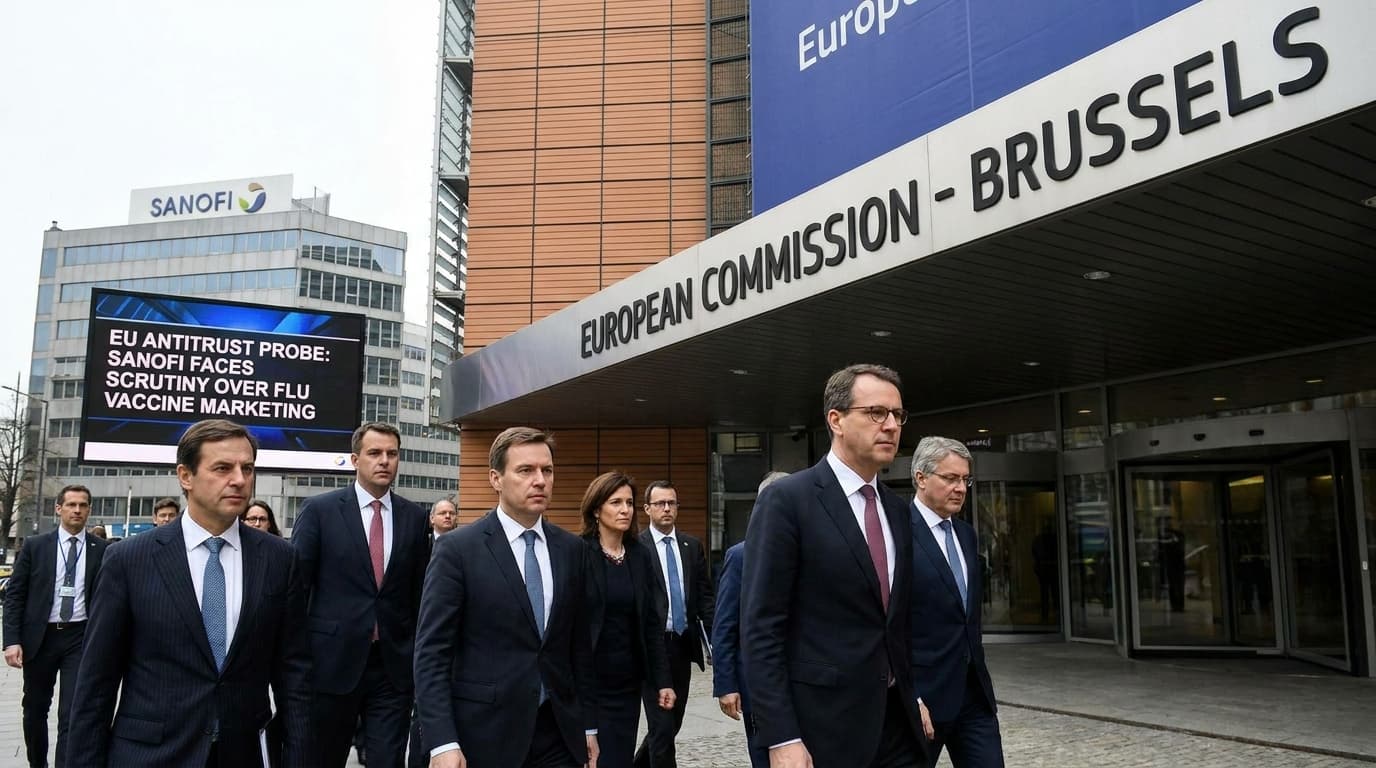
Sanofi Faces Antitrust Scrutiny for Alleged Flu Vaccine Disparagement Campaign

The European Commission’s investigation into Sanofi’s alleged antitrust violations marks a significant development in maintaining fair competition across the continent’s pharmaceutical sector. At stake are key principles of fair market behavior and accurate scientific communication, set against the backdrop of public health priorities and evolving regulatory oversight.
European Commission Intensifies Focus on Pharma Competition
In a high-profile move that underscores the fragility of trust in healthcare communications and market practices, the European Commission has initiated an investigation into Sanofi for allegedly breaching antitrust rules by launching what has been described as a “misleading” campaign regarding a rival flu vaccine. This investigation highlights persistent challenges faced by global regulators in ensuring fair play among major pharmaceutical entities while protecting public health interests.
The Allegations: Unpacking the Claims Against Sanofi
According to the Commission, Sanofi is accused of running a campaign that may have misrepresented or cast unwarranted doubt on a competing flu vaccine’s safety or efficacy. The details of the campaign remain under wraps, but early reports suggest that regulators are scrutinizing the language and scientific references employed in Sanofi’s communications—both to healthcare professionals and potentially to the general public.
The alleged actions may have included direct and indirect messaging through marketing materials, scientific forums, and public relations initiatives. Such tactics, if proven to be misleading or intended to disparage a competitor, could violate stringent European Union competition laws that ensure fair access and integrity in pharmaceutical markets.
The Regulatory Context: Vaccine Competition in the EU
Europe’s pharmaceutical sector operates within a framework that balances innovation with robust antitrust oversight. Vaccines, particularly those related to influenza, are a critical public health asset. As governments and private providers seek to strengthen immunization strategies, competition between manufacturers has intensified.
Regulators have a vested interest in protecting this environment from anti-competitive practices that could skew market share or erode public confidence. The current scrutiny of Sanofi follows a tradition of proactive oversight, especially as flu season approaches and healthcare systems prepare for potential upticks in respiratory illness.
Sanofi’s Response and Market Impact
At this stage, Sanofi has reiterated its commitment to compliance with relevant laws and to the highest standards of scientific integrity. The company, which holds a significant share of the global flu vaccine market, has stated that it is cooperating fully with investigators. However, any regulatory finding against the company could have significant ramifications, ranging from reputational harm to the imposition of substantial financial penalties.
Investors and market watchers are closely monitoring the proceedings. Previous cases in the EU involving pharmaceutical competition have resulted in multi-million-euro fines, forced modifications to business practices, and even temporary bans on certain marketing activities.
Ethical Marketing in Vaccines: Where the Line is Drawn
The probe raises important questions about the fine line between aggressive product promotion and misleading or disparaging conduct. With vaccine confidence already a delicate issue in many communities, the accuracy and tone of manufacturer communications are under increased scrutiny. Misleading information—even if unintentional—has the potential to undermine public trust, affecting vaccine uptake and, consequently, health outcomes.
Stakeholders in public health and industry have repeatedly called for transparency and adherence to evidence-based claims in marketing materials. The European Commission’s action sends a clear message that enforcement of these principles remains a regulatory priority.
Implications for the Industry: A Precedent in the Making?
Should the investigation result in a finding of wrongdoing, it could set a consequential precedent for how vaccine manufacturers communicate with the market and healthcare professionals. Legal experts suggest that even the act of opening such a probe will likely have a chilling effect on marketing departments, prompting companies to double-check claims, citations, and the broader implications of their campaigns.
This moment is particularly sensitive for the industry, as various vaccine producers prepare new formulations and battle for seasonal contracts with governments and health plans. Ensuring competitive but ethical engagement will be essential for continued innovation and patient trust.
Conclusion: A Watchful Eye on Big Pharma’s Conduct
The ongoing investigation into Sanofi’s conduct by European antitrust regulators illustrates the complex interplay between commercial interests and regulatory expectations in the pharmaceutical landscape. With vaccines at the core of public health preparedness and response, how companies compete—and the messages they send—will remain a focal point for policymakers and the public in the years ahead. The outcome of this probe could have lasting consequences for the standards governing pharmaceutical communications in Europe and beyond.
For further developments, follow coverage at STAT News.
Join the BioIntel newsletter
Get curated biotech intelligence across AI, industry, innovation, investment, medtech, and policy delivered to your inbox.