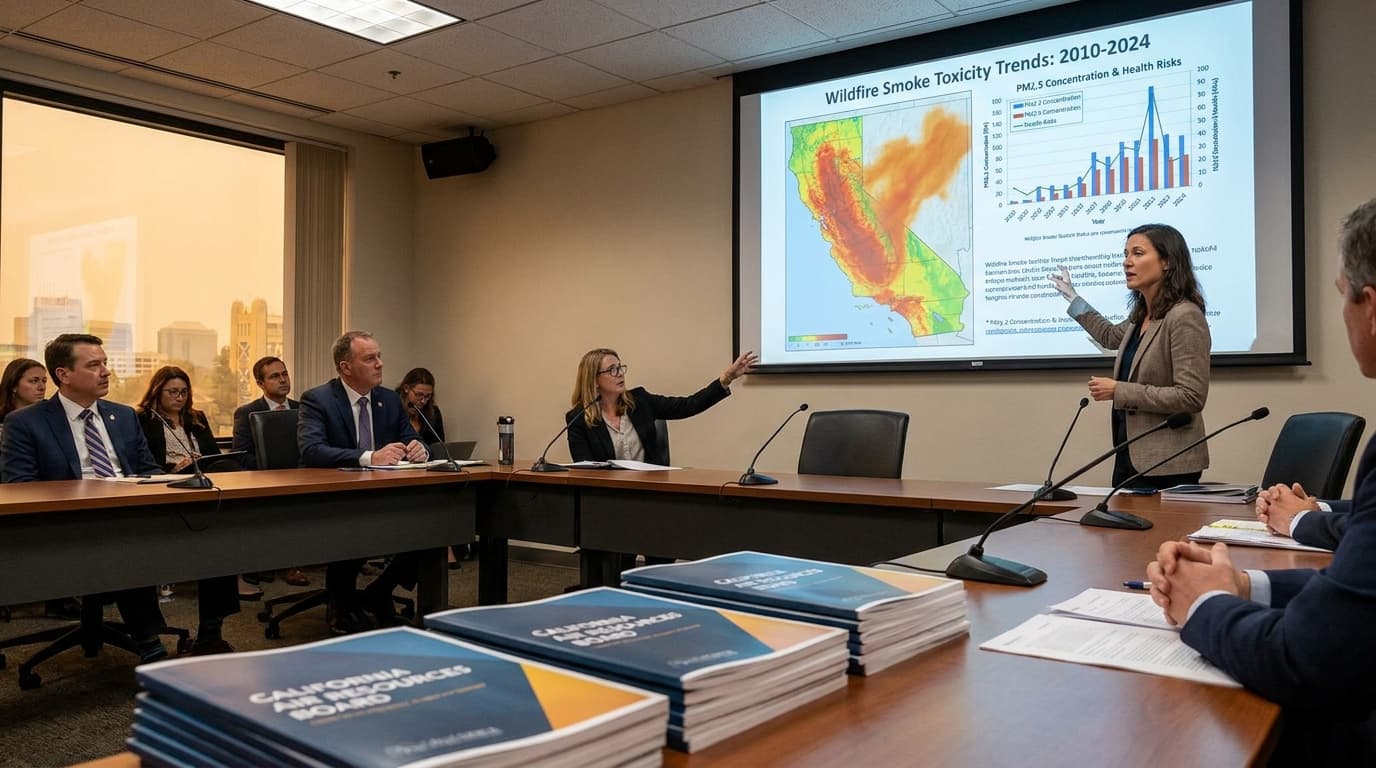
Smog from Wildfires Shows Increasing Harm to Public Health, New Data Reveal

The frequency and severity of wildfires have escalated globally, leading to increased emissions of harmful pollutants. New data reveal not only more frequent exposure to wildfire smog but also an increase in its toxicity, which has significant implications for respiratory and cardiovascular health.
Introduction
In recent years, wildfires have become more frequent and intense in various regions, causing widespread environmental and health concerns. While the immediate dangers of fire are well-recognized, the secondary effects of wildfire smoke—commonly referred to as smog—are increasingly drawing attention. New data have emerged demonstrating that the smog arising from wildfires is growing more harmful over time.
This blog post examines the rising health risks linked to wildfire smog, explores the science behind its increasing toxicity, and discusses the implications for public health and regulatory policy.
The Rising Frequency and Severity of Wildfires
Wildfires have increased in frequency and intensity due to factors like climate change, drought conditions, and land management practices. These fires release a complex mixture of pollutants, including fine particulate matter (PM2.5), nitrogen oxides, volatile organic compounds (VOCs), and other toxic substances that contribute to the formation of smog.
Why Is Wildfire Smog Becoming More Harmful?
Data indicate several reasons why smog from wildfires is more dangerous now than in previous decades:
- Changes in Vegetation and Fuel Types: Different types of plants and trees burn differently, releasing varying pollutant profiles.
- Chemical Composition Shifts: Increased levels of certain pollutants, such as PAHs (polycyclic aromatic hydrocarbons), which are linked to carcinogenicity.
- Longer Smoldering Periods: Extended burning leads to sustained pollution release.
- Atmospheric Interactions: Wildfire smoke interacts with urban pollutants, forming complex secondary pollutants.
Researchers have observed that the PM2.5 concentration levels are not just increasing in volume but also in toxicity.
Health Effects and Epidemiological Evidence
Exposure to wildfire smoke can cause acute and chronic health problems. Short-term effects typically include:
- Respiratory distress and exacerbation of asthma or chronic obstructive pulmonary disease (COPD)
- Cardiovascular issues, such as increased risk of heart attacks
- Eye and throat irritation
Long-term exposure may contribute to:
- Development of chronic respiratory diseases
- Cardiovascular disease progression
- Potential links to cancer and developmental issues
Several epidemiological studies have documented spikes in hospital visits and mortality correlated with wildfire smoke events.
Implications for Public Health Policy and Preparedness
The increasing harm posed by wildfire smog necessitates:
- Enhanced air quality monitoring, particularly during fire seasons
- Public health advisories tailored to vulnerable populations such as children, elderly, and individuals with pre-existing health conditions
- Investment in ambient air filtration systems and clean air shelters
- Policy interventions targeting wildfire prevention and climate change mitigation
Environmental Justice Considerations
Certain communities, often disadvantaged socioeconomically, face disproportionate exposure to wildfire smoke. There is an urgent need for policies that address these disparities and allocate resources equitably.
Conclusion and Forward Outlook
The growing toxicity of wildfire smog represents an escalating public health challenge that demands coordinated research, policy, and community engagement. Continuous data collection and analysis will be vital in adapting regulatory frameworks and healthcare responses to protect populations effectively.
As climate patterns evolve, integrating the latest scientific insights into wildfire smog's health impacts will be critical for safeguarding public health.
Source: STAT News
Join the BioIntel newsletter
Get curated biotech intelligence across AI, industry, innovation, investment, medtech, and policy delivered to your inbox.