Exploring the Surprising Patterns of U.S. Metro Health Spending

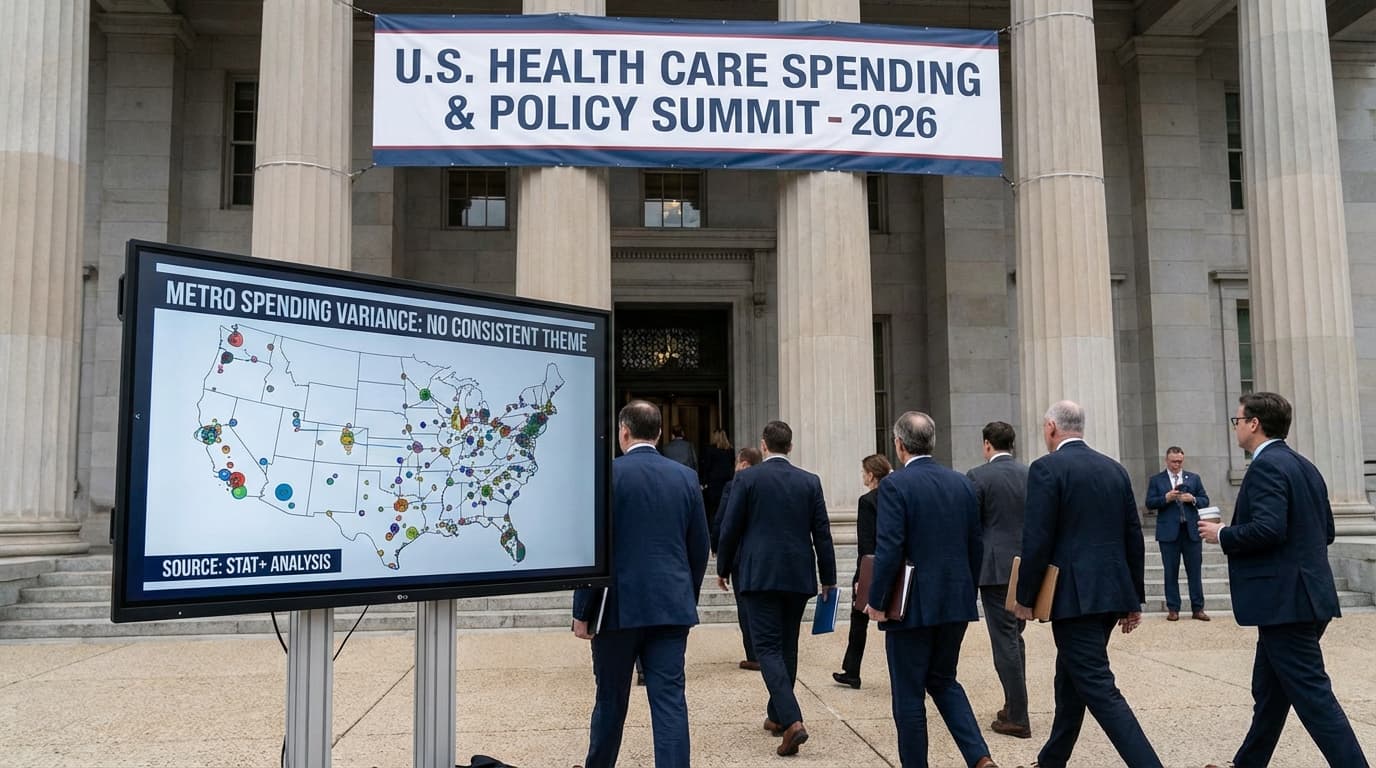
Recent data highlight that the highest and lowest health spending metros in the United States do not follow a predictable pattern. Experts suggest that this randomness points to systemic inefficiencies and irrationalities in U.S. health care spending. This article delves into the details of this phenomenon and its implications for health policy and cost control.
Understanding health care spending in the United States has long been a complex and often confusing issue. The recent analysis published by STAT+ on April 9, 2026, offers a fresh perspective by revealing that the top 10 highest and lowest spending metropolitan areas show no consistent theme or pattern. This finding challenges prevalent assumptions about what drives health spending in major urban centers and invites a closer examination of the factors at play.
Traditionally, one might expect that wealthier or larger metros would spend more on health care due to higher demand and greater availability of services. Conversely, smaller or less affluent areas might show lower expenditures. However, this new data disrupts such straightforward assumptions, indicating a landscape of spending that appears scattered and even irrational.
Experts commenting on the findings describe this inconsistency as indicative of a broader systemic issue within U.S. health care. Rather than a rational distribution based on needs, demographic factors, or efficiencies, spending appears to be influenced by less clear and sometimes arbitrary factors. This insight has significant repercussions, especially considering the ongoing national debates about health care affordability and reform.
Quantifying the exact drivers behind this spending pattern requires analyzing numerous variables from insurance coverage types and reimbursement rates to provider density and health outcomes in specific regions. The data also underscores discrepancies in how costs are managed or negotiated at the local level, suggesting that structural reforms might be necessary to address these entrenched disparities.
Moreover, the notion of irrationality in health spending compels policymakers, providers, and payers to rethink current models of funding and delivering care. It raises questions about the incentives within the health system, the role of insurance practices, and potential regulatory actions required to impose order and fairness in expenditure allocation.
The lack of a clear theme also has implications for residents of these metros, who may be subject to variable out-of-pocket costs or differing access to care depending on where they live. Understanding why some metros end up in the highest spending category while others are among the lowest could reveal opportunities to optimize resource allocation and reduce waste.
In summary, this surprising study invites a critical review of the status quo in U.S. health care spending. It highlights the urgency for data-driven policies that account for the complex realities uncovered and aim to rationalize spending in a way that benefits patients and strengthens the health system overall.
Source: STAT+ - Which U.S. metros have the highest health spending? The answer might surprise you
Join the BioIntel newsletter
Get curated biotech intelligence across AI, industry, innovation, investment, medtech, and policy delivered to your inbox.