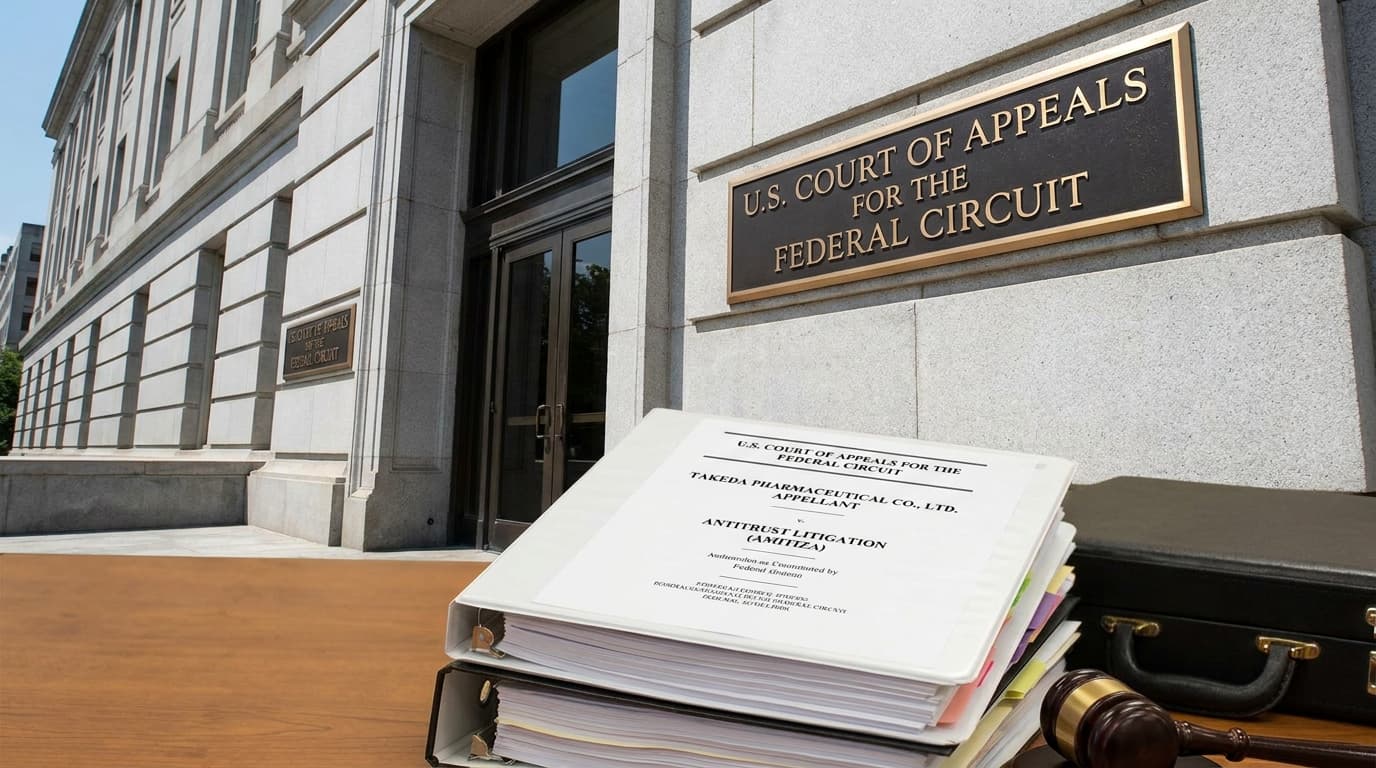
Takeda Appeals $885M Antitrust Verdict Over ‘Pay-for-Delay’ in Generic Drug Competition

The appeal from Takeda raises significant issues about pharmaceutical patent practices, generic drug market entry, and antitrust enforcement. This case underscores ongoing tensions over balancing innovation incentives with affordable access.
The pharmaceutical industry has been no stranger to controversies surrounding brand-name drug companies and their strategies to delay competition from generics, practices often termed as 'pay-for-delay.' These arrangements have sparked wide-ranging legal, regulatory, and policy debates about their impact on drug prices and patient access.
In a notable development, Takeda Pharmaceutical, a multinational pharmaceutical company, is appealing a recent jury verdict that imposed an $885 million penalty. Pharmacies and wholesalers accused Takeda of orchestrating delays in generic competition entering the market, specifically involving the gastrointestinal drug Amitiza. The delays forced consumers and supply chain participants to pay higher prices for the branded drug for a longer period.
The core allegations revolve around Takeda's use of patent litigation and agreements purportedly crafted to hinder generic entrants. The jury found that Takeda engaged in anticompetitive behavior by artificially postponing the introduction of lower-cost generic alternatives, a tactic that frustrated market competition.
Takeda responded by highlighting 'evidentiary and legal errors' during the trial. The company maintains that the decisions in the case overlooked key facts and legal standards. Consequently, Takeda has initiated an appeal process seeking to overturn the verdict or reduce the financial penalty.
This dispute highlights the complexities of pharmaceutical patent law and regulatory frameworks designed to balance innovation and public health goals. Brand-name drug manufacturers assert the necessity of robust patent protections and market exclusivity periods to recoup research and development investments. Conversely, critics argue that certain strategies exploit patent provisions to extend monopoly control beyond reasonable terms, inflating drug costs.
The 'pay-for-delay' phenomenon has drawn considerable attention from antitrust authorities and lawmakers. Various jurisdictions have examined settlements between brand-name and generic drug firms to identify anti-competitive conduct. Courts and regulatory bodies continue to refine the legal landscape governing these agreements.
Takeda's appeal case will be closely watched by industry analysts, policymakers, and healthcare stakeholders. The outcome could influence future litigation tactics, regulatory approaches, and industry practices regarding market entry for generics.
In addition to its direct financial ramifications, the case sheds light on broader challenges in ensuring affordable access to essential medicines. Stakeholders seek solutions to prevent market manipulation while encouraging genuine pharmaceutical innovation.
This evolving situation underscores the critical interplay between patent law, competition policy, healthcare costs, and patient welfare. As the appeal unfolds, courts will need to navigate technical legal issues alongside significant public health considerations.
For further details on this ongoing legal and regulatory matter, refer to MedCity News: Takeda Vows Appeal of $885M Jury Verdict in ‘Pay-for-Delay’ Antitrust Case.
Disclaimer: This blog synthesizes information from the source link and public domain data as of the publication date. The legal process is subject to change and new developments may arise.
Join the BioIntel newsletter
Get curated biotech intelligence across AI, industry, innovation, investment, medtech, and policy delivered to your inbox.