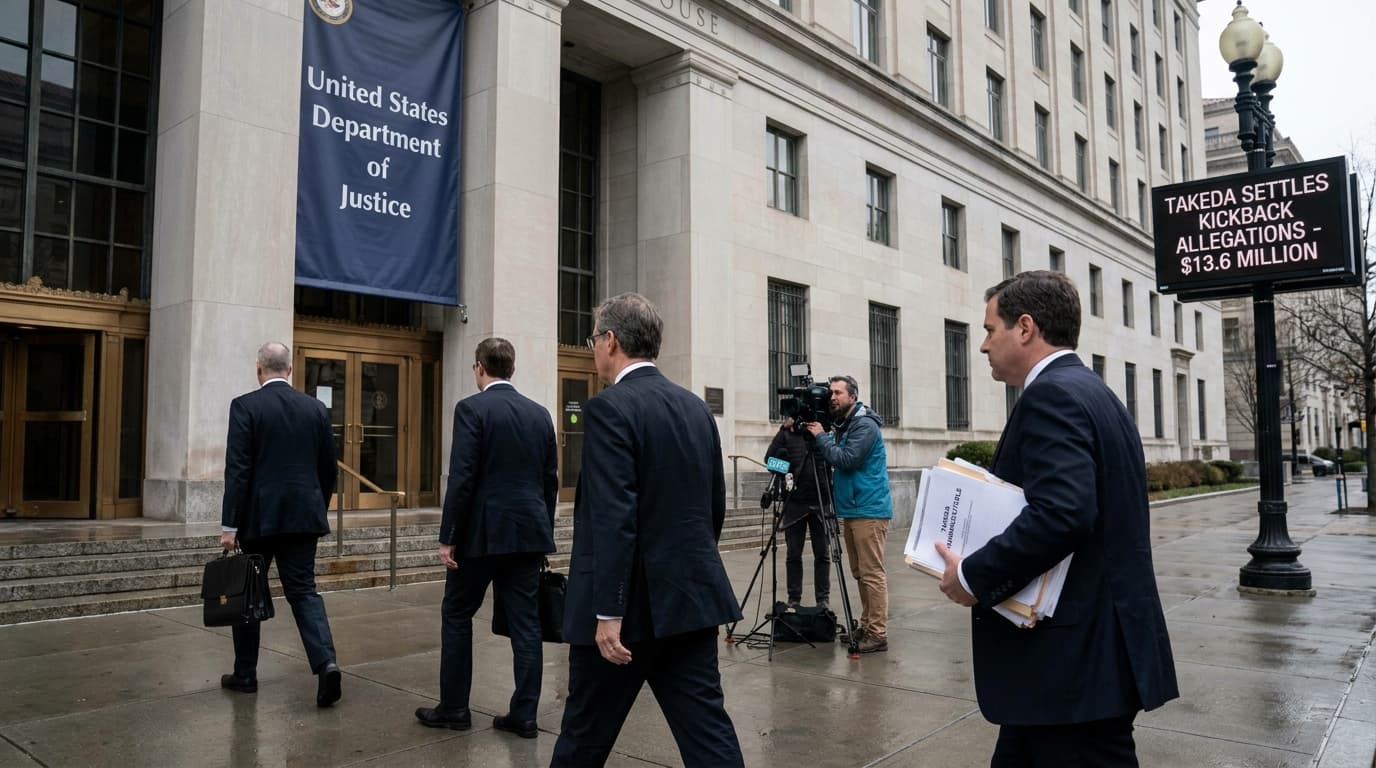
Takeda Pharmaceuticals Settles Kickback Allegations with $13.6 Million Payment

In an enforcement action highlighting regulatory oversight of pharmaceutical marketing, Takeda Pharmaceuticals has chosen to settle legal claims alleging improper inducements to healthcare providers. This blog post examines the background, details, and broader implications of the $13.6 million settlement, exploring the impact on the company, the industry, and regulatory enforcement policies.
Takeda Pharmaceuticals, a global biopharmaceutical company, recently agreed to a settlement payment totaling $13.6 million to resolve allegations that it engaged in improper business practices by paying kickbacks to doctors. These kickbacks allegedly influenced healthcare providers to prescribe a particular antidepressant drug marketed by Takeda. This case underscores the regulatory and legal risks pharmaceutical companies face regarding compliance with healthcare laws and ethical marketing standards.
The Allegations and Regulatory Context The core allegation was that Takeda incentivized doctors through financial or other benefits to increase prescriptions of its antidepressant medication. Kickbacks of this nature violate federal laws such as the Anti-Kickback Statute (AKS), which prohibits exchanging remuneration for referrals or the generation of Federal healthcare program business.
Such illicit practices can distort medical decision-making, potentially putting patient safety and healthcare costs at risk. Regulatory authorities, including the U.S. Department of Justice (DOJ) and the Office of Inspector General (OIG), actively investigate and prosecute entities suspected of violating these statutes.
Details and Scope of the Settlement While Takeda did not admit wrongdoing as part of the settlement, the $13.6 million payment covers civil claims related to the alleged kickbacks. Settlements of this scale are significant but not unprecedented in the pharmaceutical industry, where enforcement actions have targeted marketing tactics deemed incompatible with fair and lawful promotion of prescription drugs.
The settlement reflects the culmination of investigations and the company’s strategic decision to resolve the claims without prolonged litigation. Such resolutions aim to minimize operational disruptions while addressing regulatory concerns.
Industry Implications and Compliance Challenges The pharmaceutical industry operates in a tightly regulated environment designed to ensure that marketing practices remain within ethical and legal boundaries. However, the complexity of healthcare relationships, involving physicians, hospitals, and insurers, creates scenarios where compliance risks emerge.
Companies must implement robust compliance programs, including training, monitoring, and internal audits, to prevent illicit inducements. This Takeda case serves as a reminder for industry players about the importance of adhering strictly to regulatory frameworks.
Furthermore, regulatory bodies continue to emphasize transparency, requiring disclosures of payments and transfers of value to healthcare professionals under programs like the Open Payments system. These efforts aim to curtail undue influence on prescribing patterns and maintain the integrity of clinical decision-making.
Potential Consequences and Public Perception Allegations of kickbacks can damage reputations, affect stock prices, and reduce trust among healthcare providers and patients. Although settlements avoid admission of guilt, the publicity surrounding such cases can lead to heightened scrutiny from regulators, payers, and the public.
For Takeda, this resolution necessitates a renewed focus on compliance culture to prevent recurrence. It also signals to competitors and stakeholders the ongoing vigilance by authorities in enforcing laws designed to protect the healthcare system.
Broader Regulatory Environment This case occurs within a wider context of heightened enforcement against pharmaceutical companies for marketing infractions. Over recent years, multi-million-dollar settlements have occurred involving various firms, reflecting a regulatory environment intolerant of practices that could compromise patient care or inflate healthcare costs.
The settlement also interacts with other policy discussions about drug pricing, access, and ethical marketing. Ensuring that promotional strategies are fair and patient-centered remains a primary concern for policymakers and healthcare advocates alike.
Conclusion Takeda Pharmaceuticals’ $13.6 million settlement highlights the risks companies face in maintaining compliant marketing practices. It underscores the critical importance of regulatory adherence to support the ethical promotion of pharmaceuticals, safeguarding patient interests and public trust. As healthcare landscapes evolve, continued vigilance and robust compliance programs will be essential for industry players.
Source: statnews.com
Join the BioIntel newsletter
Get curated biotech intelligence across AI, industry, innovation, investment, medtech, and policy delivered to your inbox.