Travere’s Filspari Overcomes Phase 3 Setback to Become First Drug for Rare Kidney Disease

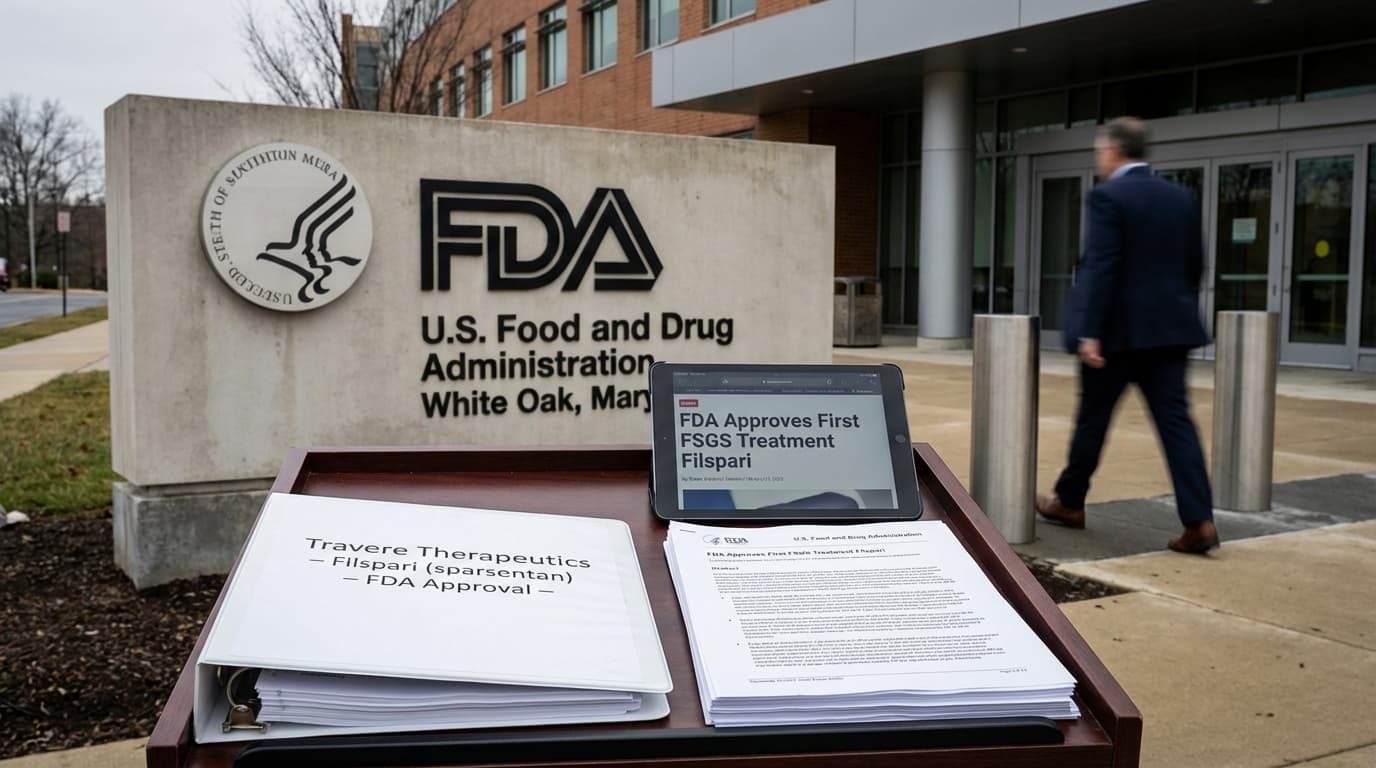
Travere Therapeutics has achieved a significant milestone with the FDA approval of Filspari for focal segmental glomerulosclerosis (FSGS), a rare kidney disease. This approval is particularly notable due to the drug’s prior Phase 3 trial results, which did not meet expectations relative to a competitor medication. The decision showcases evolving regulatory perspectives in addressing unmet medical needs.
The U.S. Food and Drug Administration (FDA) decision to approve Travere Therapeutics' Filspari marks a pivotal development in the treatment landscape for focal segmental glomerulosclerosis (FSGS), a rare and challenging kidney disorder characterized by scarring in the kidney's filtering units. This approval is particularly notable because Filspari previously encountered obstacles during its Phase 3 clinical trials, where it did not demonstrate superiority over Sanofi's Avapro in direct comparisons.
Filspari's regulatory journey reflects the complexities inherent in drug development for rare diseases, where traditional clinical trial results may not always align with the broader therapeutic needs of patients. Despite the setback in the Phase 3 trial, where Avapro led in efficacy endpoints, the FDA’s greenlighting of Filspari underscores a commitment to expanding available treatment options for conditions with few or no approved therapies.
Focal segmental glomerulosclerosis is associated with progressive kidney damage leading to end-stage renal disease, significantly impacting patients' quality of life and survival. The limited treatment options for FSGS patients have fueled demand for novel therapies that can slow disease progression or improve kidney function.
Travere Therapeutics’ Filspari operates through mechanisms targeting pathways implicated in the pathophysiology of FSGS, offering a differentiated approach compared to standard treatments. The FDA's decision likely considered factors beyond the Phase 3 efficacy data, such as safety profiles, patient tolerability, and unmet medical need, acknowledging the nuances required for rare disease drug approvals.
This approval also reflects trends in regulatory policy where agencies are increasingly factoring real-world evidence, patient advocacy input, and the totality of scientific data to facilitate access to medicines for underserved populations. As a result, Filspari becomes the first and currently only FDA-approved treatment specifically for FSGS, providing hope to patients and clinicians managing this complex condition.
Moving forward, post-marketing studies and ongoing clinical research will be critical to further characterize Filspari’s long-term benefits and safety, informing its optimal use in clinical practice. Moreover, this case may set precedents for how regulators evaluate treatments that face competing therapies or demonstrate mixed trial outcomes but meet critical patient needs.
For expanded insights into Filspari's approval and implications within the rare diseases community, explore the full coverage at BioSpace.
Join the BioIntel newsletter
Get curated biotech intelligence across AI, industry, innovation, investment, medtech, and policy delivered to your inbox.