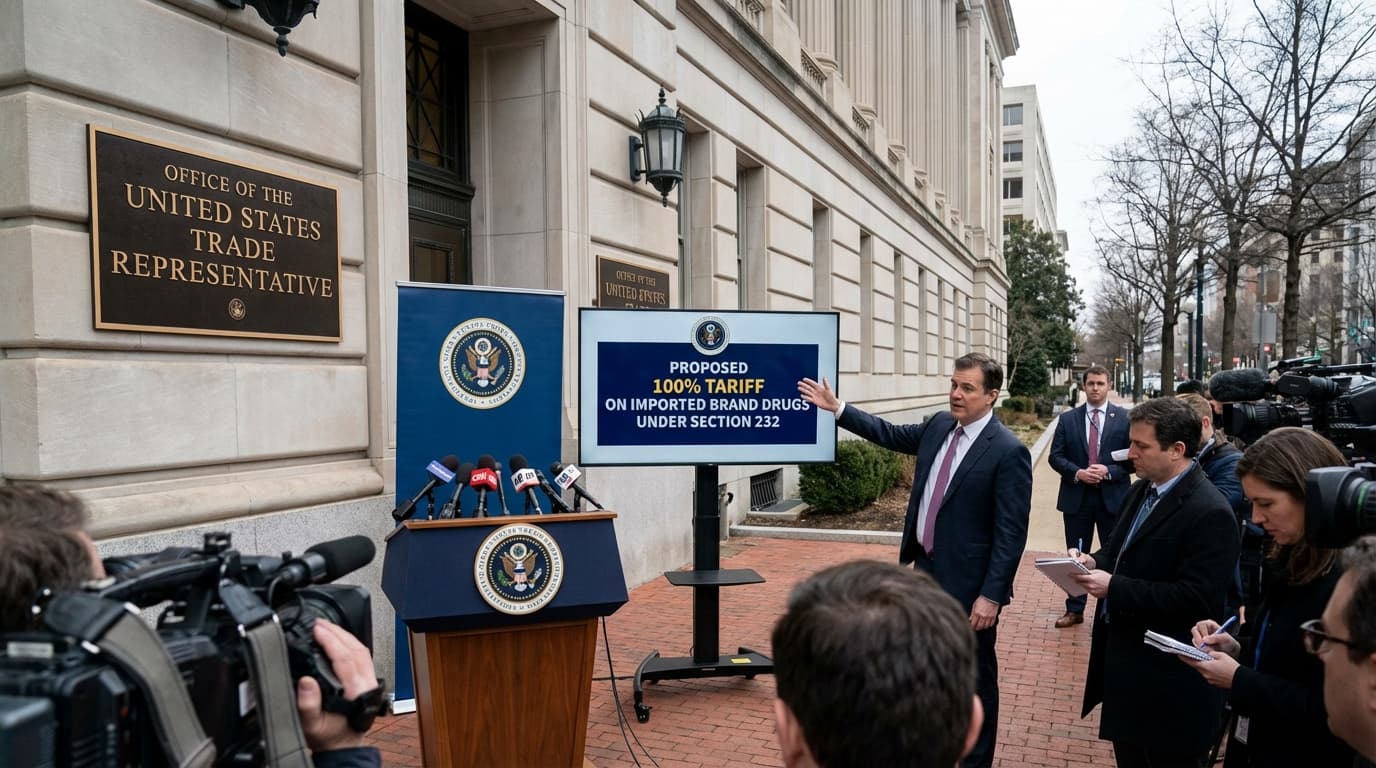
Analyzing the Implications of the Trump Administration’s Proposed 100% Tariffs on Imported Brand Drugs

A newly surfaced draft order reveals that the U.S. government is considering imposing a full 100% tax on some imported medications as a strategy to support domestic pharmaceutical manufacturing and address trade imbalances. Such a policy could have broad implications across the healthcare and pharmaceutical industries, patient affordability, and international trade relations affecting drug availability and pricing dynamics.
In recent developments, a draft order from the Trump administration has indicated plans to levy a 100% tariff on a selected group of imported brand-name drugs under the authority of Section 232 of the Trade Expansion Act. This dramatic tariff proposal surfaces at a time when drug pricing and pharmaceutical supply chains are under intense scrutiny.
Section 232 allows the government to impose tariffs based on national security concerns linked to imports deemed critical to essential industries. The rationale for applying tariffs to imported medicines includes incentives to revitalize domestic pharmaceutical production and mitigate supply chain dependencies.
From an economic perspective, implementing a 100% tariff could substantially increase the cost of these medicines at the point of import, which may cascade into higher prices for healthcare providers, insurers, and ultimately, patients. These price shifts raise concerns about affordability and access, particularly for patients reliant on imported brand drugs where no generic or biosimilar alternatives exist domestically.
Industry reactions have been mixed. Pharmaceutical manufacturers operating domestic facilities could benefit from reduced foreign competition, potentially adjusting production strategies to meet demand. Conversely, importers, wholesalers, and pharmacies may face cost pressures and supply disruptions. International trading partners may view these tariffs as protectionist measures, potentially triggering retaliatory trade actions affecting broader markets.
Healthcare providers emphasize the importance of uninterrupted patient access to essential medications. Any policy leading to increased cost barriers could exacerbate health inequities and result in adverse public health outcomes, especially for vulnerable populations dependent on imported pharmaceuticals.
Legal and regulatory challenges are likely, given the broad scope and potential consequences of such tariffs. Stakeholders including patient advocacy groups, industry associations, and lawmakers may seek clarity on the criteria for selective drug targeting, tariff duration, and mitigation strategies to balance trade objectives with healthcare imperatives.
The proposed tariffs also prompt a reexamination of pharmaceutical supply chain resilience, innovation incentives, and the complex interplay between trade policies and public health goals. Discussions continue about ensuring that tariffs do not inadvertently reduce the availability of critical medicines or hinder the United States’ leadership in pharmaceutical innovation.
In summary, the Trump administration’s preparatory move to impose a 100% tariff on certain imported brand drugs under Section 232 captures a convergence of trade policy and healthcare sector dynamics with far-reaching implications. Monitoring forthcoming official decisions, stakeholder responses, and market adjustments will be essential to understanding the ultimate impact on the U.S. pharmaceutical landscape.
This analysis draws from the detailed report by STAT News: https://www.statnews.com/2026/04/01/trump-section-232-tariffs-imported-brand-drugs/?utm_campaign=rss
Join the BioIntel newsletter
Get curated biotech intelligence across AI, industry, innovation, investment, medtech, and policy delivered to your inbox.