Trump Administration’s Divergent Strategy in Ebola Outbreak Response Challenges Biden-era Pandemic Plans

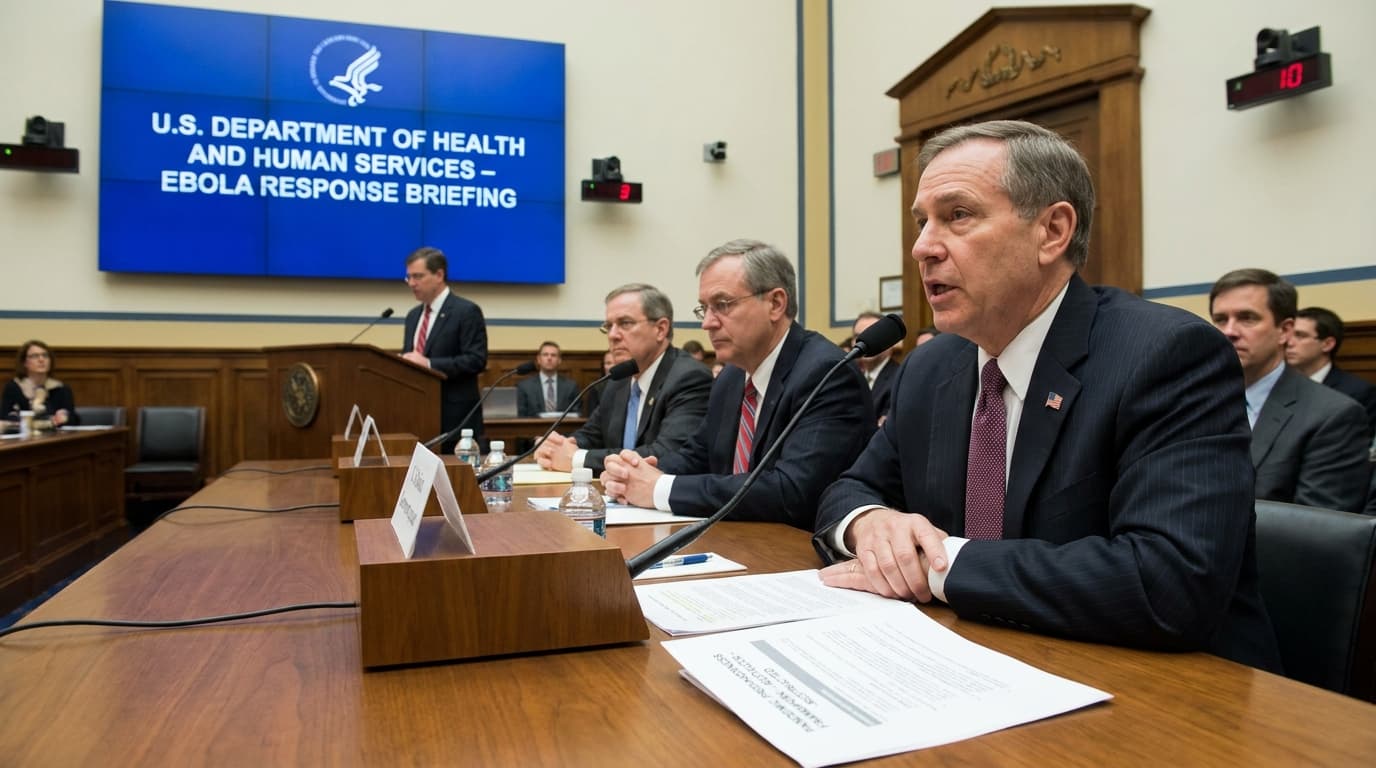
As the Ebola outbreak expands, the new federal strategy under the Trump administration marks a notable departure from previous detailed pandemic response plans crafted during the Biden era. This shift highlights broader policy differences in handling emerging infectious disease threats.
The growing Ebola outbreak in Central Africa presents a critical test for U.S. public health preparedness and response strategies. Recently, it has become apparent that the Trump administration is charting a path distinct from that of the Biden administration, specifically disregarding the prior administration's detailed pandemic preparedness plans in favor of its own strategic framework. This approach diverges particularly in how federal policies are being adjusted and implemented amid the expanding health crisis.
The Biden administration had developed extensive pandemic preparation protocols, including measures to coordinate federal, state, and local resources, and frameworks for efficient medical response and international collaboration. However, according to reports, current Trump officials have chosen to pivot away from these previously established protocols, potentially impacting the timeliness and effectiveness of the U.S. response to Ebola.
This strategic shift raises several critical questions and concerns among public health experts and policy analysts. How might this change influence the containment efforts of a virus as virulent as Ebola? What implications could this hold for the coordination among global health entities and for the safety of U.S. citizens both domestically and abroad?
Moreover, the shift reflects a broader trend in the administration's approach to federal health policy and crisis management. By favoring a novel blueprint, the administration signals its intent to redefine federal engagement in epidemic control, perhaps prioritizing different mechanisms for crisis response, funding allocations, and inter-agency collaboration.
The various implications include the potential risks of incidents like discouraging medical volunteers due to stringent travel restrictions or complicating international aid efforts, given the U.S. stance on containment and patient management. Furthermore, the contrast in strategy underscores the essential role of government leadership in aligning scientific guidance with policy execution during infectious disease outbreaks.
The full impact of the Trump administration's departure from the Biden playbook will become clearer in the coming weeks as more data on case management effectiveness, resource mobilization, and public health outcomes emerge. Closely monitoring these developments will be crucial to understanding the evolving landscape of federal epidemic response and to gauging the readiness of the healthcare system to confront emerging and re-emerging pathogens.
For continuous updates and detailed analyses, the public health community and policymakers must maintain a vigilant dialogue on best practices and adapt responsive strategies tailored to the dynamic nature of infectious diseases such as Ebola.
This article is grounded on the report titled "STAT+: As Ebola outbreak grows, Trump administration veers from previous government playbook" from STAT News.
Join the BioIntel newsletter
Get curated biotech intelligence across AI, industry, innovation, investment, medtech, and policy delivered to your inbox.