How Trump’s Executive Order is Advancing Psychedelics Reform Through Federal Health Agencies

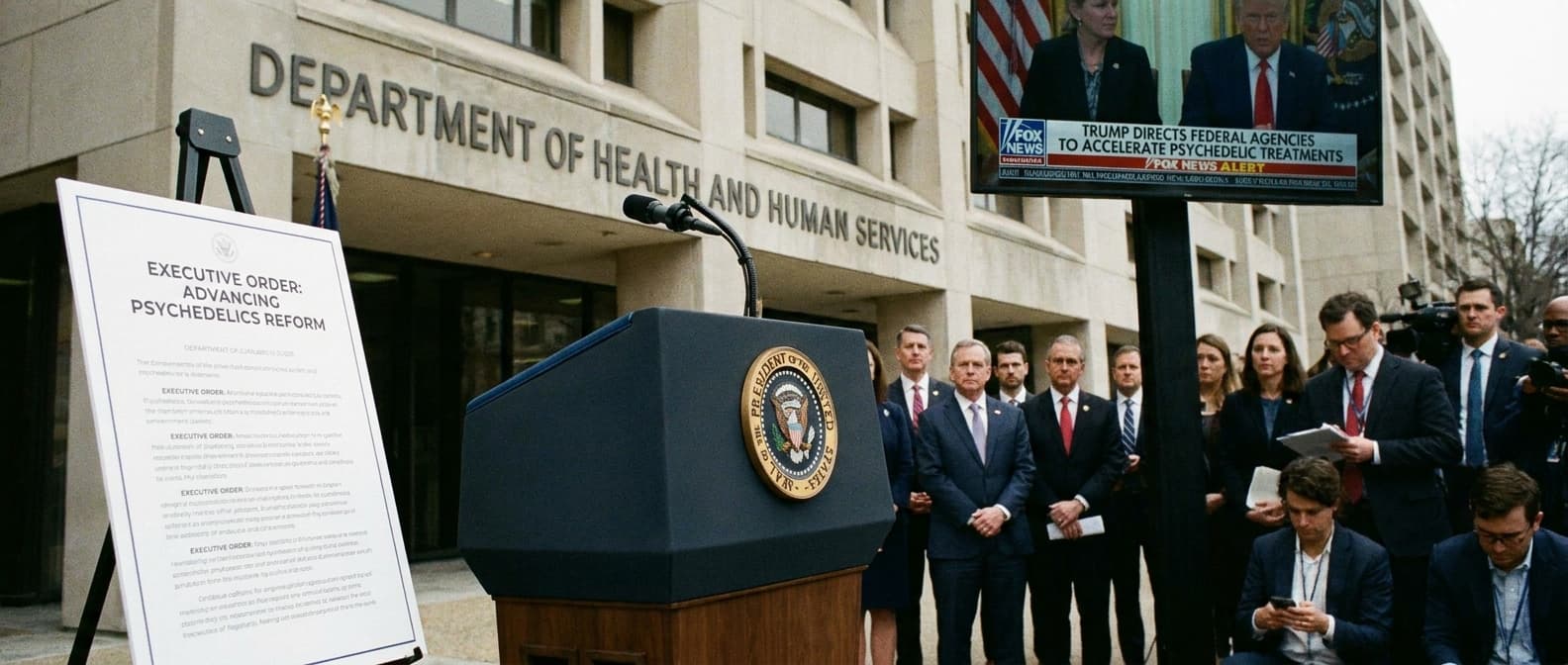
In a bold move impacting mental health treatment frameworks, the Trump administration has issued an executive order aimed at facilitating broader research and availability of psychedelics. This decision seeks to streamline regulatory barriers and promote scientific exploration of psychedelics’ therapeutic potential, especially for conditions such as PTSD. The implications of this directive are extensive, impacting federal health agencies and the future of controlled substance regulation.
In recent developments marking a transformative turn in U.S. health policy, former President Donald Trump has utilized executive authority to accelerate the reform of psychedelics regulation through federal health agencies. This effort comes amid an evolving recognition of the potential therapeutic benefits of psychedelic substances for treating mental health disorders, including post-traumatic stress disorder (PTSD) and depression.
Trump's directive instructs the federal government to expedite access to psychedelic treatments, effectively urging agencies to reassess the Schedule I status of these compounds under the Controlled Substances Act. Schedule I classification has historically hindered research and clinical application by imposing stringent regulatory restrictions.
Psychedelics, once relegated strictly to the realm of illicit substances, are now emerging as promising candidates in the mental health arena. Scientific studies over the past decade have increasingly revealed their efficacy in controlled environments for reducing symptoms of PTSD, treatment-resistant depression, and anxiety disorders, prompting calls to modernize federal policy frameworks to accommodate therapeutic uses.
The executive order mandates various agencies, including the Food and Drug Administration (FDA) and the National Institutes of Health (NIH), to prioritize the development, study, and potential approval pathways for psychedelic therapies. This includes increasing funding allocations for psychedelic research and reevaluating regulatory pathways that currently limit clinical trials and patient access.
While the federal government has historically maintained a conservative stance toward psychedelics due to concerns about abuse and public health risks, this policy shift reflects a growing consensus within parts of the scientific community and policymakers about the need to confront the ongoing mental health crisis with innovative treatment modalities.
The implications of this reform are multifaceted. For researchers and clinicians, it promises enhanced access to federal resources, more streamlined approval processes, and greater capacity to conduct rigorous clinical trials essential for validating psychedelic therapies. For patients, particularly those suffering from chronic, treatment-resistant mental health conditions, it offers hope for new, effective treatment options.
Critics of the policy caution about the risks associated with broader access to psychedelics, emphasizing the importance of establishing robust safeguards, standardized protocols, and extensive educational efforts to prevent misuse. Nonetheless, the policy direction initiated by Trump's order signals a notable departure from prior federal drug policies and aligns the U.S. with a growing international movement to reconsider psychedelics within a medical and scientific context.
This reform is expected to catalyze further legislative and regulatory activity in the coming years, potentially transforming the landscape of psychiatric care and drug policy in America. Stakeholders across the spectrum, including patient advocacy groups, mental health professionals, researchers, and policymakers, will be closely monitoring implementation and outcomes to guide future initiatives.
This shift aligns with broader trends in healthcare innovation, emphasizing evidence-based approaches and patient-centered care. As federal agencies adapt to the directives, the landscape of mental health treatment may increasingly integrate psychedelics as a viable therapeutic tool, pending continued research validation and regulatory approval.
For continued monitoring of this evolving topic, the latest details and updates on the intersection of psychedelics policy and mental health research reform can be found in official communications and dedicated investigative outlets.
Source: STAT News
Join the BioIntel newsletter
Get curated biotech intelligence across AI, industry, innovation, investment, medtech, and policy delivered to your inbox.