UK Advocacy Groups Challenge Pharmaceutical Trade Deal with US Amidst Legal Threats

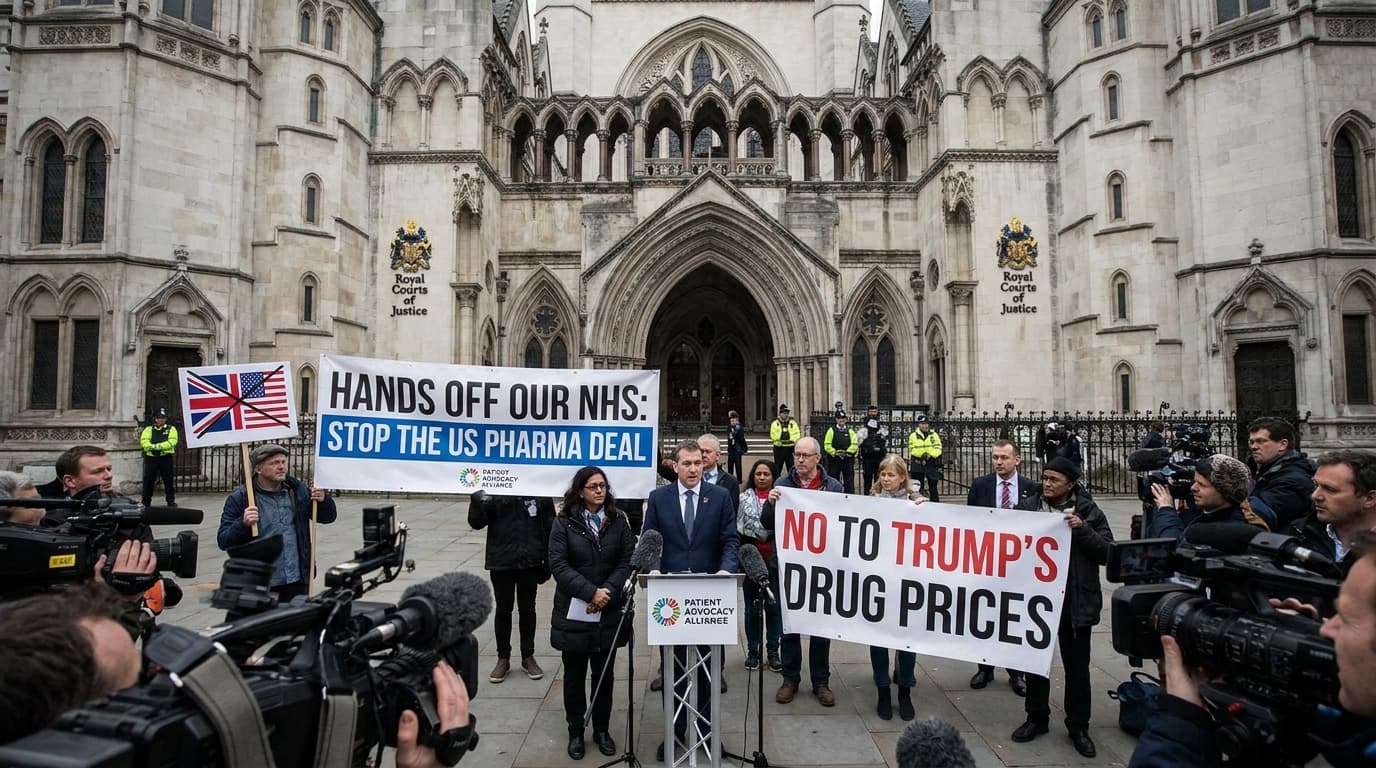
New regulations central to the UK-US pharma trade deal have sparked significant concern among advocacy groups in the UK. These groups argue that the deal contains provisions that could negatively impact public health and access to medicines, prompting threats of court action unless the UK government revokes the controversial regulations. Such developments underscore the complexities at the intersection of trade agreements and healthcare policy.
The recent pharmaceutical trade deal between the United Kingdom and the United States has come under scrutiny as two prominent UK advocacy organizations have threatened legal action, demanding the revocation of certain regulatory measures embedded within the agreement. These regulations, which sit at the core of the trade deal, have raised significant alarms regarding their potential impact on drug pricing, access to medicines, and public health safeguards.
The crux of the dispute centers on provisions that these groups contend could undermine the UK’s ability to control pharmaceutical costs and hinder the adoption of innovative policies aimed at improving healthcare affordability. These provisions are seen by some as favoring pharmaceutical industry interests at the expense of patients and healthcare systems.
This contention follows a pattern where international trade deals intersect with national health policies, often sparking debates on the balance between promoting industry innovation and protecting public health priorities. The threatened court action signals a robust pushback against the perceived encroachment of trade agreements into domestic health regulation.
The advocacy groups argue that the measures could delay the introduction of generic medicines, thereby keeping drug prices high and limiting treatment options for patients. Such outcomes would conflict with the UK’s ongoing efforts to enhance healthcare affordability and accessibility.
Moreover, these developments also reflect the broader geopolitical context in which trade agreements are negotiated, highlighting the challenges that arise when national health policy goals collide with international trade imperatives. The implications of this dispute extend beyond the UK and US, providing a case study on the complex interplay of trade, regulation, and public health in a globalized world.
Stakeholders within the pharmaceutical sector, healthcare providers, policymakers, and patient advocacy groups are closely monitoring this unfolding situation. The legal threat underscores the necessity for transparent, balanced negotiations that heed the concerns of all parties, especially in areas as critical as healthcare.
Going forward, the UK government faces a critical decision on whether to stand by the regulations underpinning the agreement or to amend them in response to the legal challenges. The outcome may set important precedents for future trade agreements involving healthcare provisions, shaping the landscape of pharmaceutical regulation and patient access internationally.
As this legal contest develops, attention will be focused on how it influences the UK's healthcare policy direction, pharmaceutical sector dynamics, and trade relations with the United States.
This situation exemplifies the tensions at the nexus of trade policy and health governance, demonstrating the need for careful consideration of public health impacts in the formulation and implementation of international trade agreements.
Source: STAT News
Join the BioIntel newsletter
Get curated biotech intelligence across AI, industry, innovation, investment, medtech, and policy delivered to your inbox.