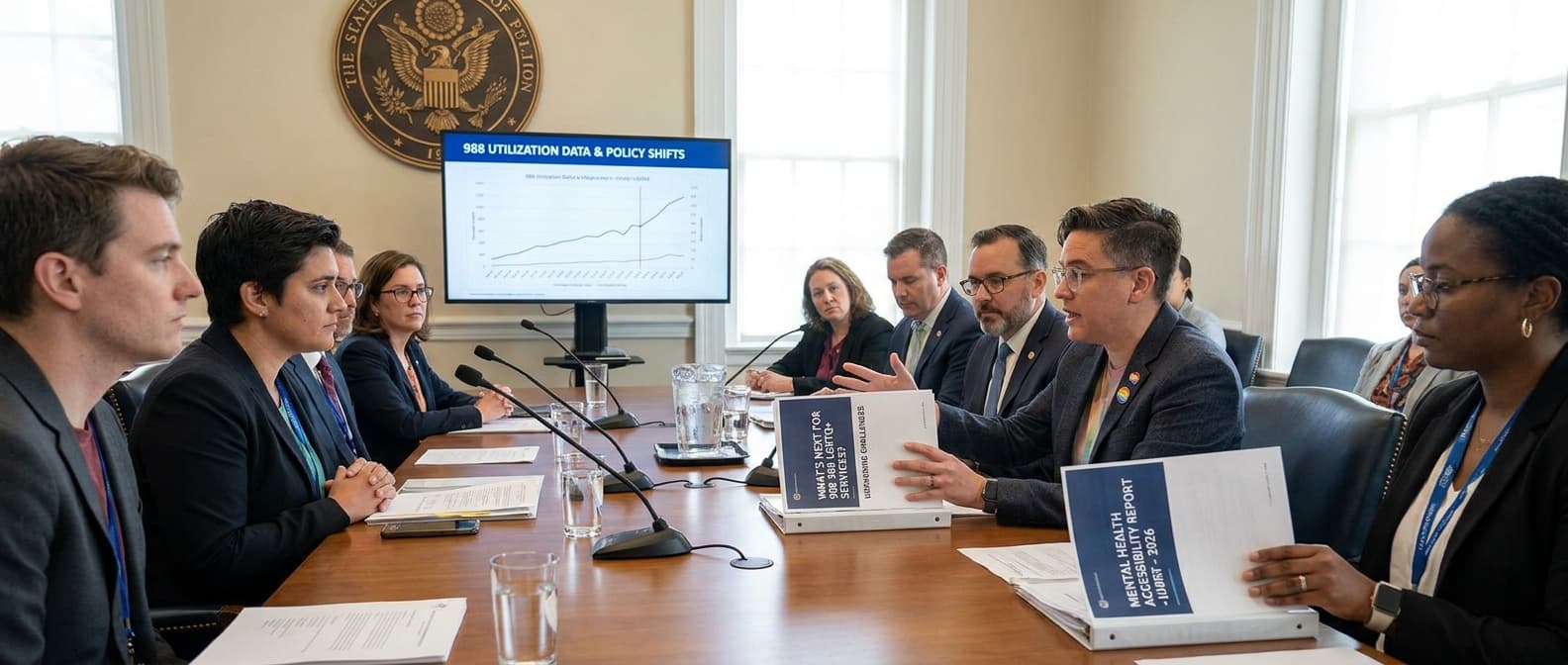
What’s Next for 988 LGBTQ+ Services? Unpacking the Challenges and Future Directions

As debate swirls around the structure and reach of the 988 suicide prevention lifeline, LGBTQ+ services stand at a crossroads. Stakeholders weigh concerns, policy shifts, and the critical importance of tailored support for some of the most vulnerable populations in the U.S.
Introduction
The 988 Suicide & Crisis Lifeline (commonly called "988") is one of the most significant mental health initiatives in contemporary America. Introduced to streamline access to lifesaving support and mental health services, the number promises immediate, confidential assistance. However, as the program matures, certain populations—most notably LGBTQ+ individuals—have called for more specialized resources. As policy, political pressures, and funding questions shift, the trajectory of LGBTQ+ services within the 988 system is under close scrutiny. This report explores the latest developments, systemic challenges, and possible paths forward for LGBTQ+ support under 988.
Historical Context: 988 and LGBTQ+ Support
The 988 line was designed as a universal, easy-to-remember lifeline for people in crisis or at risk of suicide. LGBTQ+ individuals, and especially queer youth, face a notably higher risk of mental health emergencies. Data show that LGBTQ+ youth are significantly more likely to consider or attempt suicide relative to non-LGBTQ+ peers, reflecting the compounding effects of social stigma, discrimination, familial rejection, and violence.
Recognizing this, policymakers and mental health advocates initially prioritized an LGBTQ+ option within the 988 framework. This specialized service was intended to connect vulnerable callers to operators trained in the unique mental health needs of LGBTQ+ communities—needs that can differ markedly from those of the general population.
The Current State: Recent Developments in 988 LGBTQ+ Services
In late June 2026, key health news outlets reported a pivotal moment for 988 LGBTQ+ services. The snippet, "Private ERs, pulmonary hypertension, and other health news from Morning Rounds," hints at a broader context that includes emergency room policies, rare diseases, and specialized helpline services—increasingly relevant as legislative tides shape healthcare delivery.
Despite the initial success and substantial public investment in specialized LGBTQ+ options on the 988 hotline, the future is now uncertain. Policy revisions, political turnover, and debates about the scope of mental health interventions have threatened to undermine, restrict, or even eliminate LGBTQ+-specific supports within the lifeline system. Stakeholders—ranging from advocacy organizations to policymakers, clinicians, and patients themselves—are now reckoning with what these changes mean for the nation’s mental health safety net.
Political Pressures and Policy Shifts
Recent years have seen the 988 program caught in the crosscurrents of evolving political ideologies regarding gender, sexuality, and the role of government-funded mental health services. With dramatically shifting congressional priorities and the turnover of key agency leaders, LGBTQ+ programming can become a flashpoint for broader debates over "culture wars" issues.
While some policymakers argue that specialized LGBTQ+ support is non-negotiable given the disproportionate risk profiles within these communities, others question whether government resources should target specific demographic groups. Funding battles, administrative reshuffling, and attempts to "standardize" (or even roll back) programs have led to operational uncertainty for the LGBTQ+ option on 988.
Stakeholder Perspectives: Patients, Advocates, and Providers
LGBTQ+ Individual Experiences
For LGBTQ+ individuals, the existence of a dedicated 988 option is more than a symbolic gesture—it is a tangible lifeline. Many users report feeling more comfortable and understood by operators who are directly trained in LGBTQ+ mental health and who will not exhibit the bias or ignorance sometimes found in the broader healthcare or crisis support system.
Access to affirming crisis support can mean the difference between life and death for youths facing family rejection, trans people experiencing discrimination, or anyone caught in moments of acute distress. Advocates emphasize that the mere option to identify as LGBTQ+ when calling significantly lowers barriers to help-seeking.
Mental Health Advocates and Policy Organizations
Professional associations and advocacy groups, including major mental health and LGBTQ+ organizations, have been vocal in their support for retaining—and expanding—specialized services. They cite research and lived experience suggesting that general crisis hotlines, while valuable, do not always meet the nuanced needs of LGBTQ+ callers. These advocates stress the importance of:
- Tailored operator training in terminology, family dynamics, and health disparities
- Affirmative language and understanding of identity exploration
- Clear protections around confidentiality and privacy
- Ongoing adaptation to the rapidly evolving social and political environment
Service Providers and Public Health Agencies
On the implementation side, public health agencies and third-party service providers are juggling complex requirements. They must maintain universal accessibility while also responding to advocacy regarding specialized care. The debate is not simply about whether services should exist, but how they should be structured, funded, and evaluated for effectiveness.
The Data: Mental Health Disparities and Outcomes
Elevated Risks for LGBTQ+ Youth
A growing body of empirical evidence demonstrates that LGBTQ+ young people are at drastically heightened risk for suicidality and mental health struggles. Recent surveys from leading research organizations consistently show:
- Nearly 45% of LGBTQ+ youth considered suicide in the past year
- LGBTQ+ youth of color report even higher rates of distress and adverse mental health outcomes
- Experiences of bullying, family rejection, conversion therapy, and legislative targeting lead to escalating levels of crisis
Barriers to Access
At the same time, systemic barriers—lack of insurance, parental unintelligibility or hostility, fears of discrimination by providers—frequently inhibit LGBTQ+ individuals from accessing conventional health care. This compounds the need for trusted, anonymous crisis lines.
Programmatic Challenges: Funding, Execution, and Accountability
While ideals are generally shared—no one disputes the need for urgent care access—the reality of execution presents challenges:
- Funding Inconsistencies: Budget priorities at federal and state levels shift depending on the administration in charge and broader economic pressures. This threatens the long-term viability of specialized programs even when they are effective.
- Variability Across States: Implementation of national hotlines remains highly uneven, with some states providing robust support while others are less equipped or less willing.
- Staffing and Training: Operator turnover, training quality, and cultural competency remain persistent issues, affecting user experience and outcomes.
- Measurement and Quality Control: Current data on outcomes (such as reduced suicide attempts or improved well-being) is still emerging, but advocates argue that the stakes are too high to wait for “perfect” evidence before preserving or expanding programs.
Looking Ahead: What’s Next for 988 LGBTQ+ Services
Key Considerations
As debates intensify over the scope and structure of the 988 lifeline, several key considerations will define the future of LGBTQ+ services:
- Integration vs. Specialization: Should LGBTQ+ support be integrated into every aspect of 988, or remain a standalone option connected to dedicated queues of trained operators?
- Data Collection and Research: There is an urgent need for more systematic data on outcomes, disparities, and service utilization to underpin funding decisions.
- Community Involvement: Meaningful partnerships with LGBTQ+ organizations are crucial for the legitimacy and effectiveness of these services.
- Legislative Safeguards: Advocates push for clear legislative mandates to protect specialized services from abrupt cuts or policy reversals.
- Technology Use: Innovative approaches, including telehealth, chat-based counseling, and even AI-supported triage, could expand reach and improve customization if implemented with care.
The Road Ahead: Balancing Risk, Evidence, and Urgency
The need for LGBTQ+-specific crisis support is not theoretical. Case studies and testimonies from individuals who have been helped—or harmed—by existing options paint a vivid picture of what is at stake. While evaluation and accountability are critical, most researchers and advocates argue that services must not be delayed or reduced while waiting for perfect models or data.
As policies continue to evolve, the challenge will be in preserving the promise of 988 as a lifeline for everyone, while respecting the differential risks and realities faced by LGBTQ+ individuals. The ongoing reexamination of mental health infrastructure, particularly for marginalized communities, demands vigilance, advocacy, and nimble policy response.
Conclusion
The next phase for 988’s LGBTQ+ services will be shaped by a mix of data-driven advocacy, political negotiation, innovation in service delivery, and the input of those most affected. For the millions who see crisis intervention not just as a public good but as a matter of survival, the outcome will reverberate across the broader landscape of mental health and social policy in America.
--
Join the BioIntel newsletter
Get curated biotech intelligence across AI, industry, innovation, investment, medtech, and policy delivered to your inbox.