Which FDA Division Has the Most Stability As AI Tools Get Adopted Across the Agency?

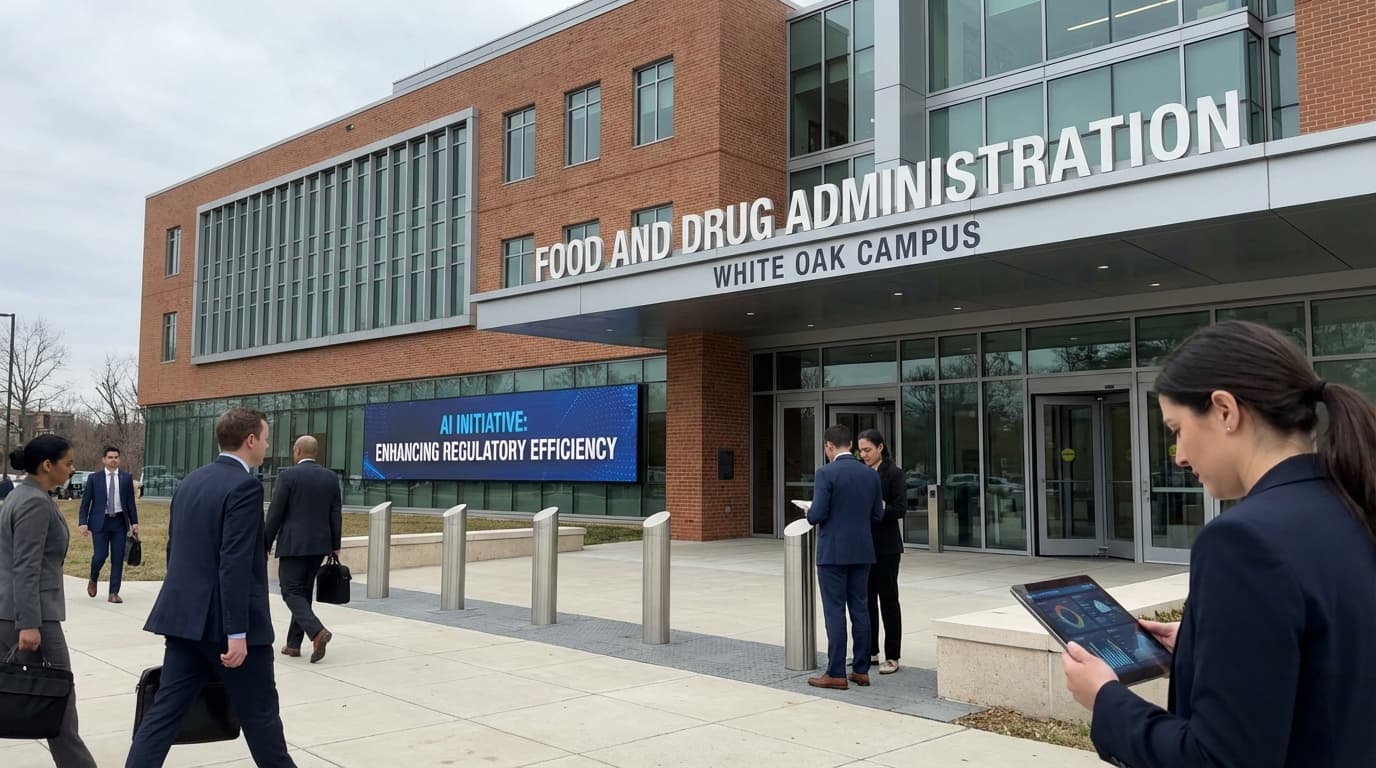
At SXSW, observers detailed the uneven return to stability within the Food and Drug Administration, highlighting which divisions are most secure. Additionally, the gradual integration of AI tools across the FDA's departments exemplifies a broader institutional shift towards technological adoption aimed at improving regulatory processes and decision-making speed.
The Food and Drug Administration (FDA), a critical regulatory body for health product approvals in the United States, experienced significant personnel reductions last year, particularly through the DOGE initiative, which affected the agency's functionality and morale. However, recent reports from SXSW events underscore that stability is returning, albeit unevenly across different FDA divisions.
Two experts monitored the agency's internal dynamics and noted that while some divisions have stabilized and continue to adapt well to their workloads, others are still grappling with lingering challenges from the workforce contraction. This disparity impacts the agency's ability to uniformly implement new technologies and maintain consistent regulatory oversight.
Parallel to these organizational adjustments, the FDA is increasingly adopting artificial intelligence (AI) tools. These cutting-edge technologies are being integrated agency-wide to bolster efficiency in data analysis, product evaluations, and workflow optimization. AI's potential to enhance decision-making speed and accuracy offers meaningful prospects for improving the FDA's regulatory functions.
However, the adoption of AI is not without hurdles. Integrating AI tools into regulatory frameworks requires careful calibration to ensure transparency, reliability, and compliance with existing standards. The variations in division stability may affect the pace and success of AI implementation across the agency.
Overall, the FDA's trajectory suggests a cautious yet optimistic embrace of AI technologies contingent on internal organizational health. This development is of particular interest to stakeholders in healthcare innovation who rely on the agency's timely and precise regulatory actions.
For an in-depth analysis of the FDA's division stability and AI adoption, visit: MedCity News.
Join the BioIntel newsletter
Get curated biotech intelligence across AI, industry, innovation, investment, medtech, and policy delivered to your inbox.