 Apr 24, 2026
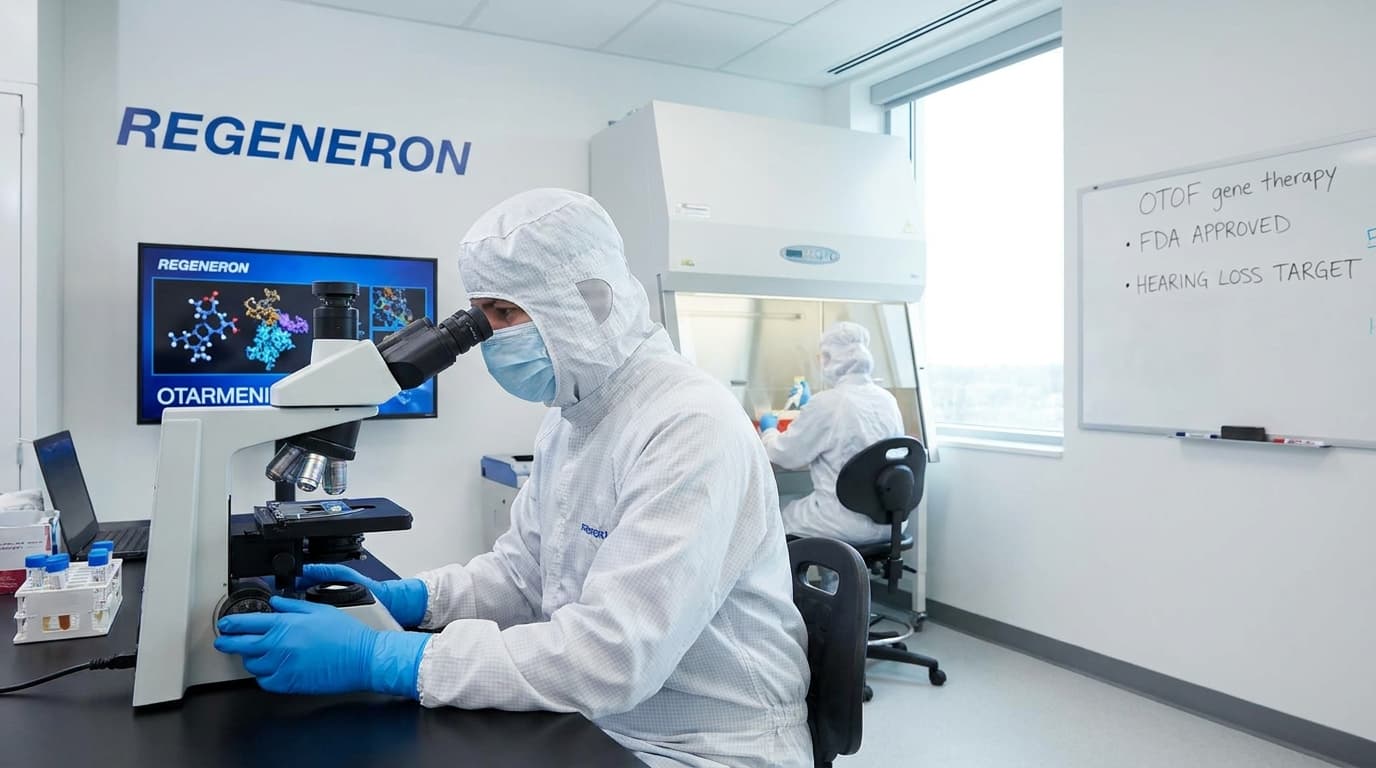
Otarmeni targets hearing loss linked to mutations in the otoferlin gene, a condition affecting approximately 50 newborns annually in the United States. In addition to providing the therapy at no cost, Regeneron received a pediatric disease priority review voucher, underscoring the therapy's significance and potential impact.
 Dr. Alex Morgan
 Apr 23, 2026
The heart, by virtue of its relentless rhythm, could be naturally protected against cancer. This new theory stems from mouse model studies and opens innovative avenues for cancer prevention research. The findings invite further exploration into how mechanical forces influence cancer biology.
 Sophia Reynolds
 Apr 22, 2026
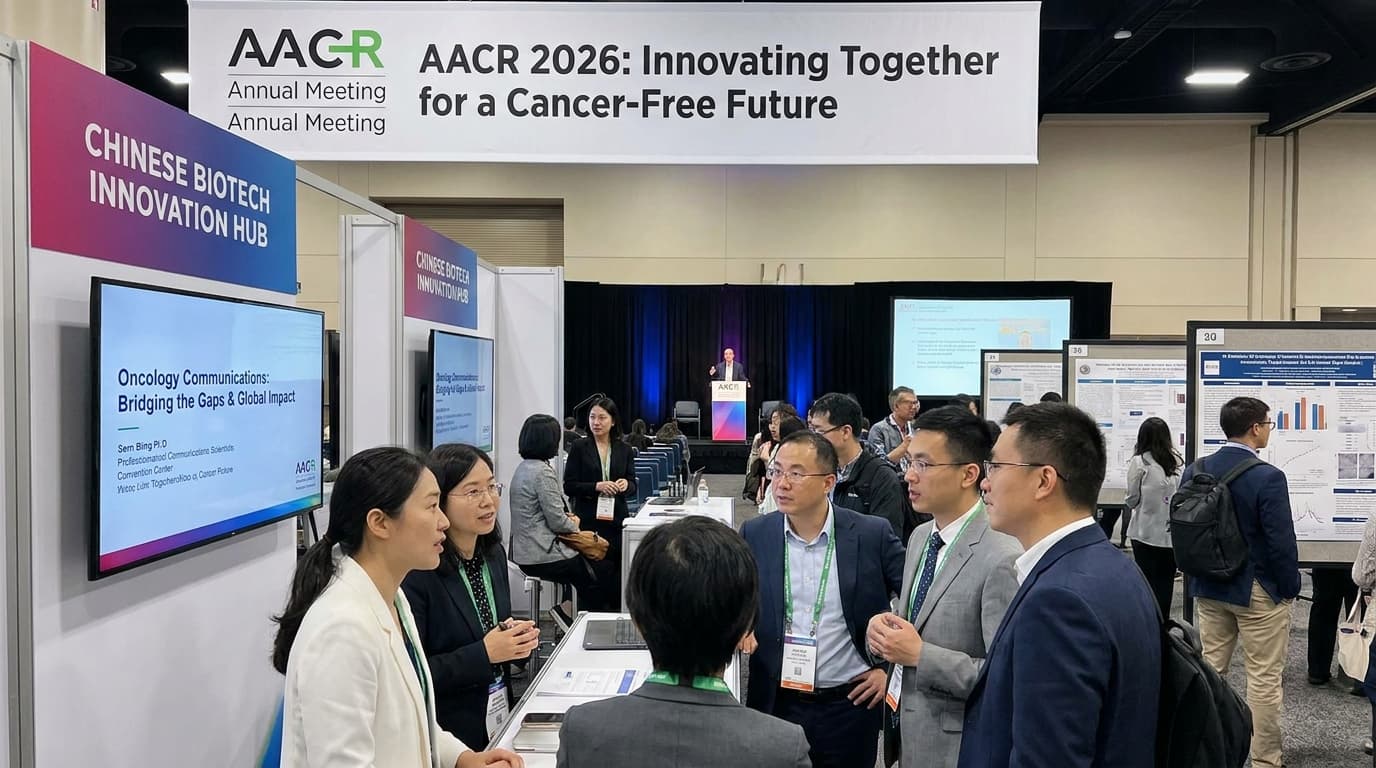
At the 2026 annual meeting of the American Association for Cancer Research (AACR), key topics included the increasing prominence of Chinese biotech companies in the arena of cancer research alongside an examination of ongoing communication issues in oncology. These discussions reflect broader trends in global biotech innovation and highlight critical barriers that impact how oncology research and treatments are conveyed among stakeholders.
 Dr. Priya Nandakumar
 Apr 21, 2026
Advancements in cardiovascular risk management are underway as BioAge announces promising early results for its investigational pill that significantly mitigates inflammation, a key underlying factor in cardiovascular disease development. These findings underscore a potential new approach to reducing heart risks through modulation of inflammatory processes.
 Emily Carter
 Apr 21, 2026
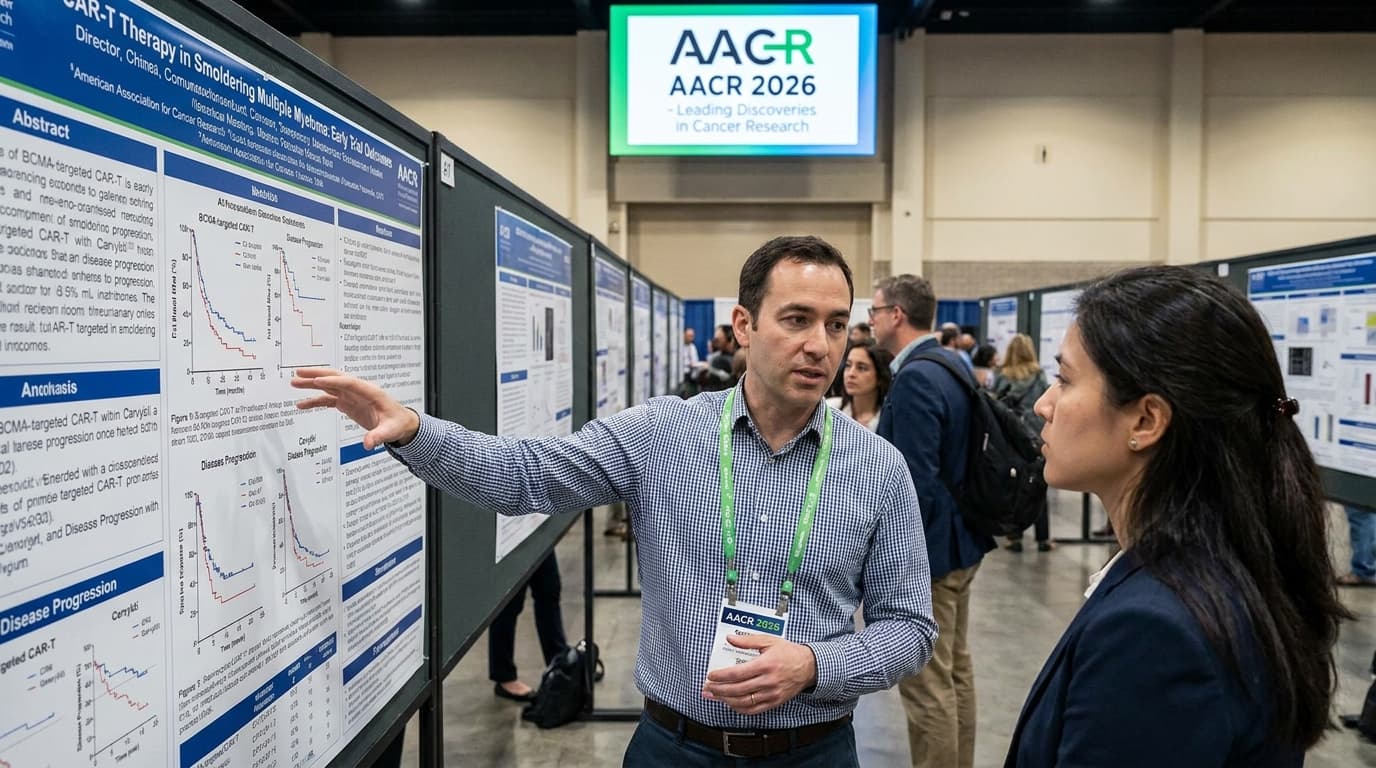
The American Association of Cancer Researchers' 2026 meeting showcased pioneering research in CAR-T immunotherapy. This includes bold approaches to targeting smoldering multiple myeloma, with trial data offering new hope for high-risk patients by potentially preventing the onset of active disease. The session also touched upon Merck’s strategic oncology initiatives and highlighted rural health disparities.
Emily Carter 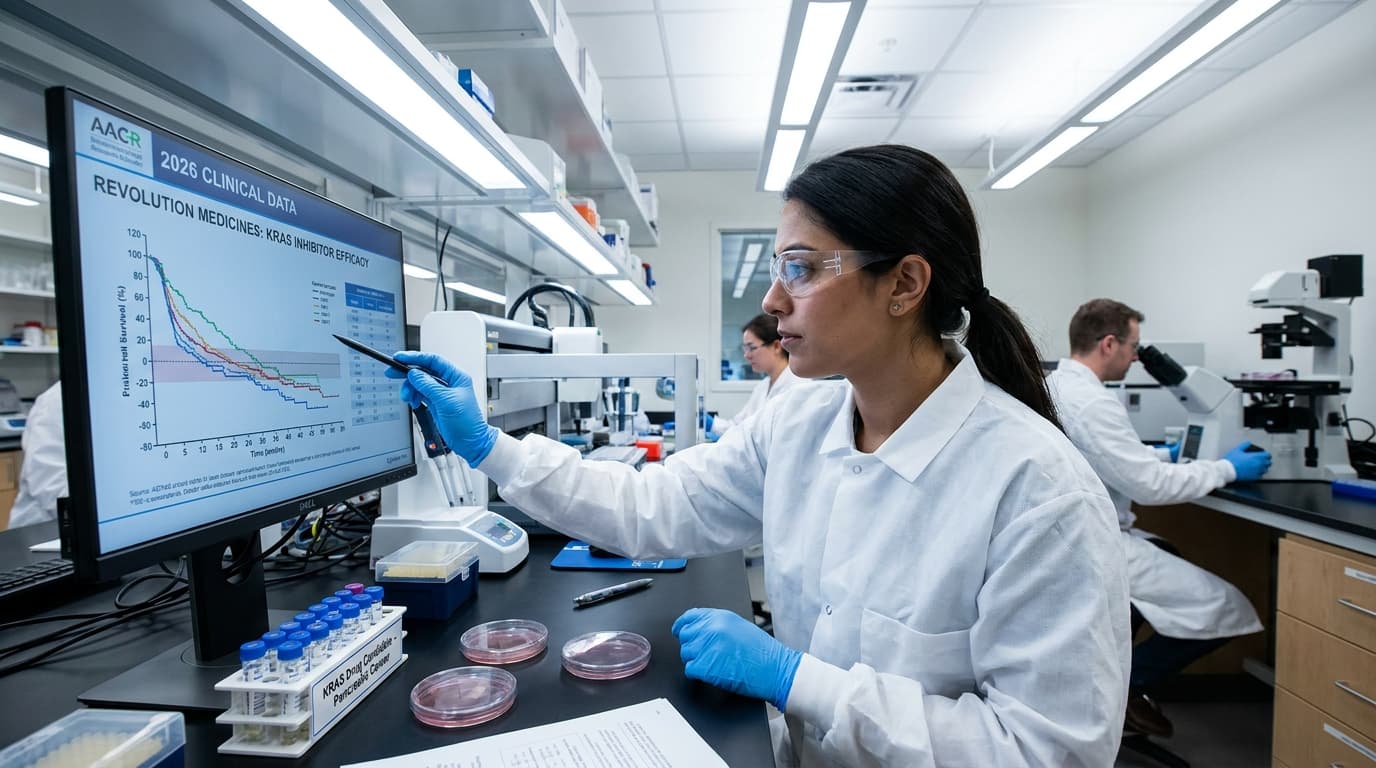 Apr 20, 2026
At the American Association of Cancer Researchers' 2026 annual meeting, significant new data was unveiled showcasing the effectiveness of Revolution Medicines’ KRAS-targeting drug. This breakthrough treatment shows potential to redefine therapeutic strategies for cancers driven by KRAS mutations, a historically challenging target in oncology.
 Michael Torres
 Apr 17, 2026
Pancreatic cancer has long posed a formidable challenge to oncologists due to its aggressive nature and limited treatment options. Recent developments from Revolution Medicines, highlighted by a leading expert at NYU Langone, suggest the study of Daraxonrasib could mark a turning point in therapeutic strategies for this disease. This article explores the scientific premise, trial insights, and implications for patients and clinicians alike.
Dr. Alex Morgan 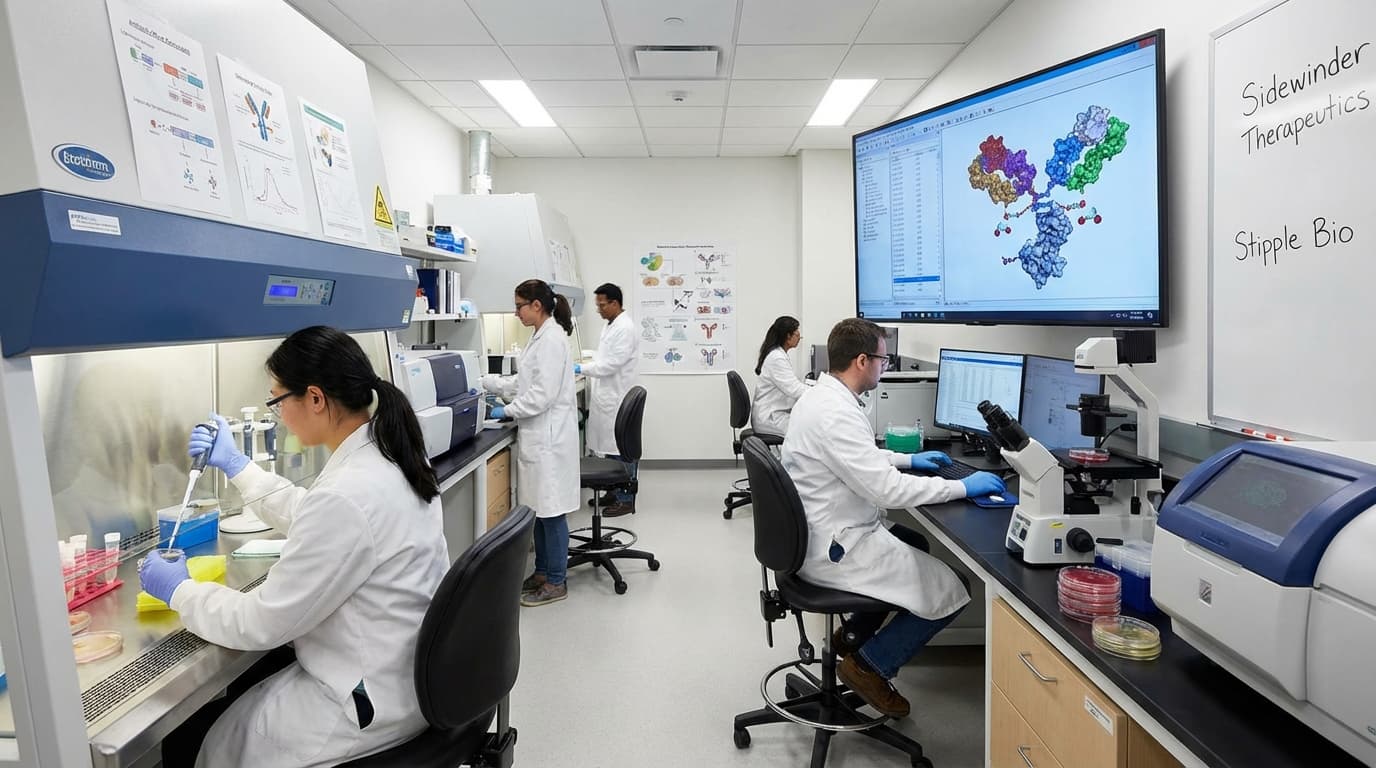 Apr 12, 2026
Antibody drug conjugates (ADCs) represent a promising class of targeted cancer treatments that deliver cytotoxic agents directly to tumors. Recent mega-round funding for biotech startups Sidewinder Therapeutics and Stipple Bio underscores the growing interest and innovation in this space. Both companies are on track to enter clinical trials next year to test their novel approaches aimed at overcoming limitations of current ADCs and refining their specificity and effectiveness.
Michael Torres 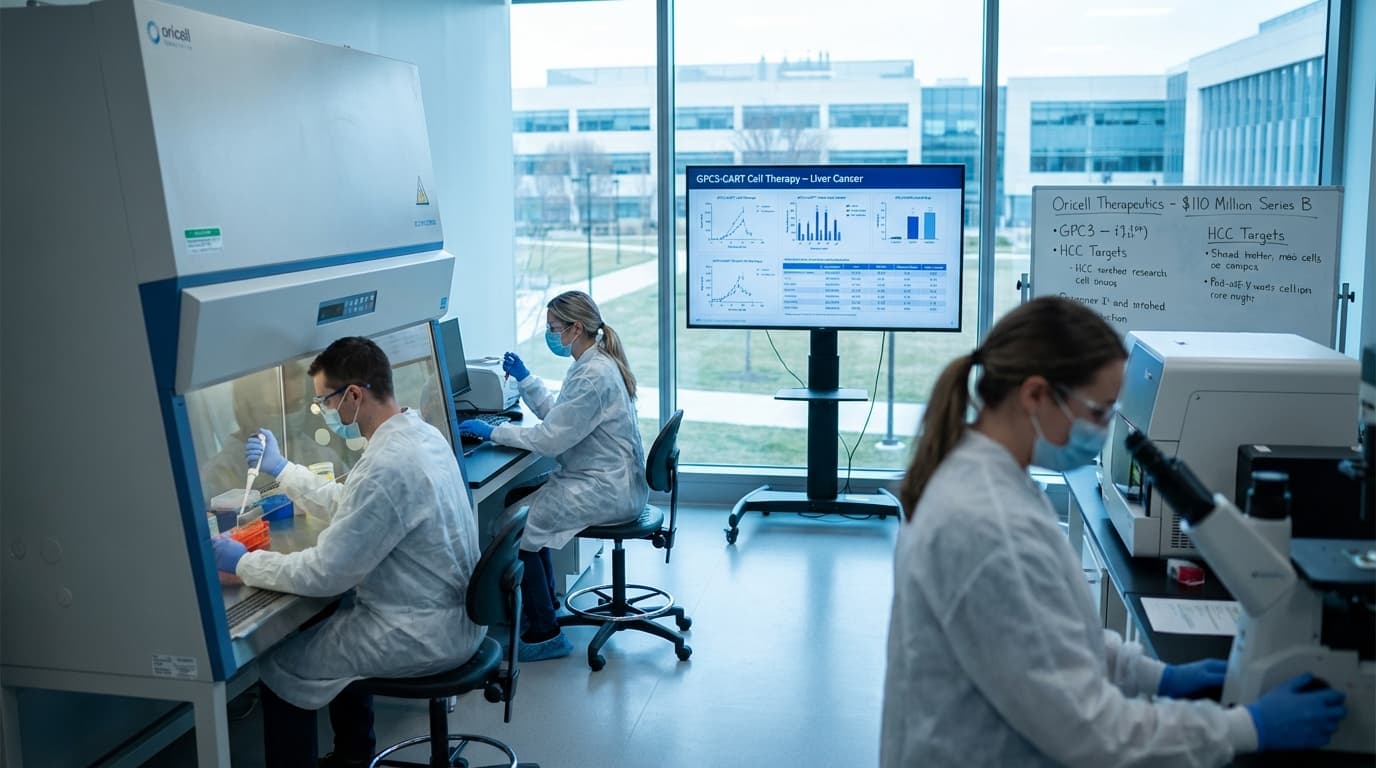 Apr 11, 2026
With no FDA-approved therapies directly targeting GPC3 in hepatocellular carcinoma, Oricell’s cell therapy project aims to fill a critical unmet need in liver cancer treatment. However, it faces competition from major pharma and biotech players. This article explores the potential impact of Oricell's funding and the challenges ahead.
 Daniel Cho
 Apr 9, 2026
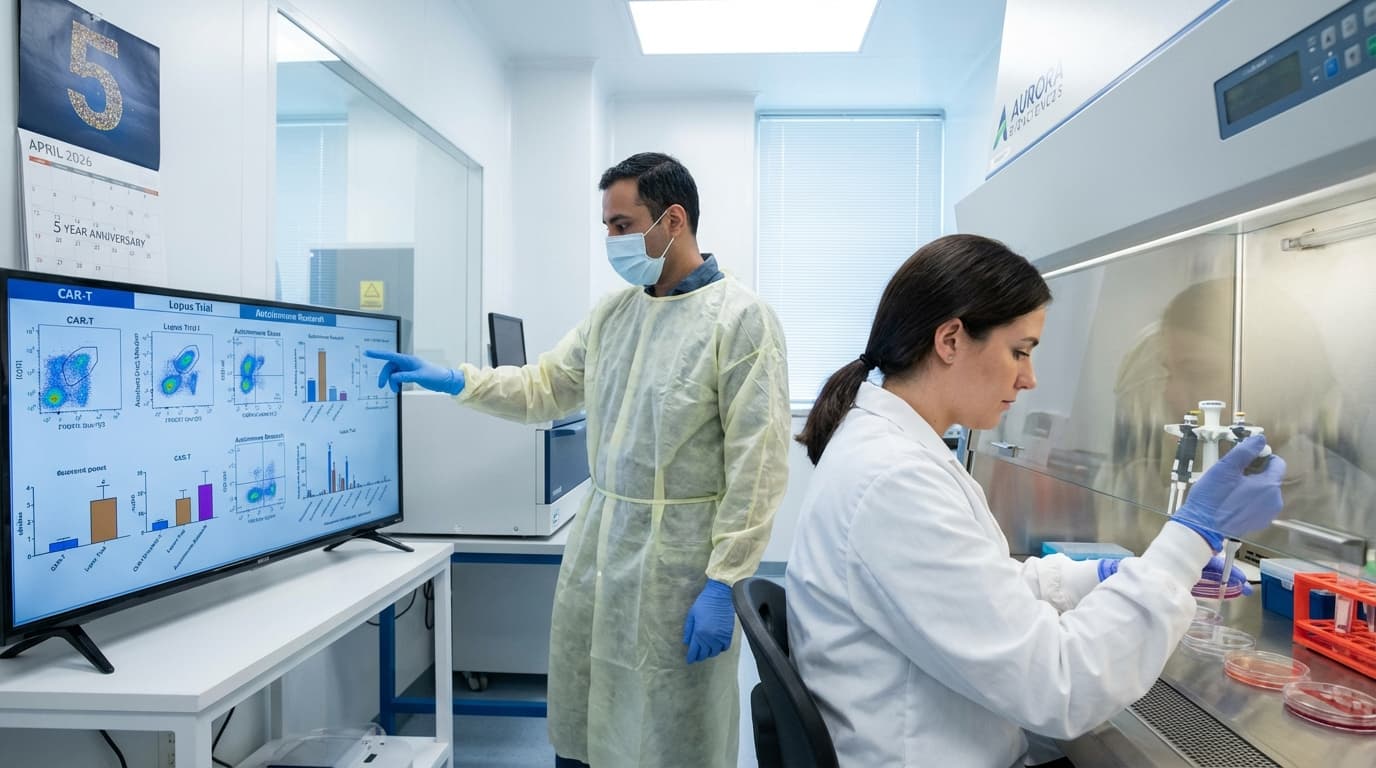
Innovations in CAR-T therapy initially heralded as transformative for lupus continue to gain momentum, demonstrating effectiveness across a spectrum of autoimmune diseases. This development has stirred considerable experimentation and investment from both academic and private sectors eager to harness the immunotherapeutic potential against chronic autoimmunity.
Dr. Alex Morgan 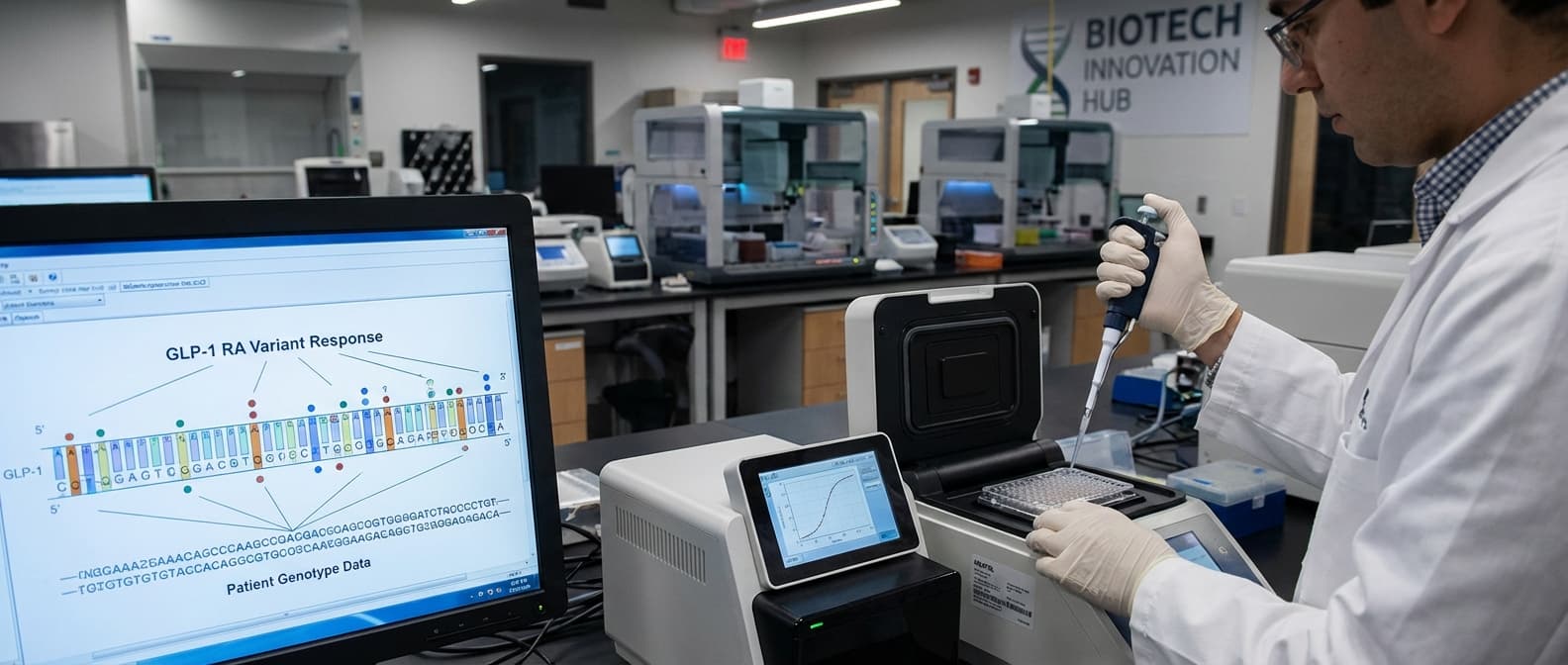 Apr 9, 2026
GLP-1 receptor agonists have revolutionized treatment for obesity and diabetes. Emerging evidence shows that genetics might have a subtle impact on how individual patients experience efficacy and side effects from these drugs. Understanding these nuances could refine personalized medicine approaches in biotech.
Michael Torres 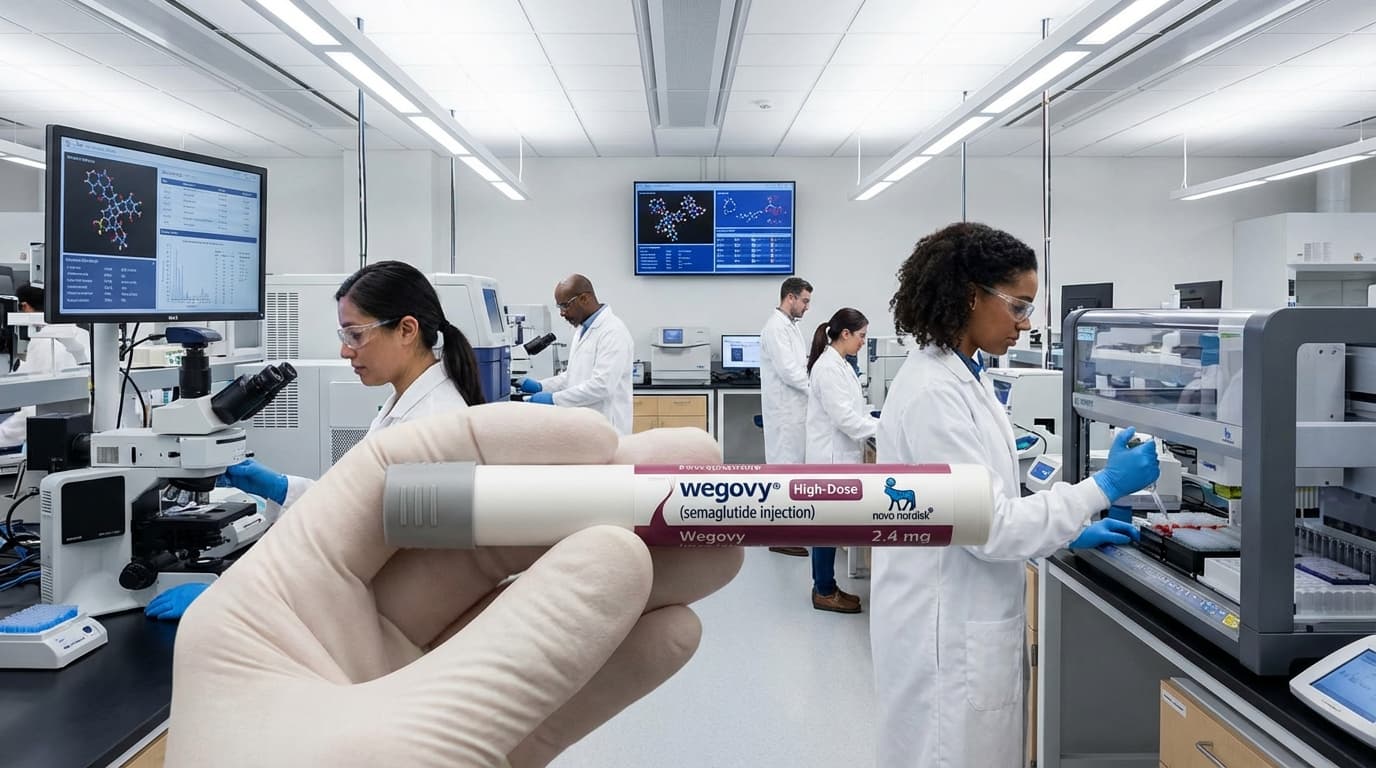 Apr 7, 2026
The launch of the high-dose Wegovy variant represents a significant development in obesity pharmacotherapy. As metabolic diseases and obesity remain critical public health challenges globally, this enhanced formulation offers the potential for greater efficacy, addressing an urgent need for improved treatment options. The competitive race in obesity drug development intensifies with this launch, influencing insurer strategies and healthcare delivery.
Dr. Alex Morgan 