 May 1, 2026
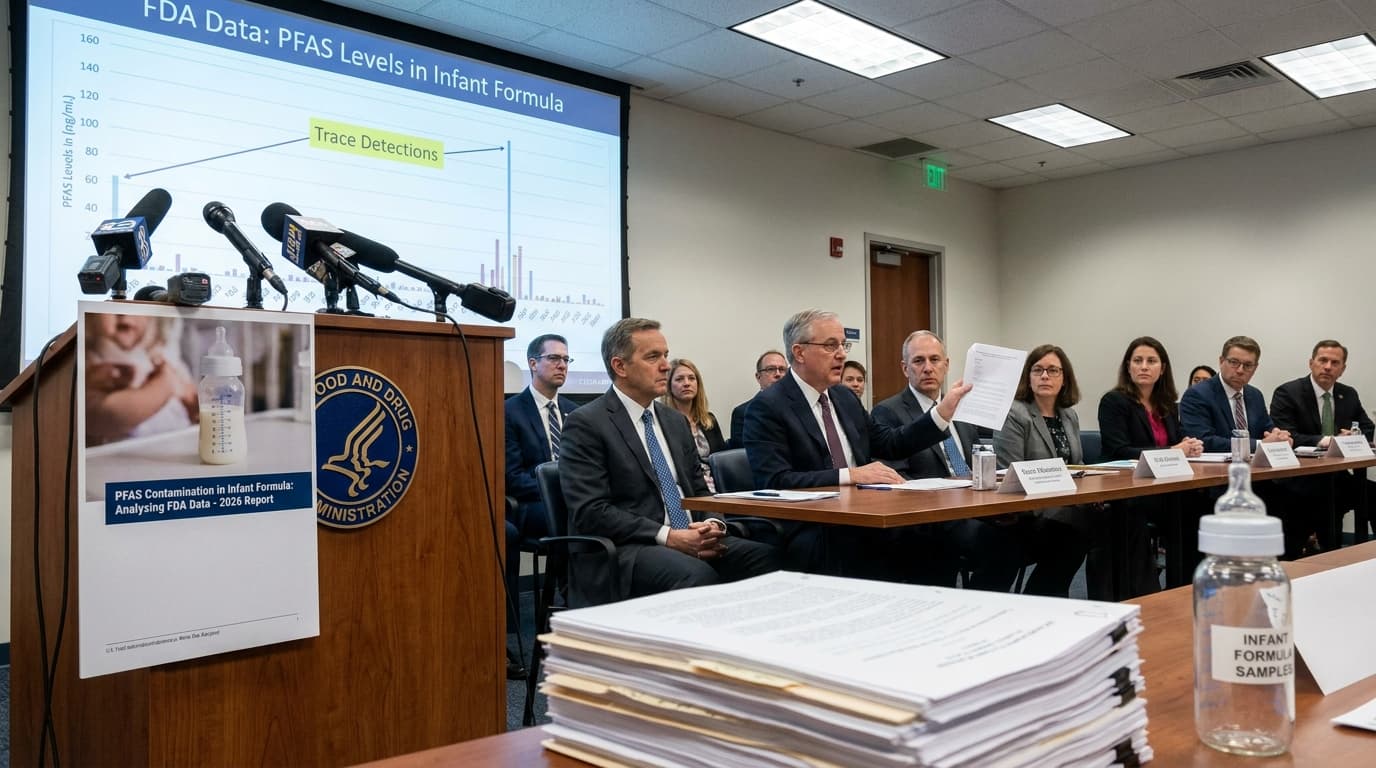
Studies and FDA reports indicate the presence of 'forever chemicals' in infant nutrition products, prompting scientific scrutiny and discussions about regulatory thresholds and consumer safety in 2026.
 Dr. Priya Nandakumar
 May 1, 2026
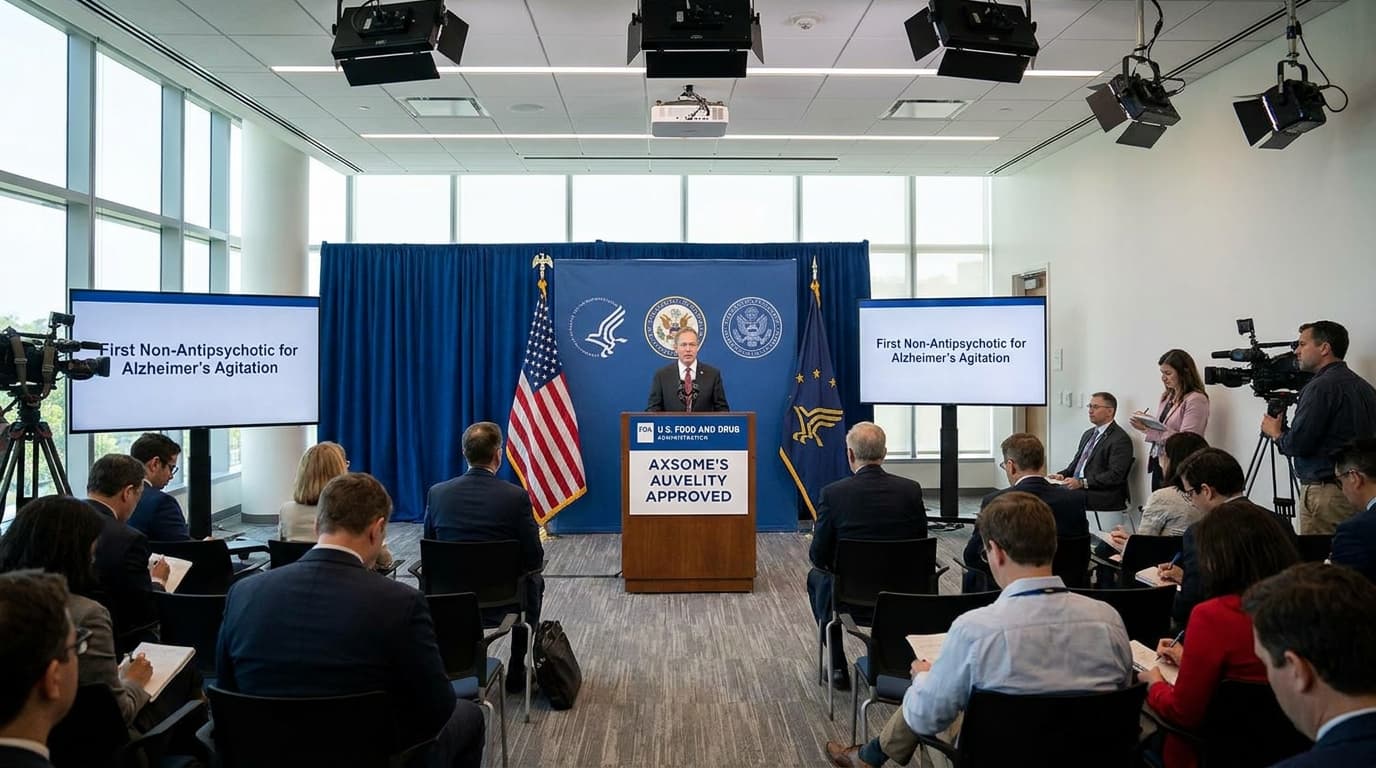
Auvelity by Axsome marks a breakthrough in the treatment of agitation in Alzheimer's patients, offering a novel therapeutic alternative distinct from antipsychotics. Analysts predict this approval could translate into a substantial commercial success, reflecting unmet needs in neuropsychiatric symptom management in Alzheimer's disease.
 Emily Carter
 May 1, 2026
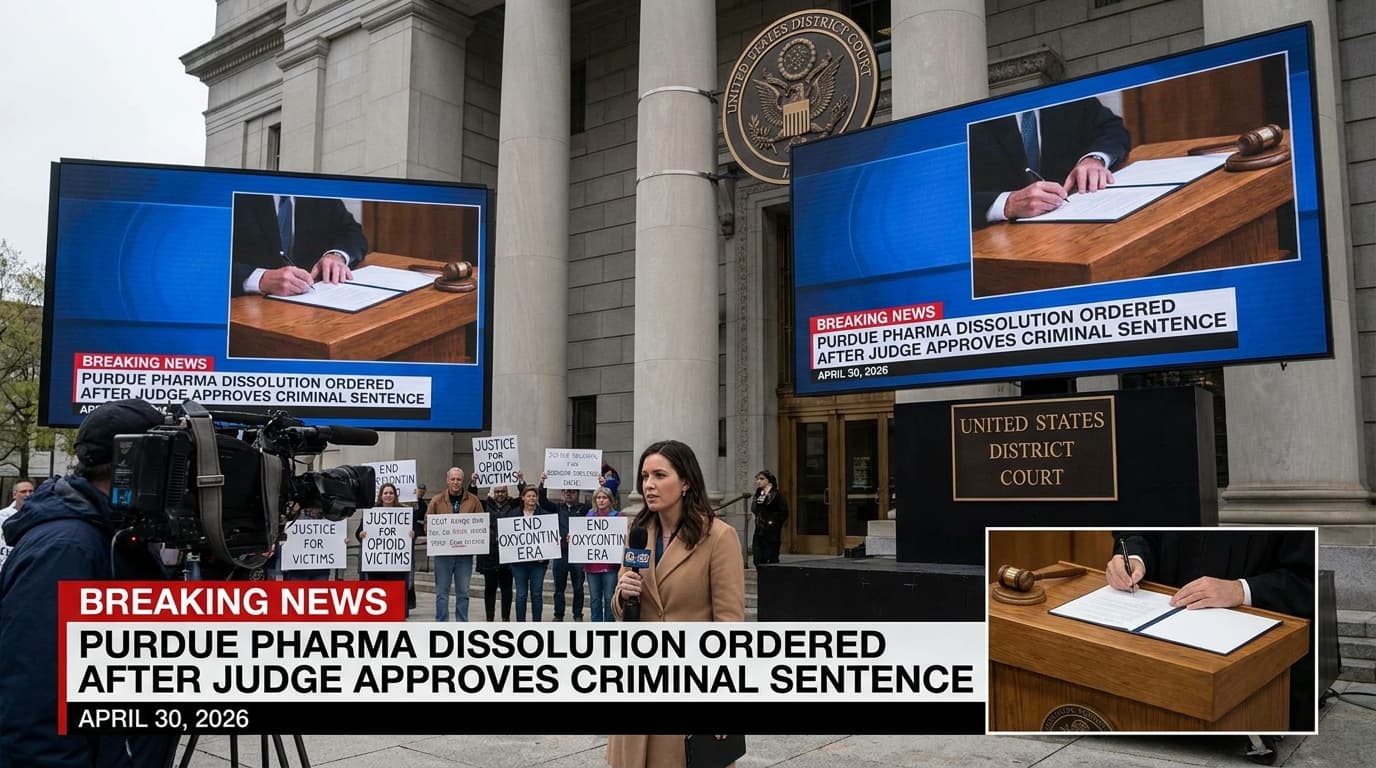
Purdue Pharma, long embroiled in legal battles linked to the opioid epidemic, faces dissolution after a federal judge sanctions the company's criminal sentence agreement. This development marks a pivotal moment in the regulatory and legal reckoning with pharmaceutical companies implicated in public health crises. The company's dismantling will have significant impacts on the biopharmaceutical industry, legal accountability, and future pharmaceutical regulation.
 Sophia Reynolds
 Apr 30, 2026
The FDA’s Center for Biologics Evaluation and Research (CBER) plays a crucial role in regulating vaccines, blood products, and cellular and gene therapies. Katherine Szarama’s appointment as acting director places her at the helm of decisions affecting public health and innovation in biologics. This post explores the implications of her leadership and what it could mean for the future regulatory environment.
Sophia Reynolds 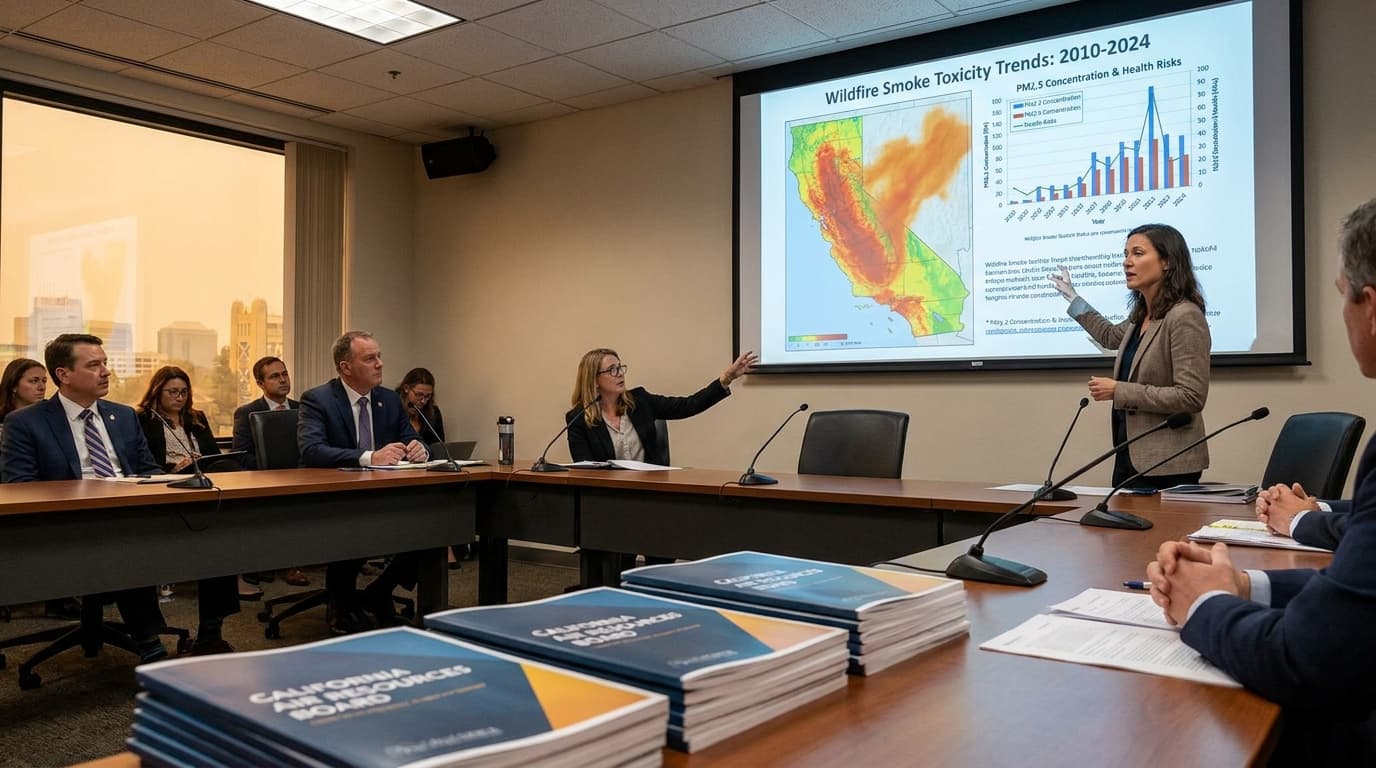 Apr 30, 2026
The frequency and severity of wildfires have escalated globally, leading to increased emissions of harmful pollutants. New data reveal not only more frequent exposure to wildfire smog but also an increase in its toxicity, which has significant implications for respiratory and cardiovascular health.
Emily Carter 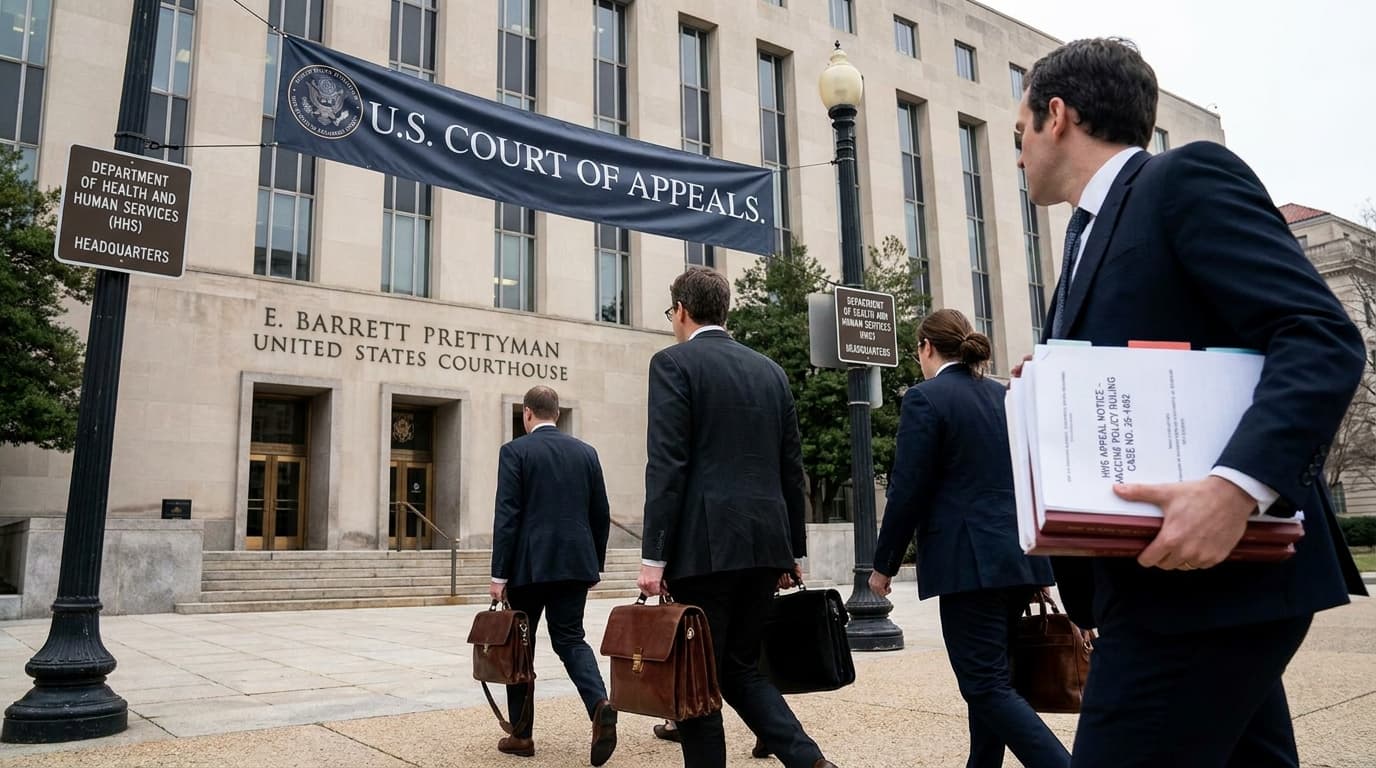 Apr 30, 2026
The appeal by HHS against the court’s decision marks a significant development in the debate over vaccine policy alterations introduced under Kennedy’s leadership. The case highlights legal, regulatory, and public health implications that may shape future vaccine governance in the United States.
 Daniel Cho
 Apr 29, 2026
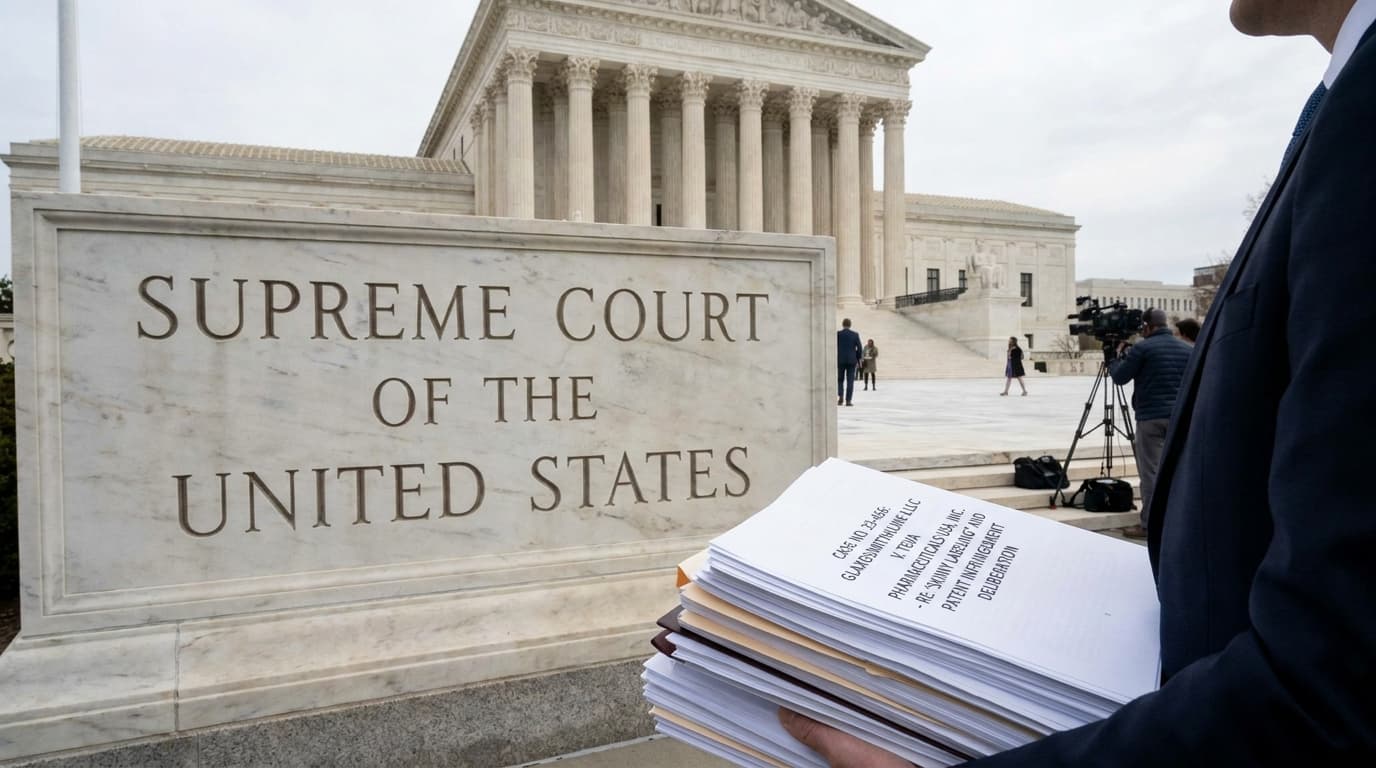
The issue of 'skinny labeling'—where generic drug manufacturers label their products to deliberately exclude patented uses—has emerged as a significant regulatory and legal challenge in the pharmaceutical industry. The Supreme Court’s recent deliberations could shape the landscape of generic drug market entry and patent enforcement.
 Michael Torres
 Apr 29, 2026
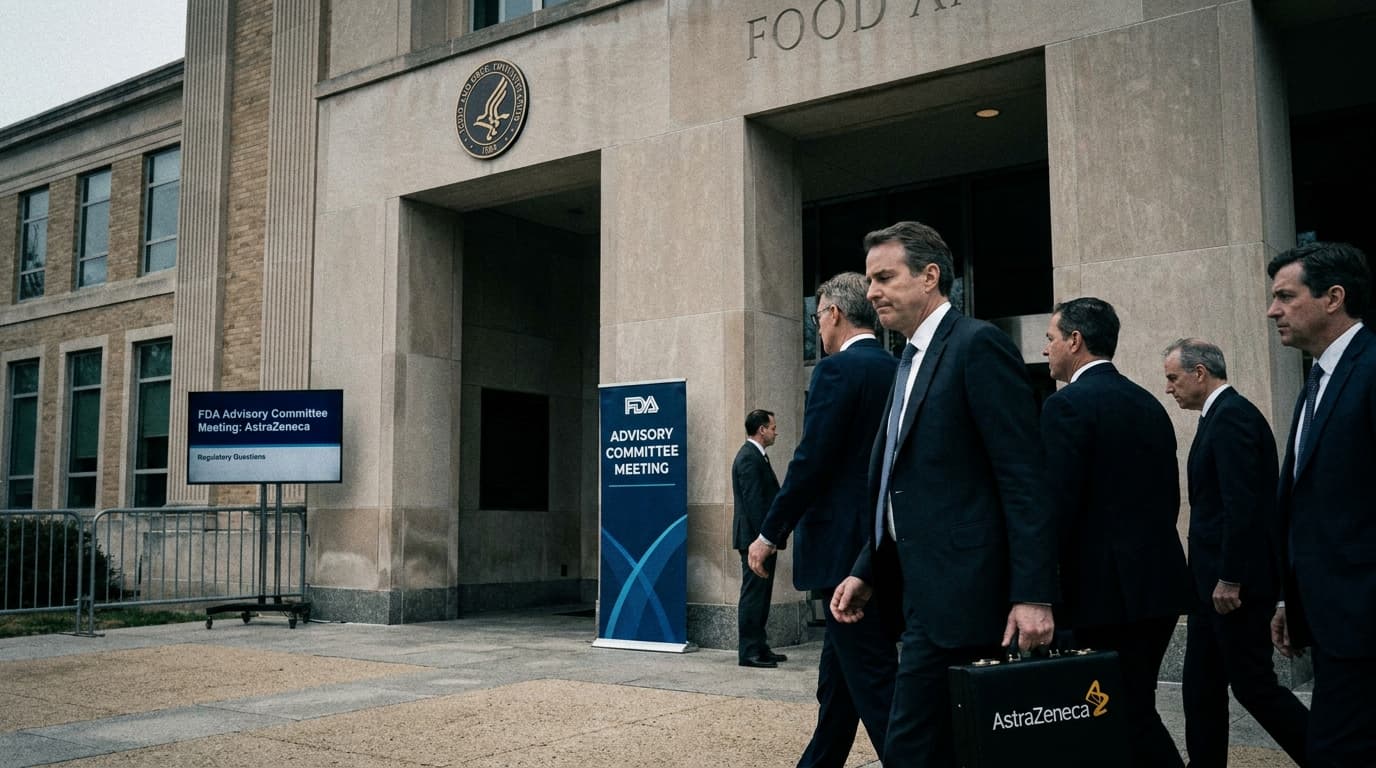
Facing rigorous FDA scrutiny, AstraZeneca must address critical concerns regarding data integrity and clinical efficacy as part of its ongoing regulatory review. This post examines the key challenges at play, potential impact on market access, and the wider implications for regulatory pathways in the biopharma industry.
Dr. Priya Nandakumar 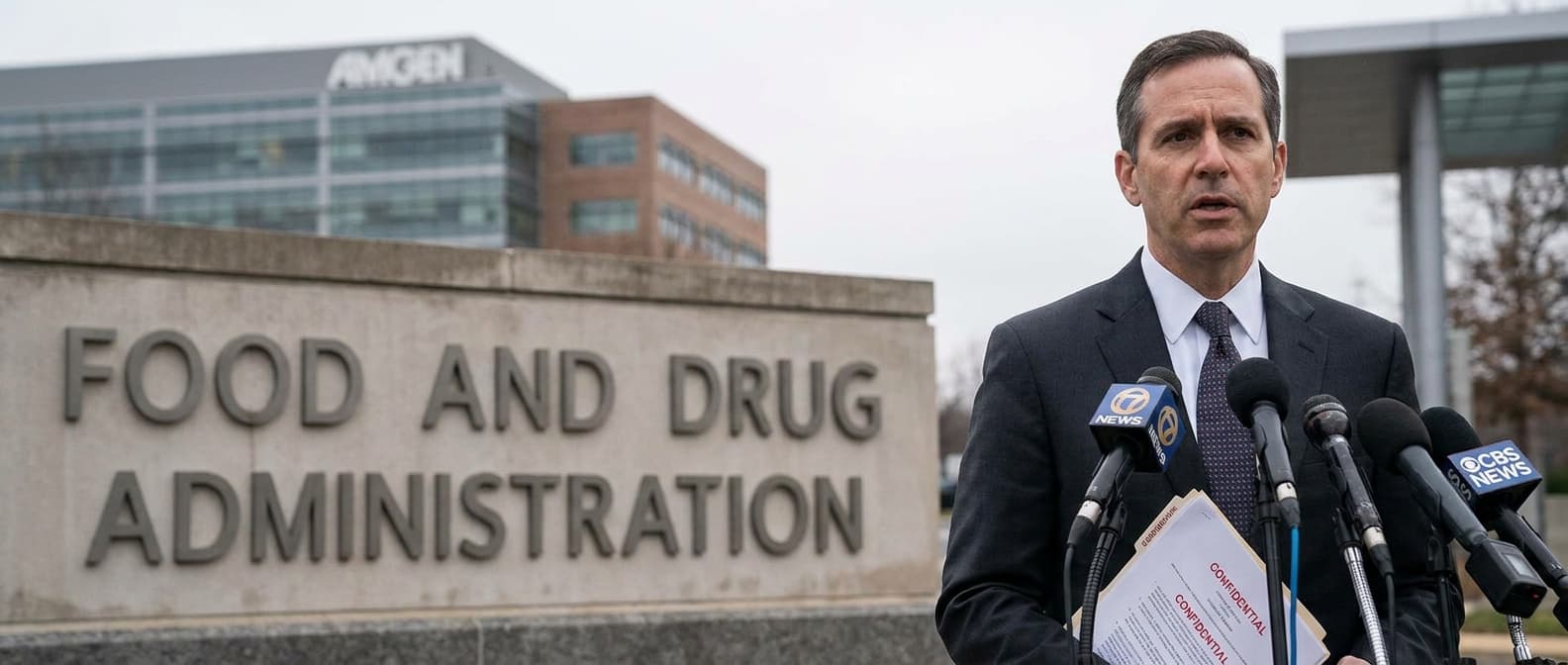 Apr 29, 2026
Recent allegations by the FDA focus on potentially manipulated data underpinning the approval of a leading autoimmune therapy developed by Amgen. This post analyzes the claims, the context of approval pathways, and the potential repercussions for the pharmaceutical industry and patients alike.
Michael Torres 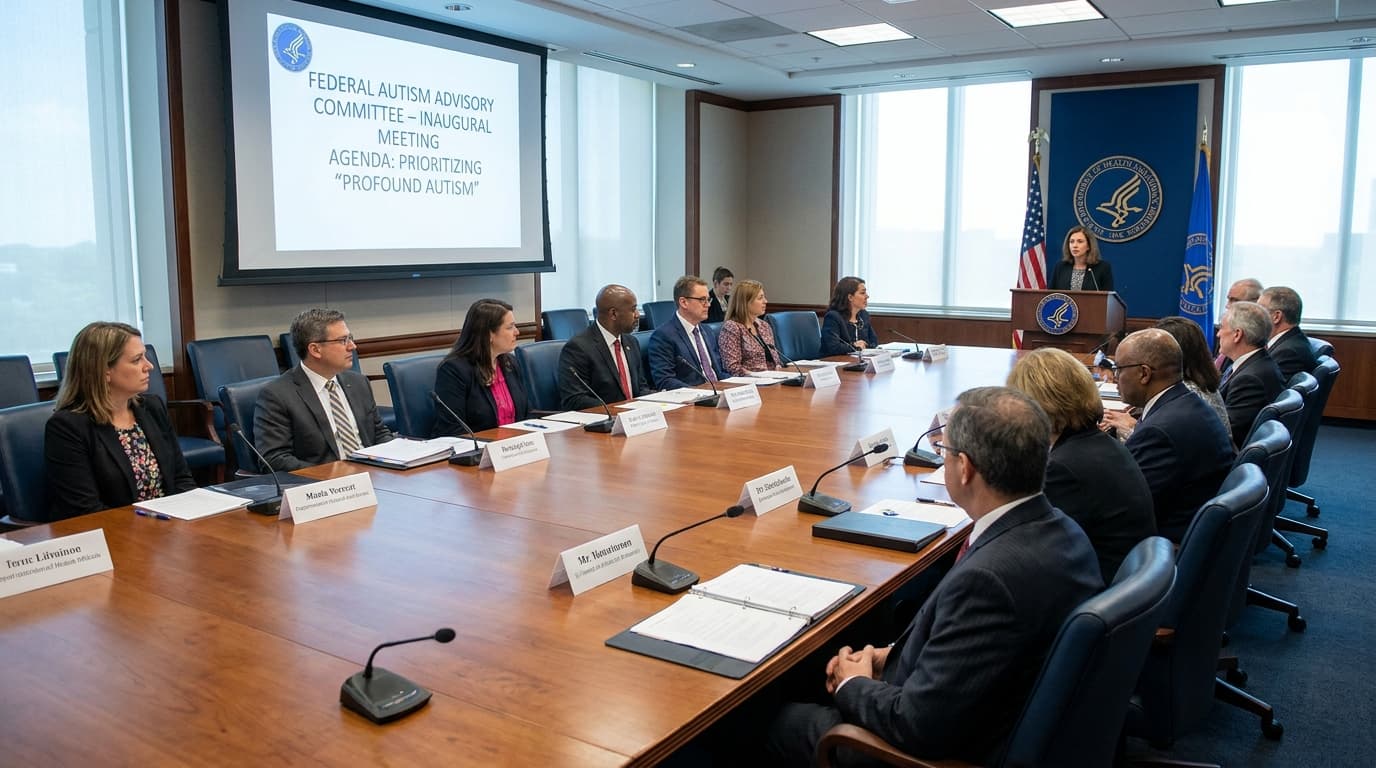 Apr 29, 2026
In its initial session, the federal autism advisory committee spotlighted ‘profound autism’, a term garnering increased attention for its impact on policy and service provision. This post delves into the committee's objectives, challenges faced, and the broader implications for health care systems and families.
Daniel Cho 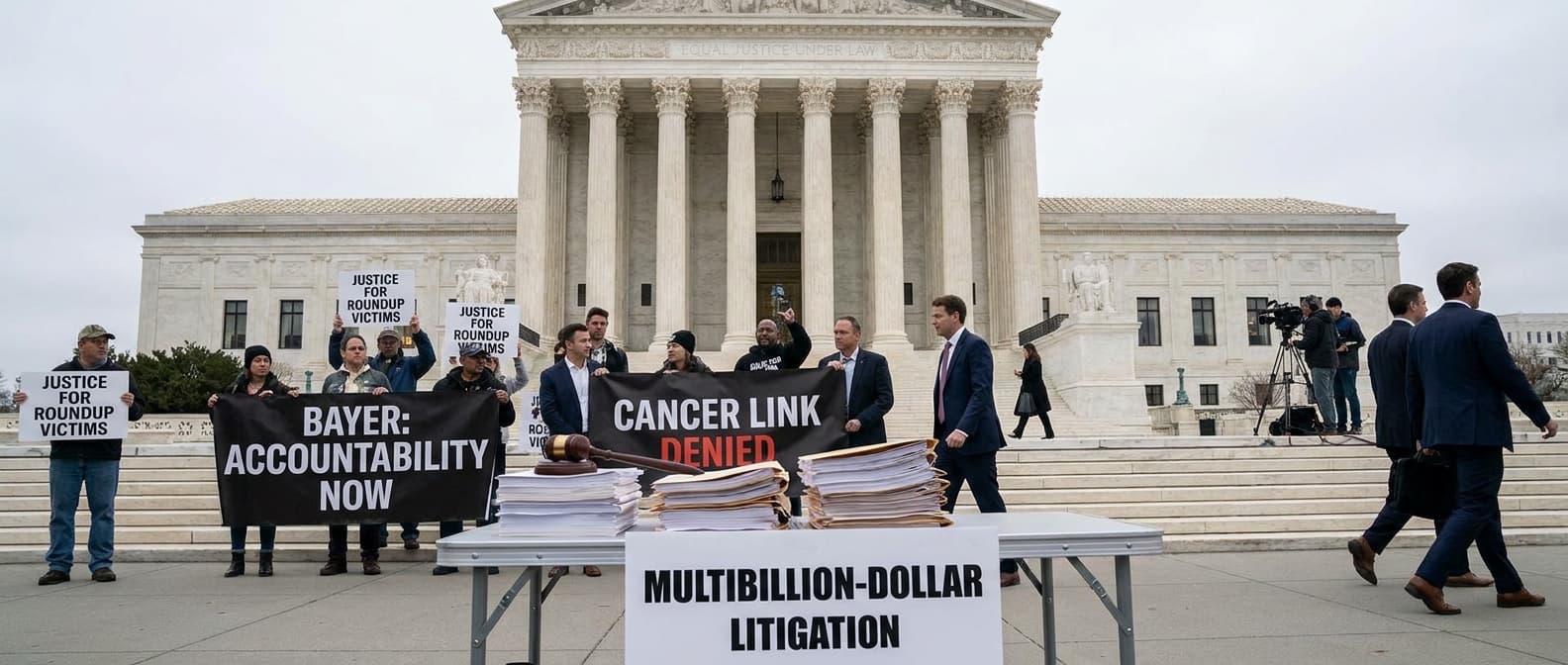 Apr 28, 2026
Roundup, a weedkiller previously at the center of numerous cancer-related claims, faces renewed scrutiny as the Supreme Court takes up the wave of lawsuits. This legal examination holds broad significance for regulatory frameworks, manufacturer liability, and public health policy.
Daniel Cho 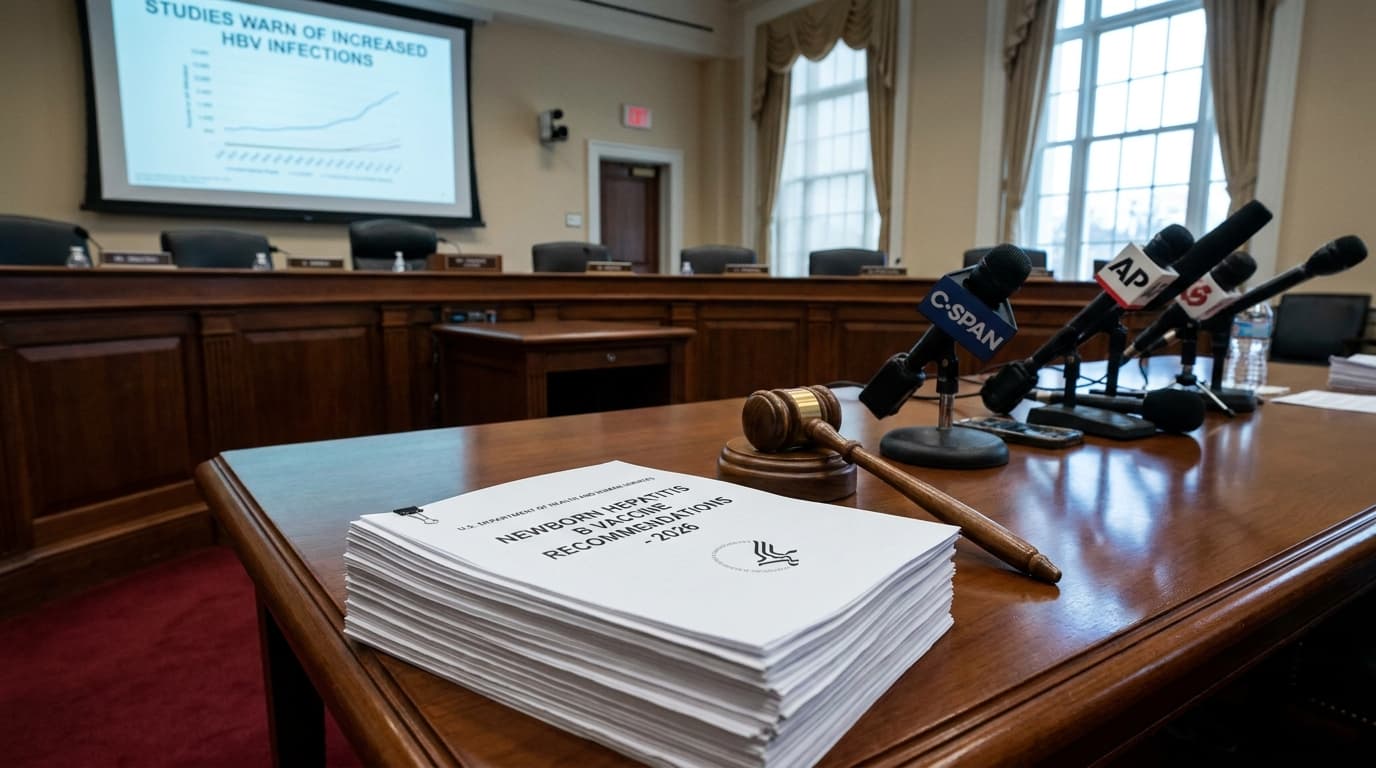 Apr 28, 2026
Vaccination policy changes in the U.S. concerning hepatitis B immunization for newborns have sparked concern based on research projecting serious consequences. These findings highlight the potential impact on public health and raise questions about the future management of hepatitis B prevention strategies.
 Dr. Alex Morgan