 Jun 19, 2026
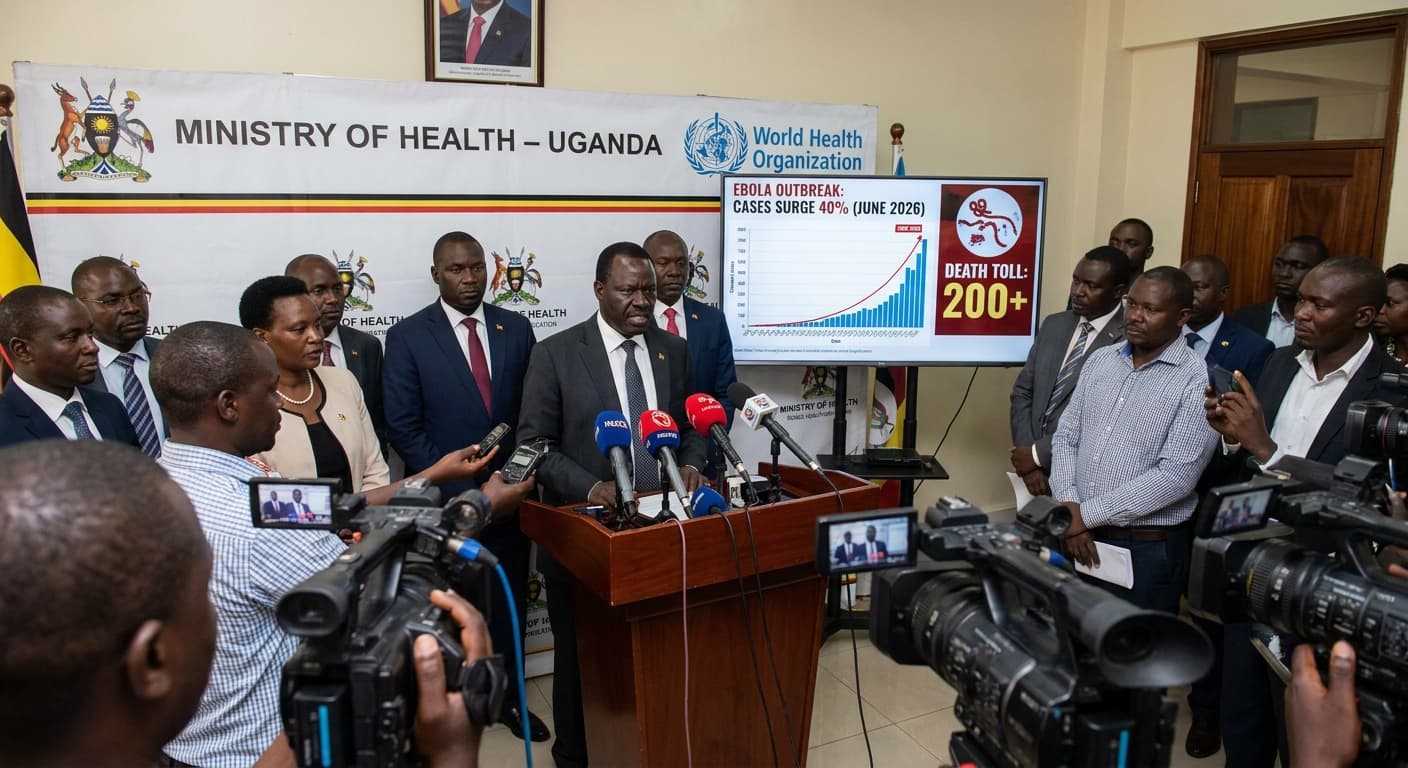
A dramatic surge in Ebola cases in Congo and Uganda underscores the urgency of coordinated global health responses and offers a sobering look at ongoing gaps in outbreak detection and containment. With the death toll crossing 200 and public health infrastructure under strain, regional and international collaboration will be pivotal in containing the epidemic and preventing further spread across borders.
 Dr. Priya Nandakumar
 Jun 19, 2026
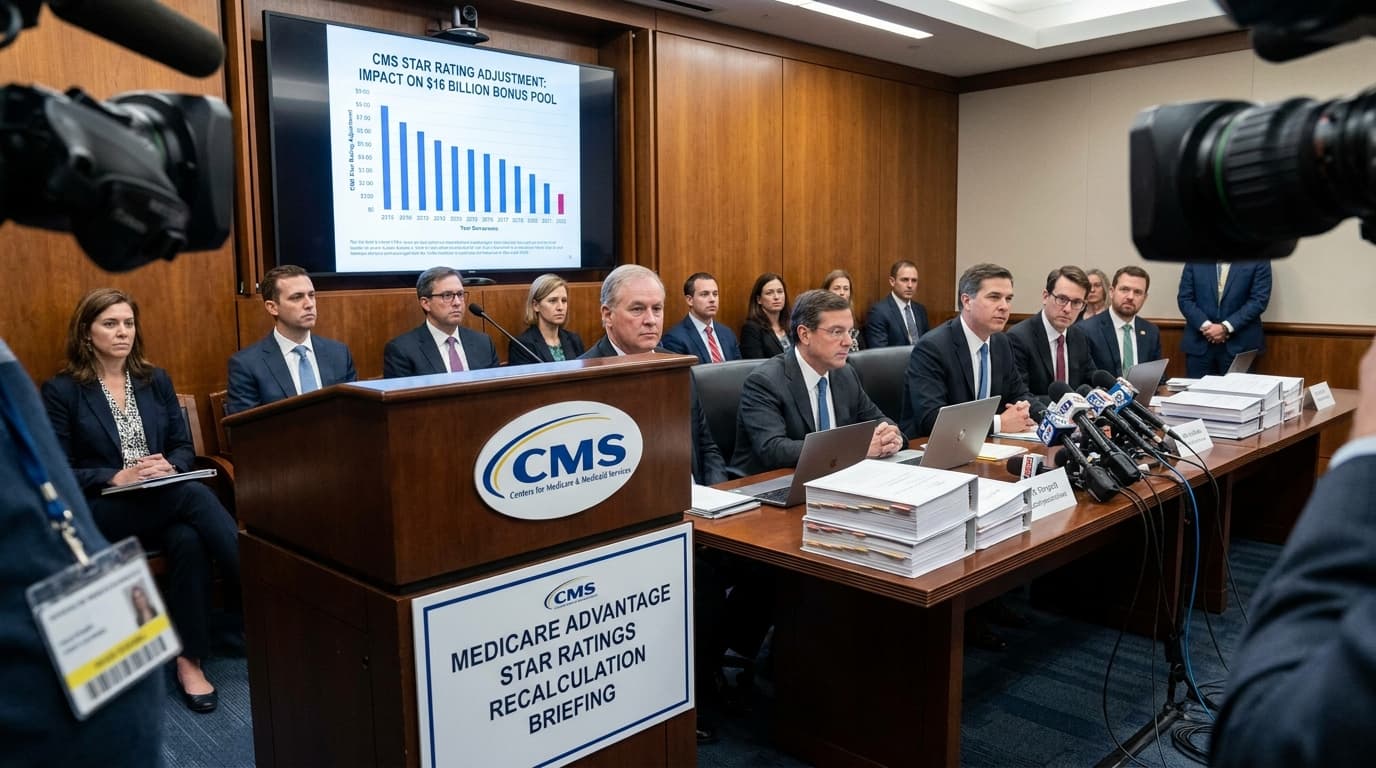
Medicare Advantage star ratings have always played a pivotal role in determining which plans receive lucrative bonus payments from CMS. This recalculation, arriving amid ongoing industry lawsuits and heated scrutiny, is causing fresh uncertainty for plans and providers.
Dr. Priya Nandakumar  Jun 18, 2026
Confirmed overdose deaths involving nitazene-class synthetic opioids have surged over the past four years. This trend is alarming addiction medicine experts and policymakers and highlights the urgent need for comprehensive surveillance and adaptive public health strategies.
 Jonathan Blake
 Jun 18, 2026
In a significant regulatory development, the Department of Justice secured a swift settlement in its antitrust case against OhioHealth. This outcome is sending ripples across the healthcare landscape, urging other hospitals and large health systems to reassess their contracting strategies and ensure compliance with antitrust laws.
Dr. Priya Nandakumar 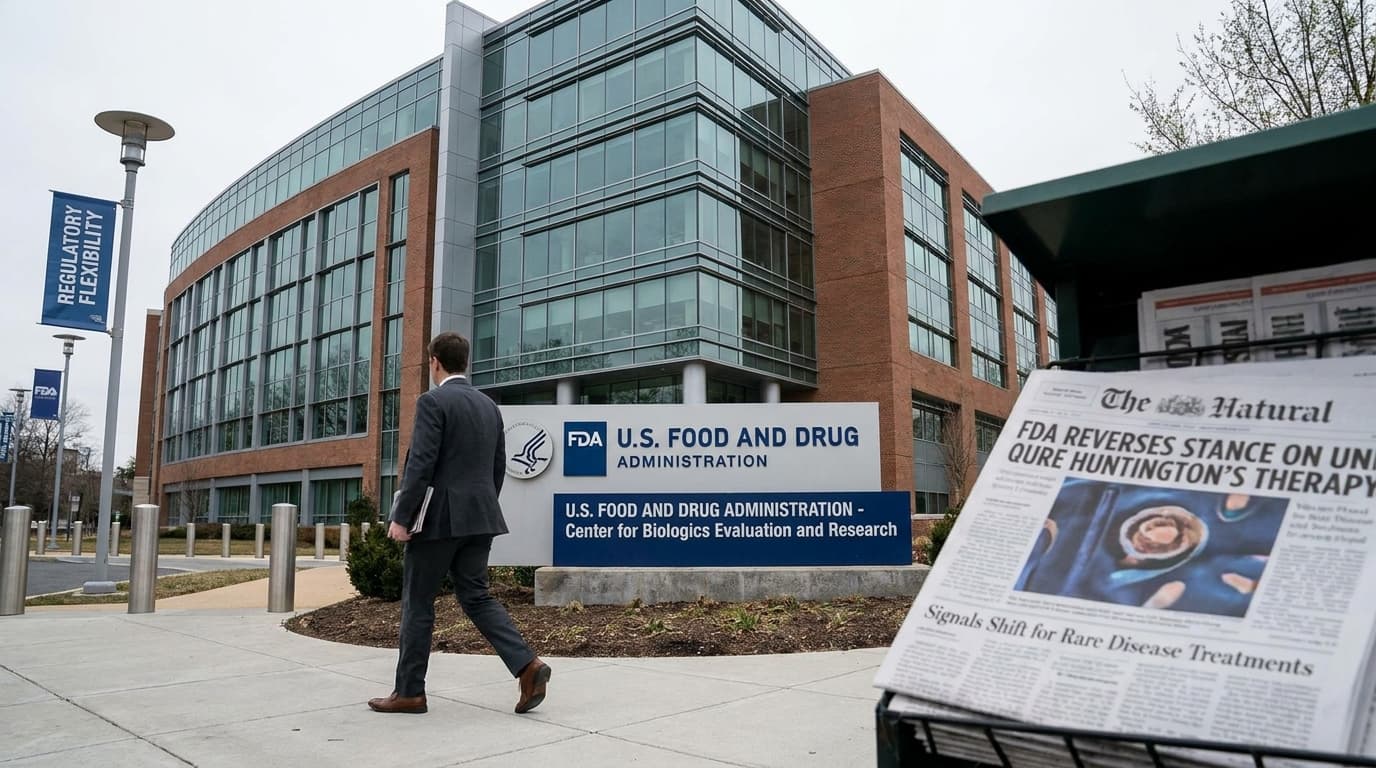 Jun 18, 2026
In a significant move for rare disease therapeutics, uniQure is now preparing to seek accelerated FDA approval for its Huntington’s disease gene therapy after the regulator reversed its prior demand for additional clinical trials. This decision is the latest indicator that the FDA may be reinstating a more flexible stance on approvals for innovative therapies, particularly those targeting conditions with few alternatives.
 Emily Carter
 Jun 18, 2026
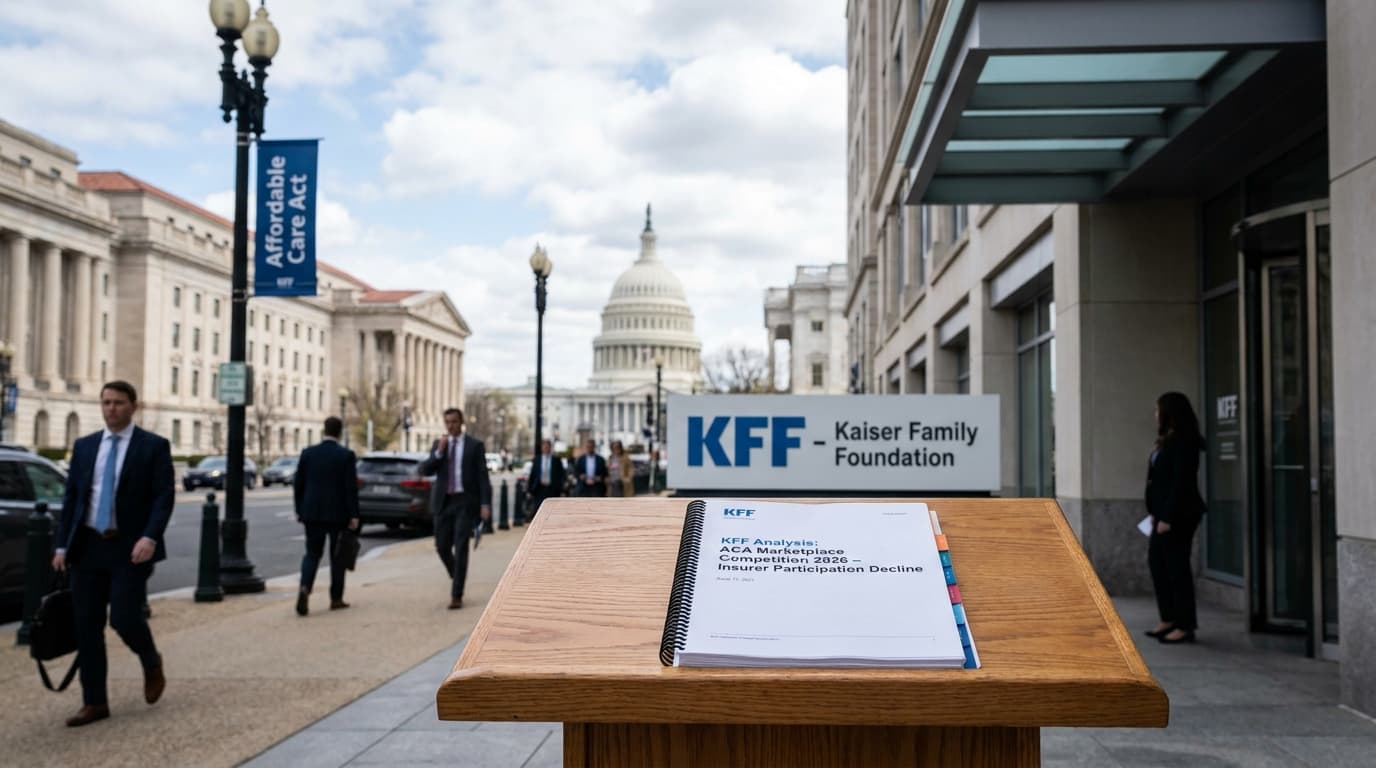
The latest findings from KFF document a shift in the composition of the Affordable Care Act's Marketplaces: the average number of insurers offering plans fell from 9.6 per state in 2025 to 9 in 2026. This decline raises questions about competition, access, and the future stability of ACA exchanges—issues that will continue to influence healthcare coverage in the United States.
 Michael Torres
 Jun 17, 2026
A landmark study finds diversity-focused NIH programs dramatically increased students' Ph.D. attainment, yet they were discontinued despite proven success. This decision’s implications reverberate across U.S. biomedical training, spotlighting critical debates on equity, effectiveness, and long-term scientific impact.
 Sophia Reynolds
 Jun 17, 2026
A high-stakes lawsuit from the Federal Trade Commission and four state attorneys general targets a prominent transgender health professional body’s care standards. The legal maneuver signals profound questions about regulatory boundaries and medical best practices in the era of politicized healthcare.
 Dr. Alex Morgan
 Jun 16, 2026
The U.S. Food and Drug Administration’s newly released guidance on Bayesian methods signals a pivotal change in how clinical trials for cancers and rare diseases may be conducted. This shift could foster more efficient research, lower development costs, and drive faster medical innovation across the biopharmaceutical sector.
Dr. Priya Nandakumar  Jun 16, 2026
Just weeks after Eli Lilly and Boehringer Ingelheim retracted billions in planned German investments, the government is reportedly revisiting controversial changes in its drug pricing policy. The move reignites a debate over balancing affordability, access, and sustaining pharmaceutical innovation in a key European market.
Michael Torres 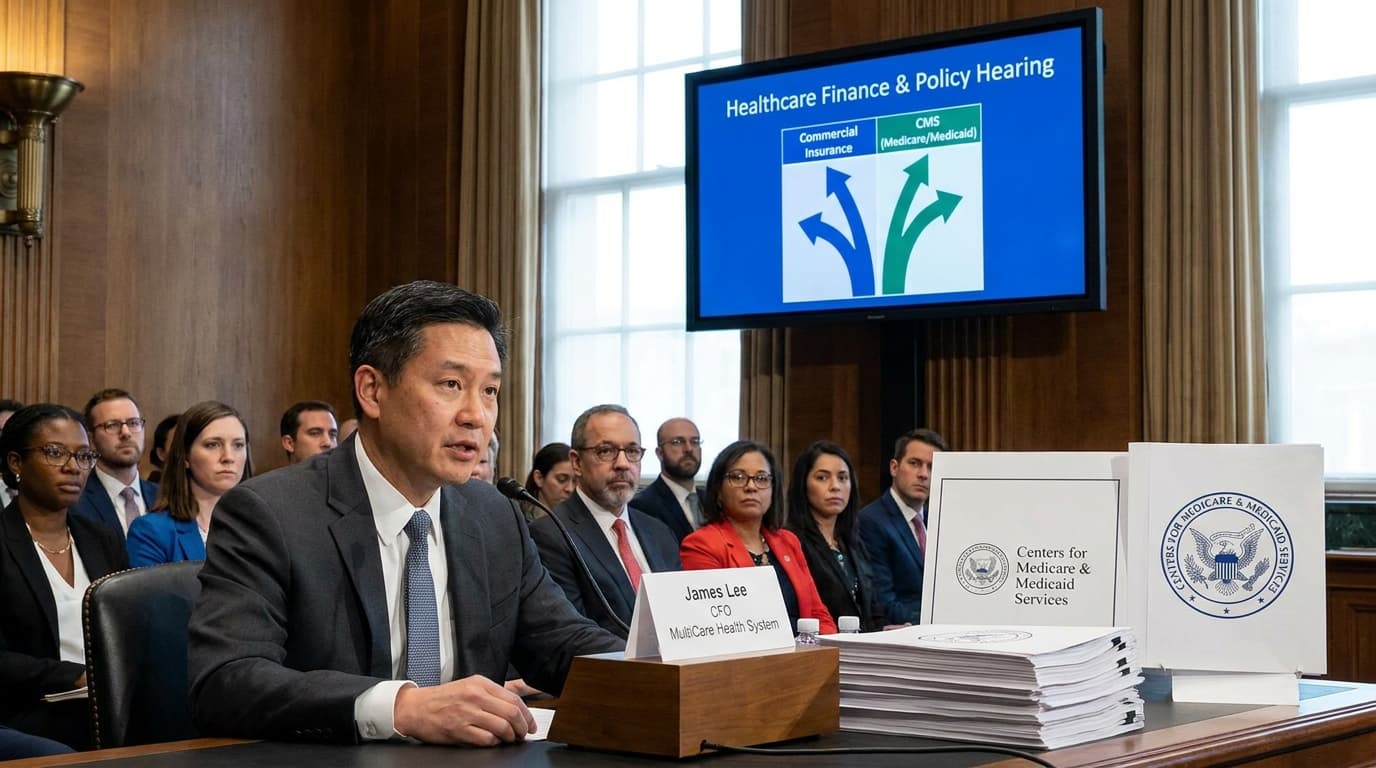 Jun 16, 2026
Citing longstanding federal reimbursement shortfalls, MultiCare CFO James Lee describes an emerging two-tier system in U.S. healthcare, one shaped increasingly by disparities between commercial and CMS-covered patients. This analysis explores the foundational causes, broader impacts, and the prospects for policy change.
Dr. Alex Morgan 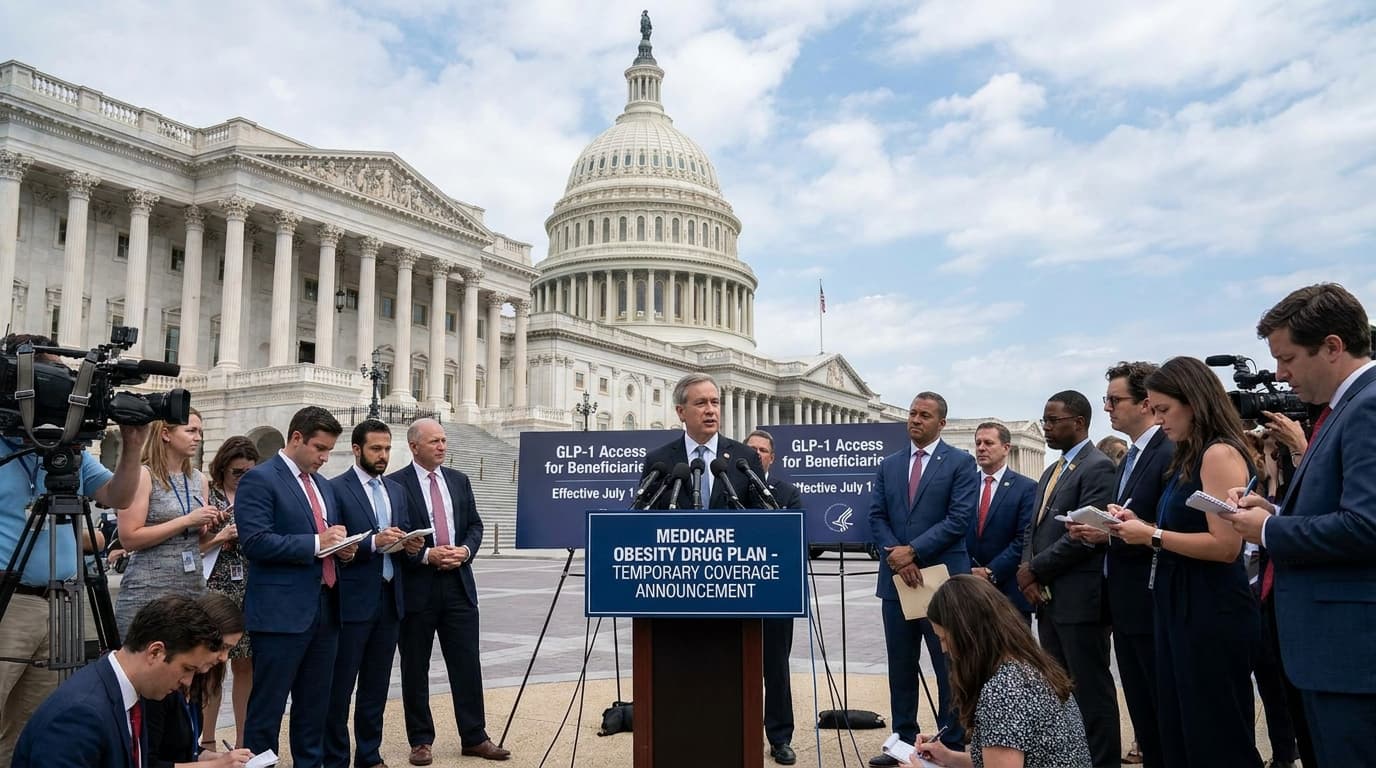 Jun 15, 2026
Beginning July 1, Medicare will temporarily provide GLP-1 obesity drugs for a $50 copay. While leaders call it a bridge program, the real-world implications suggest that winding it down may prove politically and practically difficult, reshaping national dialogue on obesity, drug costs, and entitlement reform.
Dr. Alex Morgan 