 Jul 13, 2026
As healthcare grows ever more data-driven, the focus of cybersecurity moves from patient privacy to the protection of scientific innovation. This article examines the new threats facing biotech R&D, the vital importance of intellectual property, and how the broadening risk landscape is reshaping organizational strategies across the medical sector.
 Dr. Priya Nandakumar
 Jul 7, 2026
While AI grabs headlines for clinical decision support, diagnostics, and patient-facing tools, healthcare’s massive and complex supply chain is an area ripe for data-driven improvement. Experts emphasize that automation, predictive analytics, and intelligent logistics could deliver major efficiency savings if AI is properly deployed—yet this potential remains barely explored compared to other applications.
 Sophia Reynolds
 Jul 7, 2026
Penn Medicine has announced the rollout of K Health’s AI-driven intake solution for its virtual primary care program, representing a growing trend in healthcare’s digital transformation. This move is designed to free clinicians from time-intensive data collection tasks, potentially improving efficiency, patient experience, and allowing providers to spend more time on direct patient care. Yet, this transition prompts scrutiny around safety, accuracy, and the redefinition of patient-clinician interactions.
 Emily Carter
 Jul 3, 2026
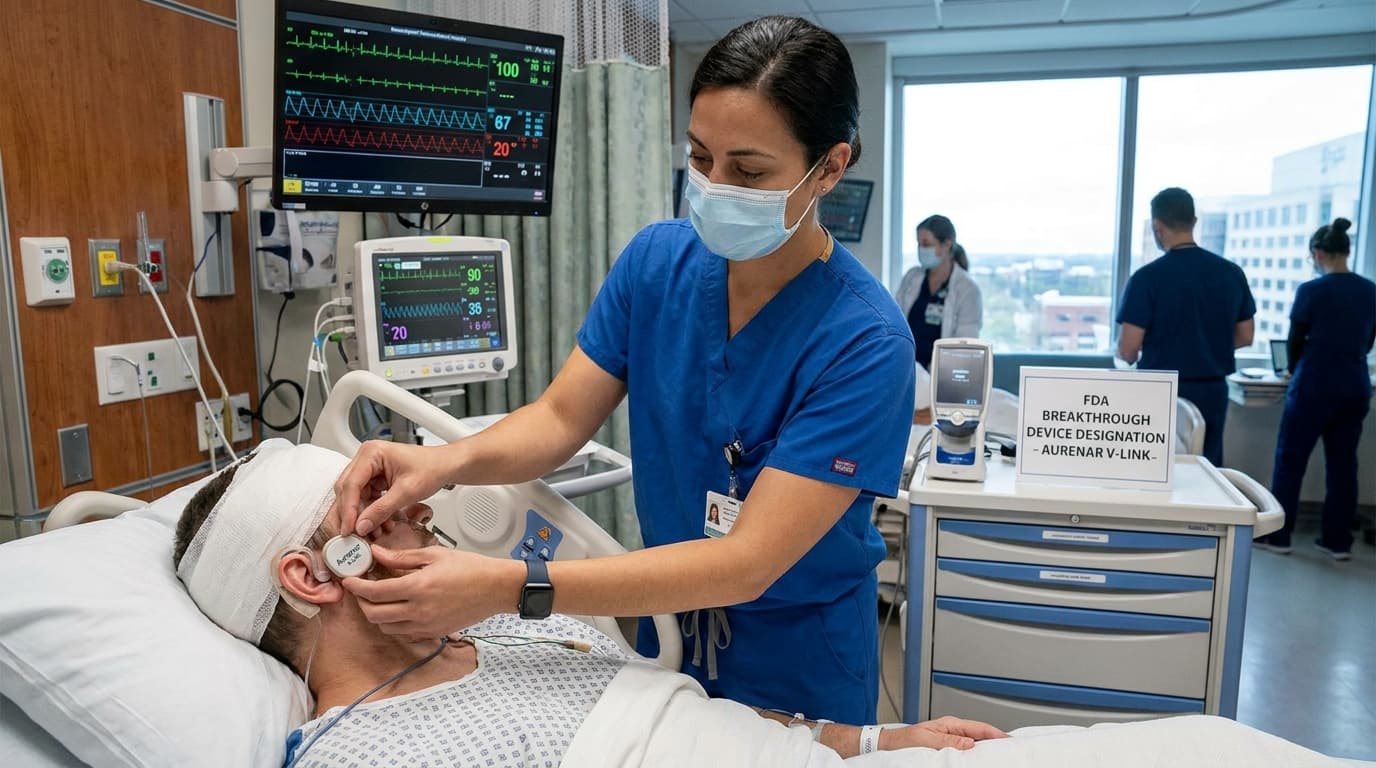
With the FDA awarding breakthrough device designation to Aurenar’s V-Link, a novel ear-based nerve stimulation device, clinicians and patients may soon see a transformative approach to addressing the risks of brain hemorrhage. Results from early trials show a remarkable reduction in cerebral vasospasm, a major complication after a brain bleed, igniting discussions over the future of non-invasive neuroprotection.
Emily Carter  Jul 3, 2026
As cyberwarfare tactics escalate globally, U.S. hospital networks are now recognized targets—often with limited capacity to withstand or recover from attacks. Experts warn that ideological, political, and financial motivations drive a complex threat landscape, with vulnerabilities spanning legacy systems, critical infrastructure, and institutional readiness.
 Daniel Cho
 Jul 2, 2026
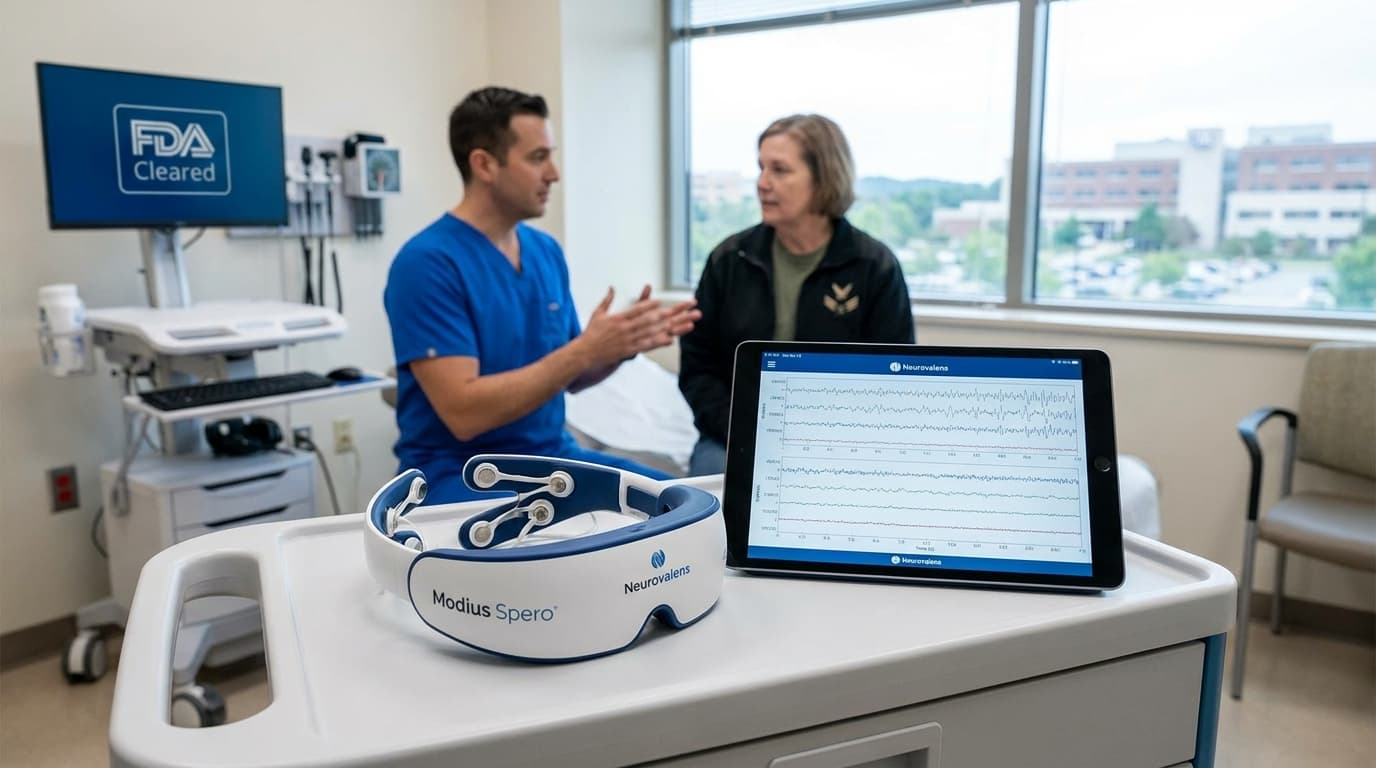
With its landmark approval, the Modius Spero becomes the first FDA-cleared neuromodulation device targeting post-traumatic stress disorder. As veterans prepare to gain access through the VA, this breakthrough signals a new era in device-mediated mental health care and raises important questions about accessibility, safety, integration, and the evolving landscape of treatment options.
Dr. Priya Nandakumar  Jun 29, 2026
Non-integrated AI tools are creating growing pains for radiologists, intensifying existing workflow challenges instead of solving them. This article unpacks the practical and systemic barriers as radiology moves toward AI-enabled diagnostics.
Sophia Reynolds  Jun 29, 2026
The digital health company Sword Health will roll out its AI-assisted virtual physical therapy across Portugal’s public health system. This unprecedented deal marks a significant step for digital therapeutics, AI healthcare platforms, and evidence-based remote care on a national level.
Sophia Reynolds  Jun 27, 2026
Healthcare data lakes were once seen as the future for storing vast volumes of information, promising analytic breakthroughs for research and patient care. Increasingly, stakeholders warn these lakes are turning into 'swamps,' hampered by unusable data, challenging navigation, and uncertainty on what value can really be extracted. We take an independent look at why these problems have emerged, how they impact care delivery and health system operations, and strategies being developed to turn swamps back to lakes.
 Dr. Alex Morgan
 Jun 26, 2026
With nurse burnout driving ongoing workforce shortages in rural hospitals, Reid Health aimed to reverse the trend by implementing Abridge’s advanced documentation technology directly in nursing workflows. Early results point to significant benefits for both care quality and staff retention, raising questions about broader adoption.
 Jonathan Blake
 Jun 25, 2026
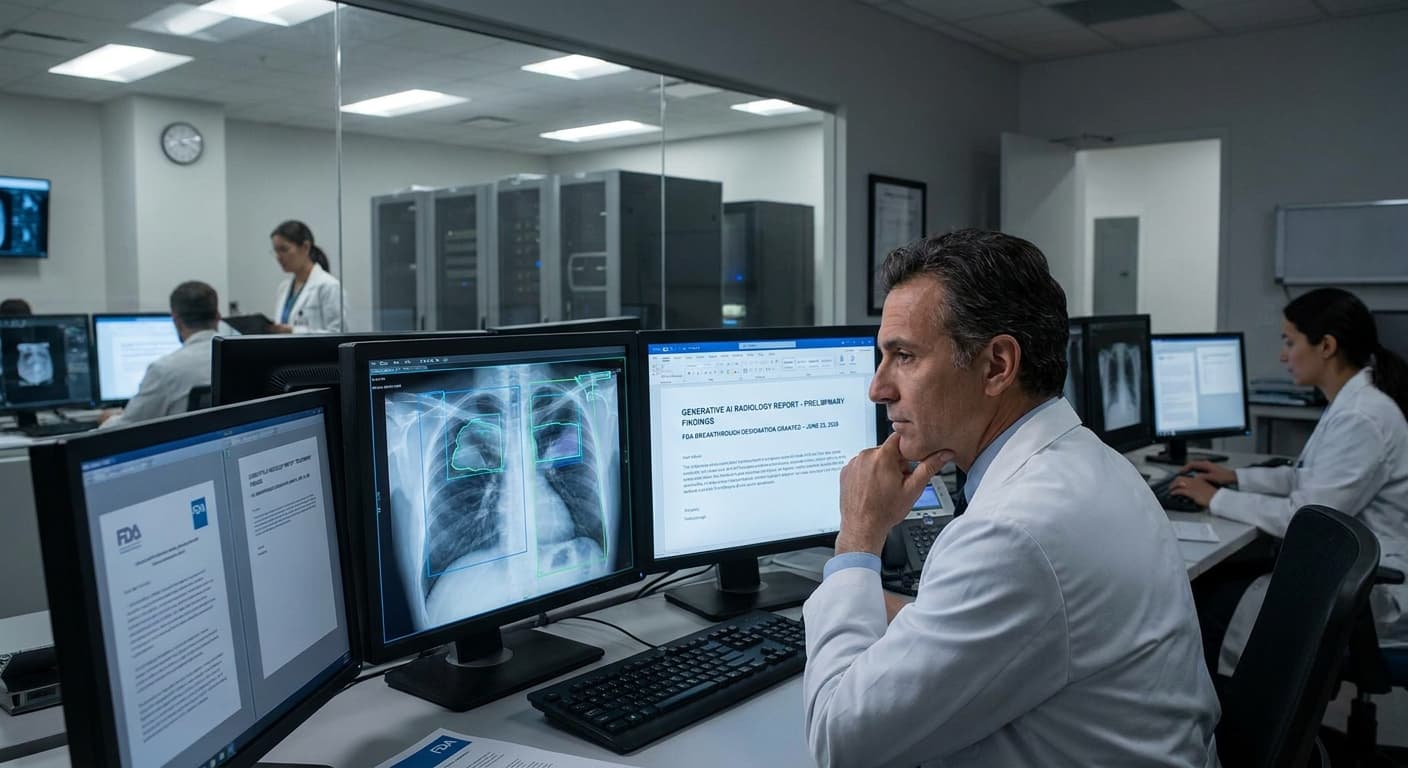
In a notable move for the medical imaging sector, the FDA recently granted breakthrough designation to two devices leveraging generative AI. These devices are designed to interpret chest X-rays and automate report generation, highlighting the growing importance and clinical acceptance of artificial intelligence in radiology workflows. This development has the potential to redefine both efficiency and accuracy in imaging departments across the United States.
Daniel Cho  Jun 25, 2026
With a model evocative of high-end concierge medicine, Xella Health positions itself as a connected healthcare solution dedicated to women’s unique health needs. Launching with a $499 yearly fee, the platform aims to democratize previously exclusive offerings by providing continuity, context, and holistic support for female patients.
Jonathan Blake 